

 Michael Spence (PhD)
Last November was an extraordinary month. Global leaders gathered for four major meetings: the Association of Southeast Asian Nations (ASEAN) meeting in Cambodia, the G20 summit in Indonesia, the Asia-Pacific Economic Cooperation (APEC) forum in Thailand, and the United Nations Climate Change Conference (COP27) in Egypt. What was striking wasn’t the timing of the meetings, but rather the evidence they produced that the tide might be turning away from confrontation toward renewed cooperation in the international arena.
 Eden Teshome
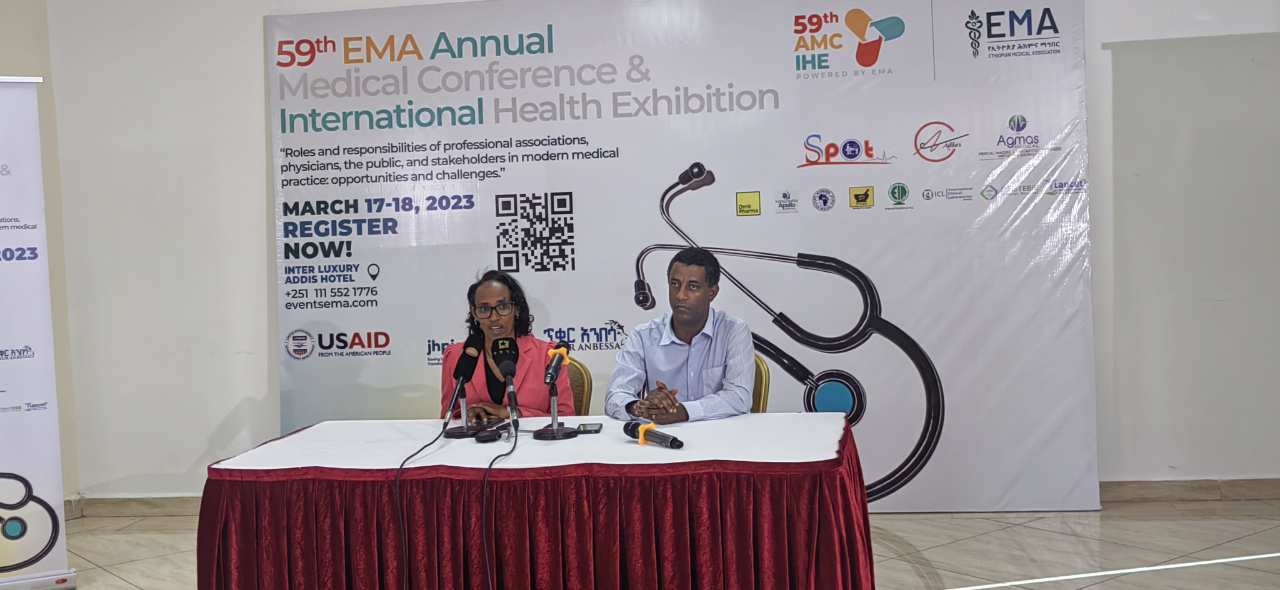
The Ethiopian Medical Association (EMA) is a membership organization representing medical doctors registered to practice in Ethiopia. The keystone initiative undertaken by the Ethiopian Medical Association, The Annual Medical Conference and International Health Exhibition, held for the 59th consecutive year this year, will be held as a closed live/virtual hybrid event with the theme “Roles and responsibilities of professional associations, physicians, the public, and stakeholders in modern medical practice: opportunities and challenges” from March 17—18, 2023.
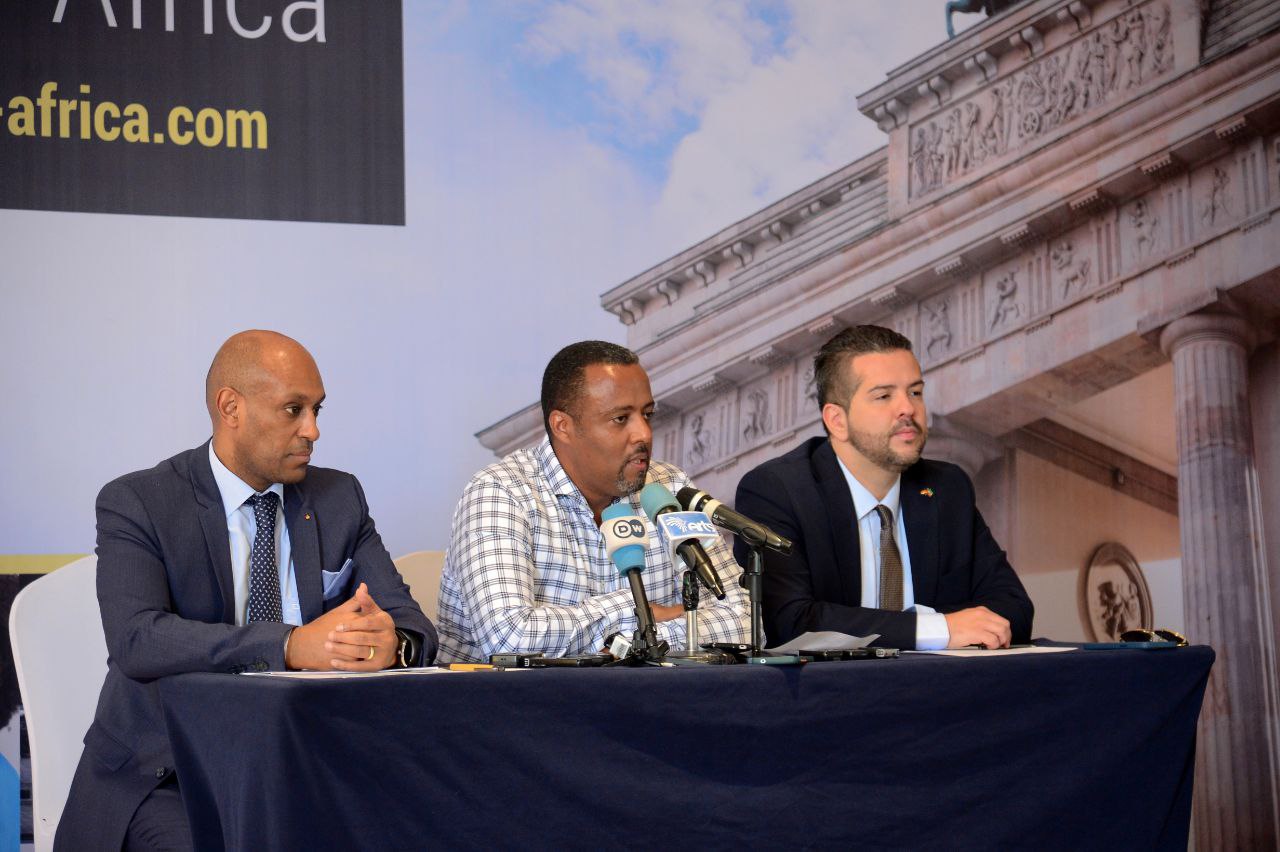
Trade and Fairs Group and the German Embassy brings the Made in Germany- Africa trade fair that is set to open its doors from March 2nd to 4th, 2023 in Addis Ababa, Ethiopia.
The trade fair will provide a platform for key African industries to enhance multilateral trade relationships. Over 2,500 Germans as well as African professionals, investors, diplomats, government personnel are expected to attend, providing a unique opportunity to discuss and refresh these major relationships. “Famous products and services specially prepared for the African market will be offered at the trade fair.” Iskandar Negasi, CEO of the organization.

Organized by Prana Events, Ethio Health Exhibition and Congress, the premier largest and comprehensive healthcare, medical, and pharma technology, inputs, and solutions international trade fair is being held for the 7th time from 23 – 25 February 2023 at the Ethiopian Skylight Hotel, Addis Ababa.
 Ethiopian Business Review
According to reports, grains, of which wheat is a significant component, are the most imported agricultural product in Africa. Meanwhile, due to excellent agro-climatic conditions, nations in East Africa including Ethiopia, Kenya, and Zambia have the potential to produce wheat locally.
The majority of African nations imported their wheat from Russia and Ukraine. For instance, the majority of the wheat imported by Egypt, the top buyer of wheat in both Africa and the globe, comes from Russia (60 Pct) and Ukraine (22 Pct).
Since the start of the war between the Government of Ethiopia (GoE) and the Tigray People’s Liberation Front (TPLF) in November 2020, the relationship between the USA and Ethiopia has strained. Ever since, Washington has been throwing every punch at its disposal at Abiy Ahmed’s administration.
Following the tensions, public figures and government officials have repeatedly downplayed the importance of maintaining good ties with Washington. Public protests demeaning the US and its actions quickly became common, organized by city and state administrations. It was an exercise in futility considering the irreplaceable role the US plays as Ethiopia’s single largest humanitarian donor and development partner.
 Addisu Deresse
In the 120 years of diplomatic relations between Washington and Addis Ababa, it has not been just love that solely dominated the relation between the two. The Ethio-Somali War and the 17 years of the Dergue Regime set records for all time low in their diplomatic history.
With the demise of the Dergue regime in Ethiopia in 1991, the US had become a key development partner of Ethiopia providing billions of dollars each year in the form of humanitarian and development assistance. Ethiopia was also a key ally of the US in the fight against terrorism in the Horn of Africa. However, following the outbreak of a war between the new Government of Ethiopia (GoE) and the Tigray People’s Liberation Front (TPLF) in November 2020, relations between the two got strained after more than 27 years of heyday. Words of war at State Department press conferences, loggerheads over the repetitive agenda at the UN Security Council, a signed executive order for sanctions, withdrawals of promised loans and development assistances, and the banning of Ethiopia from the Africa Growth Opportunity Act (AGOA)— all show how the their relations has gone through tough twists and turns in the last two years.
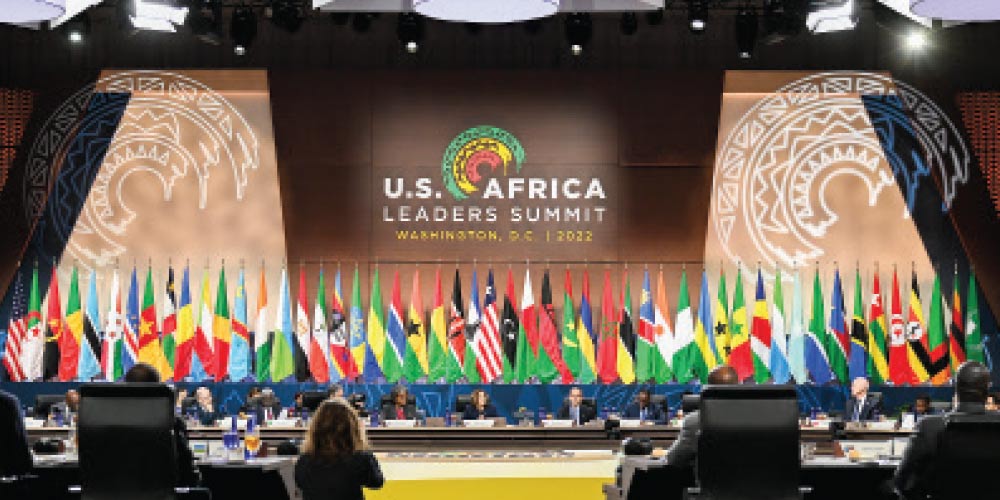
However, as the central government concluded a peace deal with the TPLF fighters last month in Pretoria, the Ethiopian government has found favorable response in its quest for the restoration of the friendship with the US. The just concluded US-Africa Leaders Summit was an opportune moment to catch. The visit of Prime Minister Abiy Ahmed to Washington to attend the Summit on December 13–15, 2022, was in that case a fruitful mission in easing of tensions between the two longtime friends. It was very instrumental in soliciting profound support for Ethiopia’s dollar-starved economy. In this article, EBR’s Addisu Deresse analyzes their relationship and the element of an ever rising China.

 Lidya Tesfaye
The most common type of armed conflict worldwide at the moment is intra-state warfare – the kind that has been rocking Ethiopia for years. The violent clashes are a terror for innocent civilians, a threat to public infrastructure and private business, and a disaster for the economy. The stench of conflict lingers long after the final bullets are fired, repelling the possibility of rebuilding through investment. Still, it is possible to encourage capital to flow into war-torn places with the right mix of government support, the restitution of the rule of law, as well as collaboration with civil societies and local organizations. In Ethiopia, too often, instability is accompanied by finger-pointing at the private sector, accusing it of collaborating with perpetrators or insufficient support for the administration. In times of conflict, private businesses are expected to raise funds for pro-government forces and not much else. It is high time to recognize the potential the private sector has in building and maintaining peace. EBR’s Lidya Tesfaye showcases an initiative that is attempting to do just that.

Kebour Ghenna served as President of the Addis Ababa Chamber of Commerce for four years beginning 1997; and as President of the Ethiopian Chamber of Commerce. He also founded and still serves as the Executive Director of Initiative Africa (IA), a non-governmental organization known in recent years for organizing the Addis International Film Festival, Ethiopia’s annual week-long event showcasing documentary films from around the world.
Kebour is also the Executive Director of the Pan-African Chamber of Commerce and Industry. He ran as a candidate for a prominent political party during the sixth national elections last year but withdrew from active membership soon after. Kebour is never hesitant to participate and partake in issues that he thinks matter and have the potential to bring about a change in Ethiopia. He has had a front-row seat to the developments and challenges of the private sector for over two decades and regularly reflects on the sector and overall development endeavors in the country on social and mainstream media platforms.
Now, as Ethiopia is eagerly searching for peace, he has once again taken a stance through Initiative Africa. He believes that peace is not an issue the government can tackle alone, and calls upon the business community to take part. Kebour speaks to EBR’s Lydia Tesfaye on his latest initiative, and the role private sector can play in securing a lasting peace.

 Bamlak Fekadu
Ethiopia’s economic growth over the last two-plus decades has been lauded as exemplary by many, including the World Bank and IMF. Nonetheless, development in terms of food self-sufficiency, unemployment reduction, and self-sustaining industrial growth have remained distant goals. The reality of the economy’s most important sector – agriculture – highlights the lack of meaning in encouraging annual economic reports or praise for unprecedented economic growth. Although there has been improvement, agricultural output remains low and the country still imports a large portion of the grains it consumes. Skyrocketing inflation and growing import bills have pushed the administration to double down on initiatives aimed at better productivity. It is the right call, but it will be difficult to achieve the goals without addressing the core issues plaguing farmers – lack of access to finance, the unavailability of mechanization, surging prices for inputs, and an ever-decreasing average landholding size. EBR’s Bamlak Fekadu explores the realities facing the Ethiopian agricultural sector and what the future holds for smallholder farmers.
