livestock-goes-hungry.jpg

As PM Promises Chicken for Every Meal

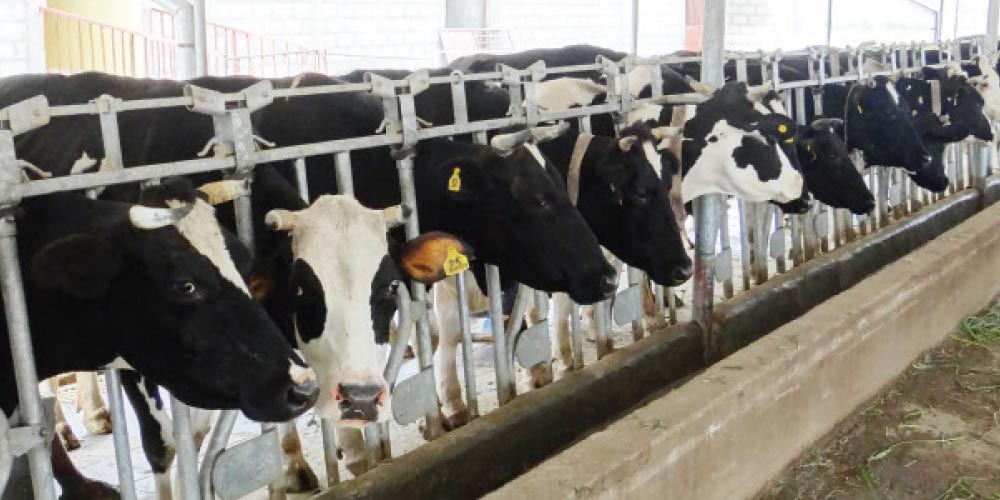
Ethiopia boasts the largest livestock population in Africa, and its cattle, goats, sheep, and camels are integral parts of the agricultural sector, national GDP, and export earnings. Although agriculture accounts for more than a quarter of GDP and an even higher proportion of income from exports, livestock’s share remains low as productivity and commercialization lag behind. This is despite decades of intervention by the government and international donor agencies to improve the sub-sector. As a new round of efforts led by the Prime Minister takes off, EBR’s Bamlak Fekadu takes a look at the challenges facing the livestock business.


Kids-Bullied-for-Birth-Defects.jpg

Cleft lip and/or palate (CLP) is the second most common congenital craniofacial defect worldwide, occurring in one in every 600 newborns. The rates are among the highest among countries with low and intermediate levels of income. However, many cleft repairs in these nations are still well behind schedule. Therefore, the psychosocial impacts of CLP are particularly likely to affect children with the condition. Due to social stigma, these children suffer additional obstacles to education, employment, and marriage. Children with CLP are particularly disadvantaged since CLP has negative impacts on social interaction and early learning. As a result, pursuing higher education and finding work as an adult becomes difficult.EBR’s Eden Teshome looks at how CLP affects children in Ethiopia.


sewasew.jpg

Ethiopia has long been home to musical artists with immeasurable social impact, from the traditional azmari who had the unique permission to critique members of the nobility with carefully crafted lyrics in times past to modern-day musicians who have fought against government censorship and oppression to keep the show going. Unfortunately, the artists have reaped less than what they deserve from their hard work due to the laxness around copyright laws and a lack of a proper system for distributing royalty payments. EBR’s Tirualem Asmare explores how the launch of a new music streaming platform has the potential for meaningful change.


One of the occurrences of the final decade of the 20th Century that has profoundly impacted the Ethiopian economy and politics is arguably Eritrea’s independence from the country in 1993. It made Ethiopia a landlocked country, forcing it to depend on the ports of its neighbors to import and export goods, to say the least. Ethiopia currently relies on ports in  Djibouti for 95 Pct of its international trade, while the Ports of Sudan and Berbera (mostly for aid) and Ethiopian Airlines (mostly for perishable goods, such as flowers) cover most of the remainder.


COP27, the 27th Session of the Conference of Parties to the United Nations Framework Convention on Climate Change (UNFCCC), started on November 6, 2022. The event, hosted by Egypt, marked the 105th anniversary of the Great October Revolution and took place 869 years after The Treaty at Wallingford.

This is not the first COP summit in Africa: COP7 and COP15 were held in Marrakesh, COP12 in Nairobi, and COP17 in Durban. UNFCCC is a very travel-happy organization, moving events from one continent to another almost every year.


Explicating Some Misconceptions

Agenda 2063 is Africa’s strategic framework for inclusive economic growth and structural transformation. The continent is planned in detail on how to achieve this vision over a period of 50 years from 2013 to 2063; goals are also set. This Agenda packed with seven aspirations and twenty goals, which are aligned with the United Nations’ sustainable development goals that combine the social, ecological, and economic sustainability pillars. For a number of reasons, agriculture and African development are intertwined. One of the Agenda 2063 goals commits “to increase modern agricultural production and productivity,” implying agricultural growth is decisive for Africa’s transformation. However, the low agricultural development in the continent is linked to inadequate investments on the sector to stimulate sustained growth. The structural adjustment measures adopted to cut public spending at the end of the 20th century led to a decline in state-led agricultural initiatives in Africa. Policymakers are correcting the mistakes in the past, “Africa will take full responsibility for financing its own development,” as one of the 20 goals noted. Accordingly, it is imperative to emphasize the need for development-oriented financial institutions that support initiatives that have crucial developmental impacts. This article is mainly to explicate misconceptions regarding the roles played by public development banks, in general, and to provide evidence-based performance indicators on the success of current strategic reform plan of the Development Bank of Ethiopia (DBE), a reform plan aimed to strengthen the provision of cutting-edge development banking services Ethiopia.

Ever since protests began in the State of Oromia back in 2013, Ethiopia has hardly been  able to breathe the air of peace. Then, the protests intensified following discontent among the youth claiming the expansion of Addis Ababa into the State of Oromia was  detrimental and unfair to farmers in the area. Later, the protests expanded as the youth in the State of Amhara joined the demonstrations.


The ten states with food crises in 2021 were the Democratic Republic of the Congo, Afghanistan, Ethiopia, Yemen, northern Nigeria, the Syrian Arab Republic, the Sudan, South Sudan, Pakistan, and Haiti. Nearly 70 Pct of the world’s population is thought to be in crisis or worse or an equivalent situation. Acute food insecurity was the main cause of conflict or insecurity in seven of these countries.


africas-gem-giant-ethiopia-1280x640.jpg

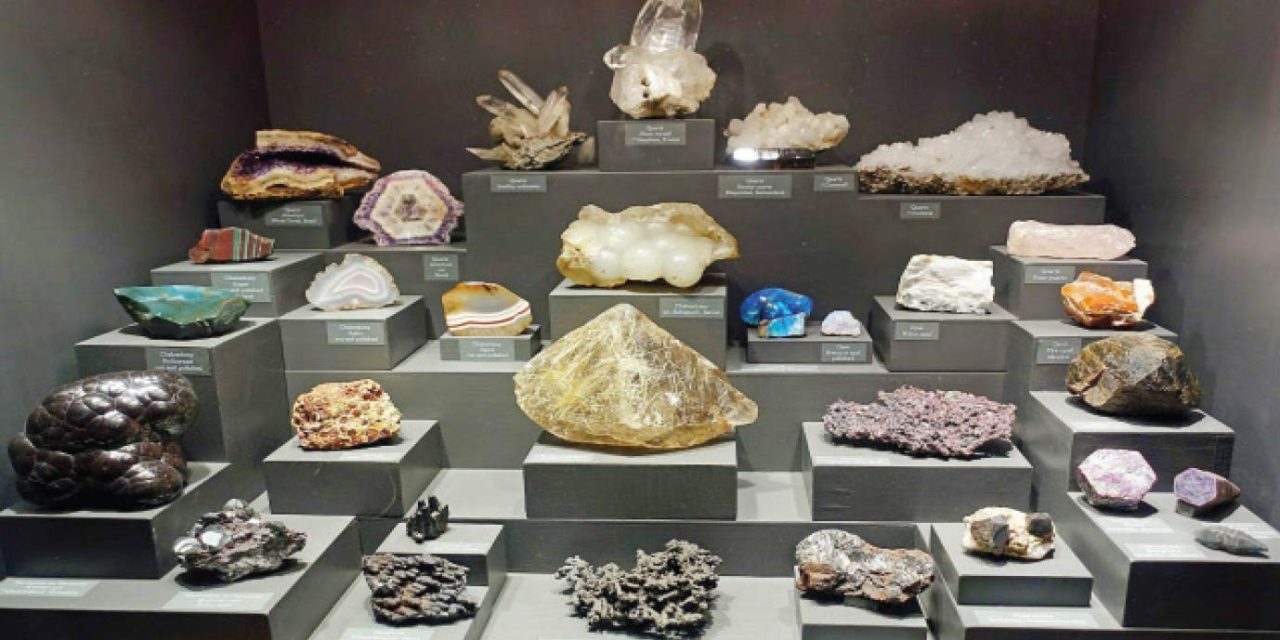
The bars of gold, the diamonds, the gemstones, and the oil were stories Ethiopians have lived with about the riches of their country under the earth. Not materialized enough to change lives, those stories have remained a myth. Even though various administrations admitted the economic value of gemstones and mining in general, the lack of proper policy and legal frameworks, skilled labour, private investment, and market promotion at local and global scale have challenged the robust growth of the sector. This seems to be the thing of the past as the current administration of Abiy Ahmed (PhD) has put the sector at the heart of its ten-year perspective plan. With an overhauled institution under the leadership of Takele Uma (Engi.), the Ministry of Mines is set to enable the country make the most out of its mineral resources. Even though there are still high hopes for gemstones with positive global market prospects, production is still challenged by conflicts, parallel markets, and artificial products, among many other challenges, writes EBR’s Bamlak Fekadu.


Ethiopian Business Review | EBR is a first-class and high-quality monthly business magazine offering enlightenment to readers and a platform for partners.


2Q69+2MM, Jomo Kenyatta St, Addis Ababa

Tsehay Messay Building

Contact Us

+251 961 41 41 41