SAM_7056-1280x852.jpg

 A Thriving Scene for Music Enthusiasts, Night Owls Alike

Addis has a vibrant scene of culture in recent years; Jazz Nights have become a popular trend among the youth in the city, offering a unique experience for music lovers and night owls alike. With live jazz music performances in bars and clubs across the city, Addis Ababa offers a unique experience; from the famous Jazzamba Lounge to the Fendika Cultural Center, locals and tourists alike can enjoy the electric atmosphere and the sound of trumpets, saxophones, and drums filling the air. In this article, EBR’s Bamlak Fikadu discusses the growing popularity of live jazz music in Addis Ababa.             


How_Insurance_Works_How_MicroInsurance_Helps_maxwell_investments_group_maxwell_ampong_mig_-1280x535.jpg

Globally, the insurance industry is a critical component of the financial services sector, providing risk management and protection to individuals and businesses, funding capital-intensive infrastructure projects and long-term shareholders of listed firms, to name but a few of the activities they are involved in. Long-term contracts and a wide range of products characterise the industry, including life, health, property, and liability insurance. It is highly regulated, with specific rules and requirements for insurers to operate and manage risk. Like all other industries, the global insurance industry is undergoing significant transformation, driven by digitisation, and this represents, for Ethiopia, a window of opportunity to radically re-design its insurance industry, further driving the changes experienced in the banking sector.


photo_2023-09-15_16-13-13.jpg

Kacha Digital Financial Service, the pioneering private payment instrument issuer in Ethiopia, has emerged as the winner of the highly anticipated Ethiopian edition of the esteemed Visa Everywhere Initiative (VEI) for 2023. This global innovation program and competition for start-ups and fintech companies have recognized Kacha as the frontrunner, catapulting them into the spotlight of the financial technology landscape.

Kacha has been awarded a monetary prize of USD 25,000, underscoring its innovative approach to transforming the financial sector in Ethiopia. This substantial reward not only acknowledges their remarkable achievements but also provides a significant boost to their continued growth and development.

With several contenders vying for the top spot, Qena, a formidable participant, secured an impressive second place, earning a well-deserved prize of USD 15,000. Meanwhile, Smile Pay, a noteworthy contender in its own right, clinched third place and received a commendable USD 10,000.

The Visa Everywhere Initiative serves as a global platform that celebrates and encourages groundbreaking ideas and innovative solutions within the fintech realm.

The success of Kacha, along with the achievements of Qena and Smile Pay, highlights the vibrant and burgeoning fintech ecosystem in Ethiopia.

As Ethiopia embraces the digital revolution in the financial sector, Kacha’s victory stands as a testament to the remarkable potential and transformative power of innovative start-ups and fintech companies. With their groundbreaking solutions and unwavering determination, these trailblazers are reshaping the way we perceive and interact with money, propelling Ethiopia into a new era of financial innovation and inclusion.


Bole-Lemi-1-e1694778633615-1280x611.jpg

The Ebbing Drift in the Industrial Sector

Ethiopia has undergone an economic transformation in recent years, driven by a comprehensive homegrown economic reform agenda launched in 2019. The plan prioritizes the development of various industries, including agriculture, construction, manufacturing, resources and energy, tourism, and food processing, to drive economic growth and reduce dependency on imports. However, despite the government’s efforts to revitalize the industry sector, recent data shows a significant decline in its contribution to the country’s economy over the past five years. EBR’s Bamlak Fikadu dives deep into Ethiopia’s recent industrial performances. 


importexport-1280x720.jpg

Ethiopia’s Economy Takes a Hit

Ethiopia has experienced a decline in its export earnings, posing severe challenges to covering its import bills. Unrest and conflicts have resulted in supply chain disruptions, hindering production and export. Ethiopia heavily relies on agricultural products for export, including coffee, oilseeds, and textiles. Fluctuations in global commodity prices significantly contributed to the country’s declining export earnings. The overall macroeconomic situation, which resulted in an overvalued local currency, has made it challenging to offer Ethiopian commodities at competitive prices in the global market. Limited transportation options, inefficient customs procedures, and inadequate port facilities add to delays and increased costs, making Ethiopian exports less competitive. The government’s decision demanding commercial banks surrender 70Pct of export proceeds further exacerbated the problem. EBR’s Eden Teshome explores. 


Ethiopian Airlines remains the top aviation brand in Africa’s Top 10 most admired brands in 2023. The airline flies to 131 international passenger and cargo destinations, including 63 African cities. With this figure, the airline enjoys the status of flying to more destinations on the continent than any other airline in the world. Among the 14 African brands in the Top 100 globally acclaimed brands, South Africa and Nigeria hold the most significant proportion of the African countries of origin.


Ministry_of_Finance_Flag.png

Ethiopia’s Perplexing Fiscal Dilemma

 The Ethiopian government has approved a budget of ETB801 billion (USD15 billion) for the 2023-24 fiscal year, which began on July 8. The budget, equivalent to 7.1Pct of anticipated GDP for the year, prioritizes pro-poor sectors such as infrastructure development, education and health but reduces capital expenditure and freezes public sector new recruitment. The Government is seeking USD12 billion in funding based on its 2023-2027 macroeconomic and fiscal frameworks. Critics have raised concerns about debt servicing’s impact on priority spending and the potential hindrance to infrastructure development and job creation from reduced capital expenditure EBR’s Bamlak Fekadu highlights the forecast for the new fiscal year, the budget deficit, inflation, import growth, the allocation of funds for different sectors and regions, and also look into the impact of Direct Advances on the economy.


Dashen-Bank-FMO-BII.jpg

British International Investment (BII) and FMO, the Dutch entrepreneurial development bank, have jointly committed up to USD 20 million each to Dashen Bank of Ethiopia. The loan aims to support the country’s agricultural sector, which employs 80 Pct of the population, contributes 39 Pct to the GDP, and generates 90 Pct of its foreign currency from exports. The funding will enable Dashen Bank to provide USD-denominated loans, helping farmers increase productivity in areas such as harvesting, logistics, and processing while boosting export earnings. The financial support will also benefit other agricultural enterprises, including cut flower and coffee producers, promoting innovation, business growth, improved quality and safety standards, and value addition.

This collaboration marks the first foreign investment in Ethiopia’s financial services sector under the new intermediation directive for banks issued by the National Bank of Ethiopia in 2021. By providing long-term funding, BII and FMO aim to catalyze the market, build investor confidence, and mobilize more private capital. The partnership will also support Dashen Bank in enhancing governance, risk management, environmental and social practices, as well as gender equality standards.

Asfaw Alemu, CEO of Dashen Bank, expressed his satisfaction with achieving this milestone and highlighted the significance of the funding for supporting export-oriented agribusinesses in Ethiopia. 

Marnix Monsfort, Director of Financial Institutions at FMO, underlined the importance of attracting foreign direct investments and USD funding to create jobs and foster financial inclusion in rural communities.

This investment not only addresses the need for foreign exchange and capital in Ethiopia but also showcases international confidence in the country’s agricultural potential. It sets the stage for future investments, promoting sustainable financing practices and contributing to Ethiopia’s economic growth and development.


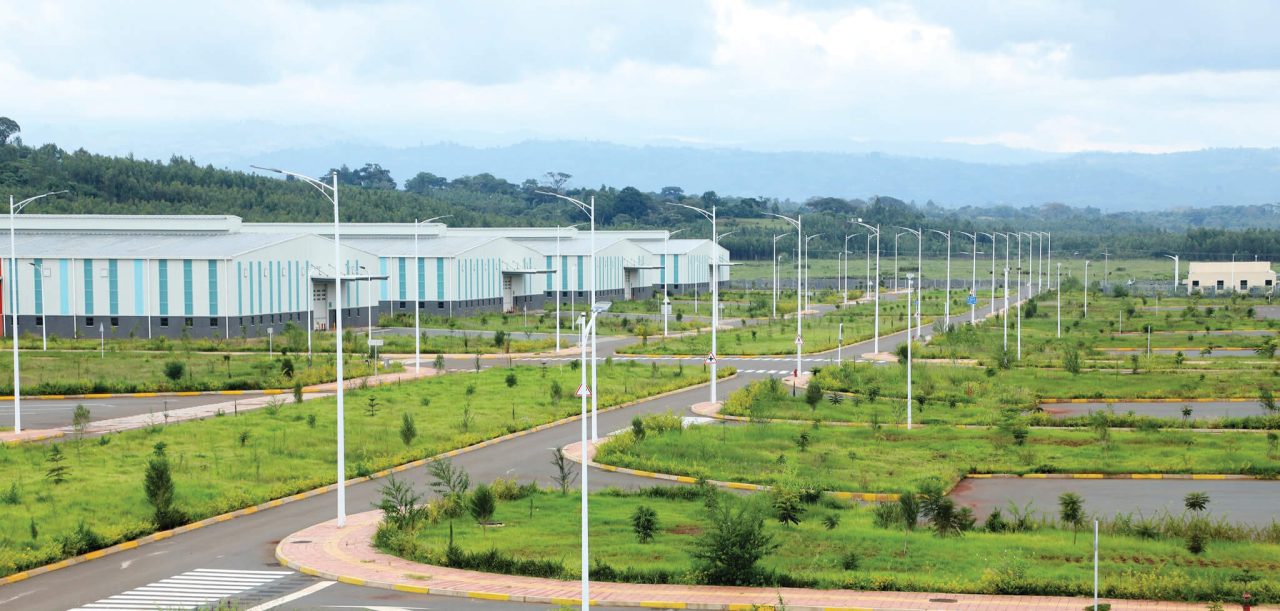
 In urban planning, few endeavours have sparked as much debate and criticism as the establishment of Sheger City, encircling the vibrant capital of Ethiopia, Addis Ababa. This audacious plan has come under fire from various quarters for many reasons, including its unprecedented nature in city planning, unjust implementation, and questionable long-term sustainability. As stakeholders question its viability, it is imperative to reassess the plan and explore alternative approaches prioritizing equity, inclusivity, and environmental responsibility.


Students-outside-school-scaled-e1692948466920-1280x807.jpg

Exorbitant School Fees in Addis

Private schools have sprung up across the country in recent decades, particularly in Addis Ababa, to meet the ever-increasing demand for quality education from parents who are willing and able to pay. Since their inception in the mid-1990s, these schools have made tremendous strides in terms of attracting a large student population and claiming to provide a higher-quality education. As a result, private schools have become an important alternative to the overcrowded and under-resourced public school system. Recently, their contribution has been severely questioned, as only a handful of them had their students join colleges and pass the national exam. Now, they are the centre of the conversation, mainly in the capital, for the unprecedented increase in their fees, writes EBR’s Bamlak Fekadu. 


Ethiopian Business Review | EBR is a first-class and high-quality monthly business magazine offering enlightenment to readers and a platform for partners.


2Q69+2MM, Jomo Kenyatta St, Addis Ababa

Tsehay Messay Building

Contact Us

+251 961 41 41 41