New-fendika-1280x821.jpg

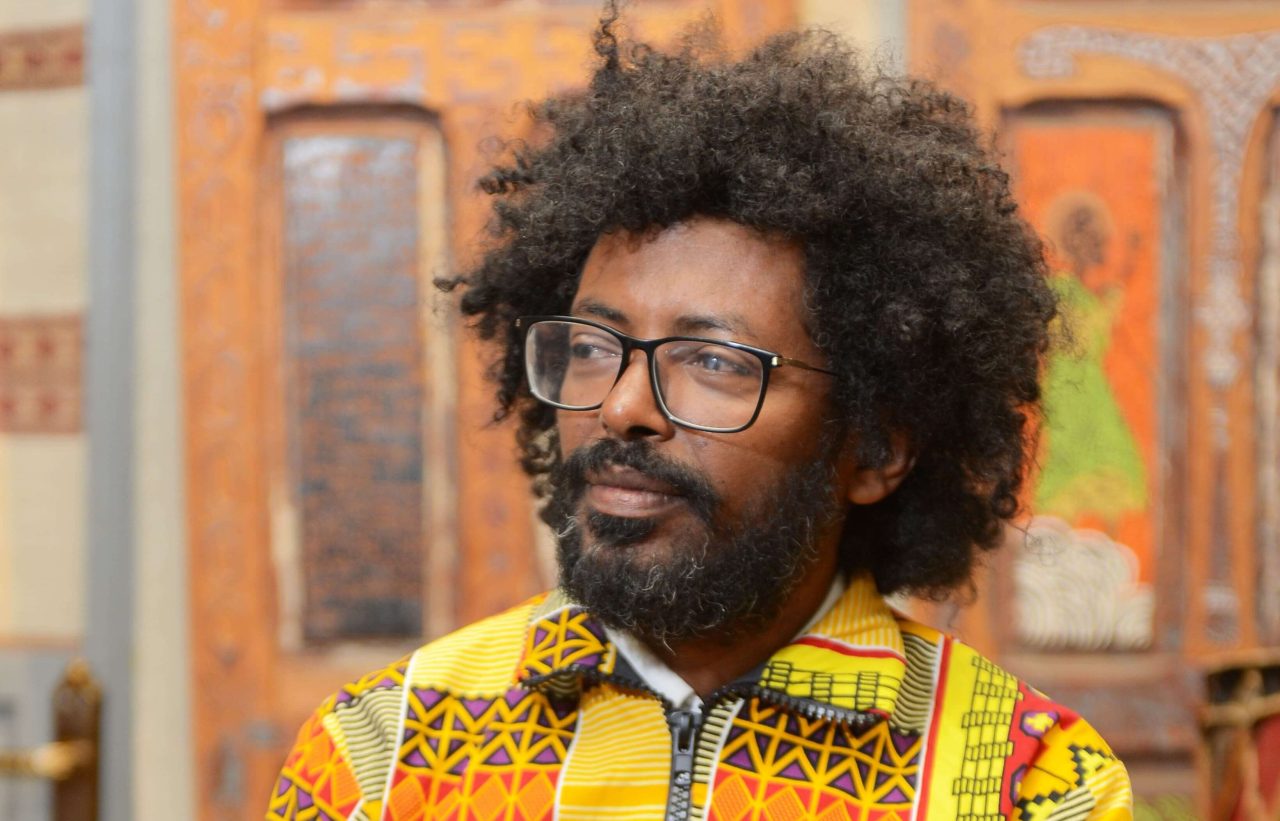
Melaku Belay, an Ethiopian dancer/choreographer, is the founding director of Fendika Cultural Center. At an early age, he immersed himself in the rich tapestry of regional dances and music. He honed his skills and developed a unique style of performance grounded in Ethiopia’s diverse dance traditions. With his mesmerizing mastery of Eskista, a traditional Ethiopian dance, Melaku has earned nicknames like the “walking earthquake” and the “King of Eskista.” 

In 2016, Melaku founded Fendika Cultural Center to create a premier cultural hub that celebrates artists from various disciplines and cultural backgrounds. Fendika has become a sanctuary for Ethiopian indigenous arts, particularly the Azmari music tradition. Melaku revolutionized the Azmari bet custom by being the first to pay Azmari musicians regular salaries, providing them with much-needed support. Melaku’s work at Fendika has brought global attention to Ethiopia’s indigenous arts. The centre has hosted Azmari performances, curated visual art exhibits, and facilitated monthly poetry readings and scholarly presentations. Melaku also leads two traditional performing groups, Fendika and Ethiocolor, showcasing the immense musical heritage of Ethiopia with creativity and innovation. Despite facing challenges, including the threat of government takeover and lack of support for indigenous art forms, Melaku remains dedicated to his vision. He tirelessly works to keep Fendika alive and thriving, believing in the power of arts to promote peace and healing. Eden Teshome sat down with the world-renowned Ethiopian dancer for an EBR exclusive. 


161712930_1314887628911856_8736474143031036890_n-1-e1697198919903-1280x733.jpg

Cutting through the Corruption Loopholes

Ethiopia has been grappling with foreign currency shortages for many decades. Despite this, the country’s import figures have been growing, reaching an all-time high in 2021/22 with USD 18 billion, up from USD 14.2 billion recorded in the previous year. Such a staggering increase in imports has further widened the trade deficit. This influx of import transactions involves numerous stakeholders. However, the cumbersome bureaucracies in the customs system, rampant corruption, and exorbitant duty levy have created immense frustration for importers and manufacturers. 

EBR’s Selome Getachew navigates the hurdles in the import processes and how custom procedures, which change now and then, frustrate importers. 


brics-logo.jpg

A Cost-Benefit Analysis

The recent announcement of Ethiopia’s accession to the BRICS alliance signifies a transformative milestone for the country and the broader African continent. As BRICS expands its ranks, its influence in the global economy also increases and offers more opportunities as an alternative source of development finance. This move is very beneficial to Ethiopia, which has been looking for alternative sources of finance. However, there are concerns that this move will bring as Western countries are wary of the growing influence of China and Russia, two of the major superpowers that are contending against America’s dominance of the current global order. EBR’s Eden Teshome highlights the potential benefits and implications of Ethiopia’s membership in BRICS.


A Population Growth Perspective

Ethiopia has experienced different defining moments that have allowed it to survive for thousands of years. One moment, for instance, was the war against colonialist Italy during the second half of the nineteenth century, culminating in the Battle of Adwa. Today, Ethiopia has to choose another defining moment to ensure the material well-being and unity of the people and the survival of its cultures: Embracing industrialisation-led structural transformation.


SAM_6979-1-1-1280x852.jpg

Thieves’ Escape Route from Justice

In addition to house break-ins and street robberies in broad daylight, thieves are increasingly employing sewers to elude the law and their victims. Due to this, it has been challenging for the authorities to find and prosecute them. Numerous variables, including poverty, the country’s inflated economy, unemployment, and drug addiction, might be blamed for the rise in theft cases. Residents are making extra efforts to secure their homes as they grow more anxious about their safety. In this article, EBR’s Hemen Asmare looks into the increase in theft and burglary in Ethiopia, its root causes, and the need for government and community action to address the issue.


Addis Ababa, the dynamic capital city of Ethiopia, is grappling with an unprecedented housing crisis due to rapid population growth and urbanisation. The allure of Addis Ababa as Ethiopia’s political, economic, social and diplomatic hub has attracted a significant influx of people seeking better livelihoods, safe environment and job prospects. This surge in population, along with other factors, has led to a severe housing, transport and unemployment crisis in the city. It’s even transpiring unheard-of crimes in the broad day, while its impact on providing essential services has grown tremendously.


Around the world, supply is struggling to keep up with demand. Inflation remains stubbornly high, despite aggressive interest-rate hikes. The global workforce is aging rapidly. Labor shortages are ubiquitous and persistent.

These are just some of the forces behind the productivity challenge facing the global economy. And it has become increasingly clear that we must harness artificial intelligence to address that challenge.


Mesirat, a partnership between the Mastercard Foundation, Gebeya Inc., and its Consortium Partners, announces the opening of applications for the Mesirat Entrepreneurship Program. The mission is to organize and transform Ethiopia’s gig economy with a focus on youth employment. The program aims to enable 1,000,000 young people to secure dignified and fulfilling work.  80% of these program participants will be young women, and an additional 10% will be disadvantaged youth. As part of this goal, the Mesirat Entrepreneurship Program is offering free resources and support to 100 select business owners looking to build their businesses quickly, at no cost.


93704701_L-1-1280x476.jpg

The Unintended Consequences of AI on Education

Artificial intelligence (AI) tools have rapidly transformed how we live and work. This is evident in both developed and developing countries. AI has become an integral part of our daily lives, from self-driving cars to virtual assistants. Even though Ethiopia has yet to reach that stage, more advanced countries are already experiencing such transformative changes. However, the impact of AI tools is only sometimes positive. The emergence of ChatGPT, an AI-powered language model developed by OpenAI, capable of generating human-like text based on context and past conversations, has raised concerns among academic experts and professionals in education due to the possible hazards of ethical issues in schools like cheating and motivating students to put out the least amount of effort. In this article, EBR’s Eden Teshome assesses AI’s advantages, drawbacks, and limitations in the education sector.  


Ethiopian Business Review | EBR is a first-class and high-quality monthly business magazine offering enlightenment to readers and a platform for partners.


2Q69+2MM, Jomo Kenyatta St, Addis Ababa

Tsehay Messay Building

Contact Us

+251 961 41 41 41