EBR100_1.jpg

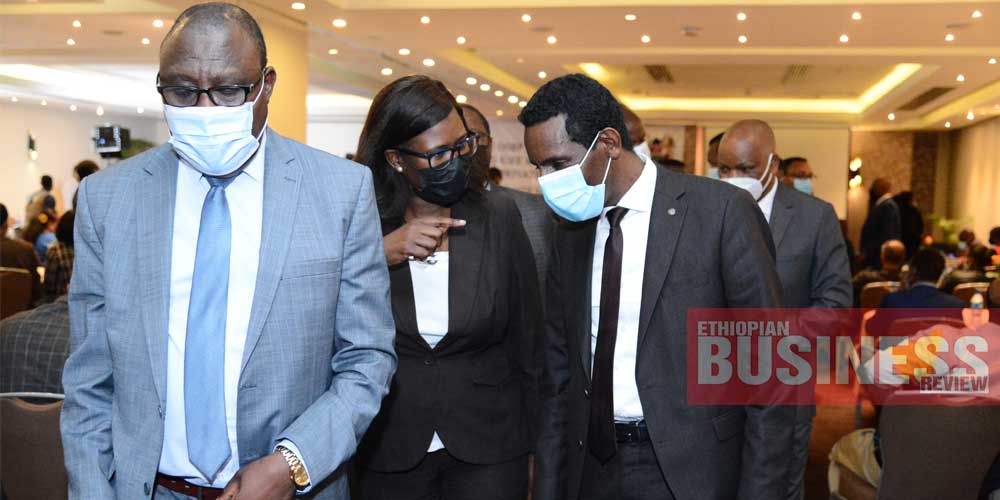
The 100th edition of Ethiopian Business Review (EBR) magazine was colorfully celebrated at Radisson Blu hotel yesterday, on 14th of September 2021. 

The event was attended by Yonathan Tesfaye, Deputy Director-General of the Ethiopian Media Authority, Amare Aregawi, Executive Chairman of the Ethiopian Media Council, senior government officials, partner organizations, and invited guests.


canale-4.jpg

Libya Oil Ethiopia is tapping into side businesses as profit margins from fuel supply and retail in Ethiopia stagnate. With fuel companies discouraged, “we are focusing on partnerships with local banks and international food chains. Our target is to offer full packages with one-stop services at our fuel stations, in addition to fuel,” said Chokri Dridi, General Manager of Libya Oil Ethiopia Limited, which has over 160 petroleum stations across Ethiopia.


safaricom-staff.jpg

Safaricom Telecommunications Ethiopia Plc, has commenced deploying network infrastructure, importing equipment, and recruiting staff in Addis Ababa, in a bid to launch its telecom services by the first half of 2022. The company will channel USD300 million for annual network infrastructure outlays, out of the USD8.5 billion it promised to invest in Ethiopia over the course of the next ten years.


National-bank-nbe-e1630856144130.jpg

The National Bank of Ethiopia (NBE) drew four cards with the aim of “controlling galloping inflation by minimizing currency supply into the economy.” Implementation of the new measurements has already put commercial banks and insurance companies in a hot spot and will begin September 11, 2021—the first day of the Ethiopian new year.


inedible-oil-industries-1280x720.jpg

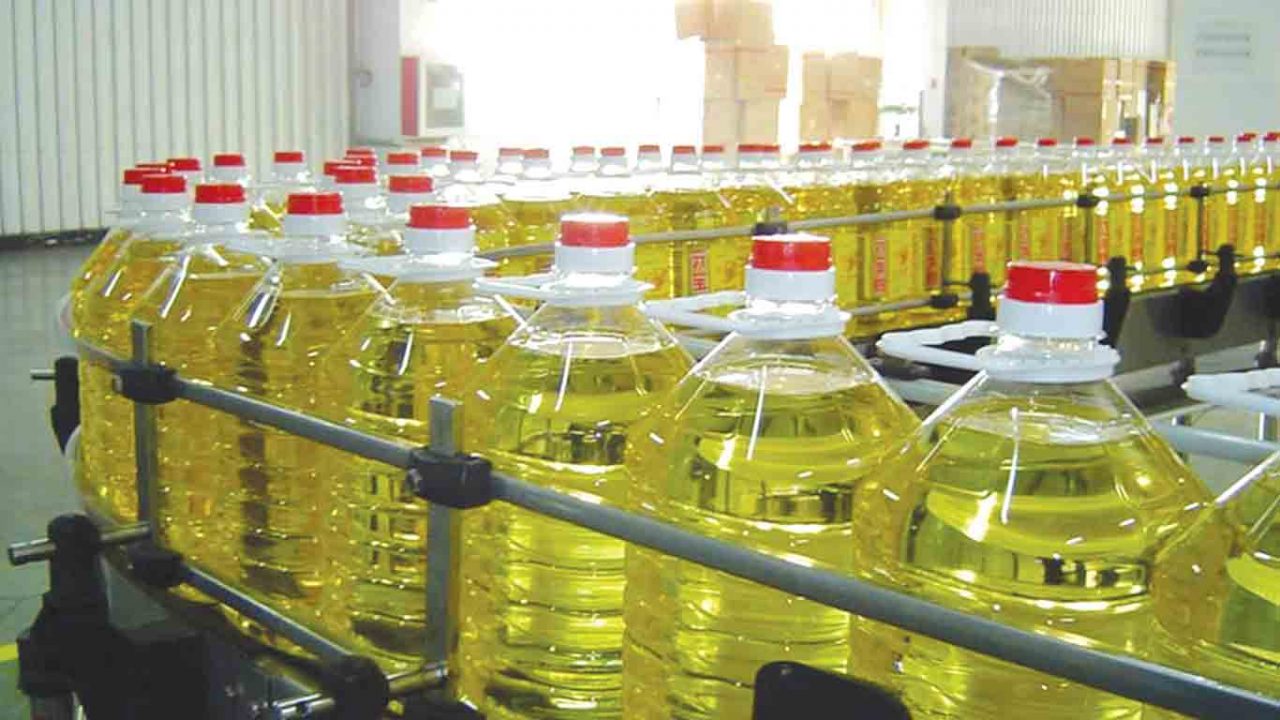
When the massive edible oil factories, Phibela and W.A., were inaugurated with state fanfare, many believed Ethiopia would no longer face cooking oil shortages, even to the extent that imports would be fully substituted with local production. Six months after the launching of the two giants, cooking oil has become a precious commodity in Addis Ababa with prices rising.
With over 2.7 million liters demanded every day, Ethiopian currently imports 1.3 million liters. Though the daily supply from medium- and large-scale factories in the country has dramatically increased from last year’s 228,800 to 992,876 liters currently, it is still far less than their installed capacities of 3.4 million liters.

Even with blossoming local production, there is in excess of 10.4 million liters in supply gap every month. Lack of power supply and raw materials is crippling even the big oil complexes, as most of the oilseed production is exported to fetch foreign currency for importers. EBR’s Mersha Tiruneh explores government’s misguided policy and the extra effort edible oil factories are undertaking towards farming their own supply of oilseeds.

empty-registrars.jpg

Although the number of higher education institutions and students has been meteorically rising, the last few years has seen families reluctant from sending their children to campuses outside their area of comfort. Some of those who dared do so waited anxiously for months for the return of their children stranded on campuses engulfed with ethnic politics and war. The minority that can afford private tertiary education are receiving substandard schooling mostly in business fields. Labor market proportions, university-industry linkages, and nation building endeavors are being upended.
Unlike Ethiopia’s political movement of the 1960s, which was spearheaded by politically organized university students, contemporary politics is operated by full-time politicians who recharacterize narrations to fit their alternative reality and use universities and students as pawns in their game. EBR’s Trualem Asmare explores the extent of empty registrars and whether the changing nature of politics and the election can change things and give hope to students.


The Need to Take Necessary Precautions to Avoid Regret. (Part II)

In the first part of this article, I illustrated some of the national economic and political hardship that can follow financial sector liberalization with empirical evidence from Argentina and Turkey. In this and final part, I shall present two success stories related to financial liberalization: Ghana and China. I will also suggest what Ethiopia should do to minimize the costs and maximize the benefits of its seemingly inevitable liberalization of finance.


solomon-goshu.jpg

Solomon Goshu, is Program Officer at International Media Support and Foyo, international media development institutions backed by Denmark and Sweden that provide media capacity building, research and development, coalition building, and management. The program in Ethiopia focuses on media reform, professionalism, and inclusion.
Solomon is also Coordinator of the national committee established three years ago to revise Ethiopian media laws after having been a journalist for ten years, including as a senior editor at The Reporter newspaper. He is a Lecturer at Addis Ababa University School of Law and has undertaken various research on Ethiopian media from a legal and journalistic perspective.


Jiro-the-Eyes-Behind-Athletics.jpg

The breadth to which the success of Ethiopian athletics reaches is truly a wonder. First acquainted with the nation on a journalistic assignment in the 1980s, Jiro Mochizuki has since been attached to Ethiopian track and field greats and the nation at large. Befriending the great Haile Gebreselassie along the way, the Japanese frequently visits Ethiopia and is one of the professional photographers capturing the Great Ethiopian Run. Though disappointed with Ethiopia’s performance in his home town, his inspirational book of Haile is a testament to the running legend and the warming relationship between Ethiopia and her admirer. EBR’s Abiy Wendifraw visited Jiro in Tokyo during the Olympics.


Ethiopian Business Review | EBR is a first-class and high-quality monthly business magazine offering enlightenment to readers and a platform for partners.


2Q69+2MM, Jomo Kenyatta St, Addis Ababa

Tsehay Messay Building

Contact Us

+251 961 41 41 41