areqe-1.jpg

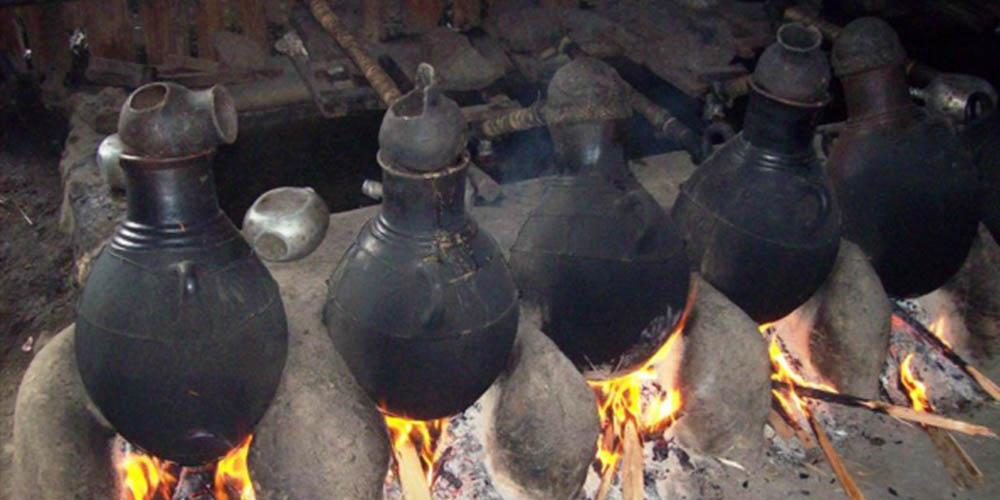
Eating meat and drinking arekie—one of the hardest local alcohols in Ethiopia—as a means of speeding up digestion, has been tradition for ages. In some parts of the country—like the highlands of Shoa—areqie is also used as a means of survival against the cold weather. Even though this local alcohol has been around for long, its growing consumption among young boys in urban settings that were supposed to be part of the workforce is a rather grim image. Apart from stealing their courage to fight the hardships of life, the new trend of increasing alcoholic beverage consumption in the capital is also causing early health challenges, writes Henok Engida.


net-1.jpg

Ethiopian artists have long presented their works for insufficient compensation. The same is true for artists worldwide, to varying degrees. The idea of non-fungible tokens (NFTs) is now offering alternatives for artists to generate the income they deserve by ensuring the intactness of their artworks’ copyrights. Even though NFTs are a very recent phenomenon, some Ethiopians are slowly introducing themselves to this parallel digital reality. As much as this new world of NFTs offers an immense opportunity, legal, structural, and ethical challenges still remain to be addressed, writes EBR’s Addisu Deresse.


As per the Prime Minister’s speech on the inauguration ceremony of the Head Quarter building of the Commercial Bank of Ethiopia (CBE), the government plans to open up its banking industry to foreign competition. As per his word, the banking industry has been protected for decades. But it will not continue to be so. Therefore, commercial banks need to be prepared to keep pace with the growth of our world and to compete with the banks of other countries as well.


Structural transformation requires long-term investment to expand productive capacities, as well as infrastructure development that underpins industrial activities and reduces systemic bottlenecks. Rapid transformative growth will also require a relevant and context-based development strategy.

Three decades ago, the Ethiopian government devised an agricultural-led industrial development strategy, with the aim to boost economic growth and to foster food security. Although many experts in the field have repeatedly criticized the move stating that it is difficult to realize a sustainable economic development through fragmented land, however, there is no doubt that in the current context of Ethiopia, agricultural policy is a viable option. This is mainly due to the fact that more than three-quarters of the population is living in rural areas and agriculture is a major source of livelihood, foreign exchange earnings are mainly dependent on agricultural product exports.


ola-energy-1280x366.jpg

OLA Energy Group unveiled a new brand for its pan-African network of retail outlets, channels, and petroleum products.

Formerly OiLibya Ethiopia Limited, both the local and pan-African company has now been renamed and rebranded to OLA Energy Ethiopia Limited and OLA Energy Group on February 7, 2022. The new branding is now taking foot in Ethiopia, originally with few service stations in Addis Ababa, followed by a phased rollout over the entire retail network across the country.

The company also introduced their Accel Auto Care Center at their Meskel Square service station, aiming to provide better quality services at their service stations across the country. Towards this, they have struck a collaborative deal with Gigar Trading and Technical Center, which will be operating the premium car maintenance center in the country.


When Sahle-work Zewde was appointed as President of the Federation, feminist groups and Ethiopians at large applauded Prime Minister Abiy Ahmed’s (PhD) pick for the post. He was further commended when he filled half of his cabinet with women alongside other key posts. As laudable as these decisions were, his time in the premiership is identified as one that has brought nightmare to women nationwide. His administration’s incapability to put conflicts nationwide under control has put women in particular in precarious positions—leaving them with added responsibility and burden in caring for their themselves and families—while denying them their human, social, and economic rights.


Kekron-Asfaw.jpg

Ethiopians have used their lifestyle itself to stay fit: they walk in abundance to and from schools and markets; they spend hours running up the hills and down to the rivers while attending to their livestock on the pastures. That lifestyle seems to be changing in recent decades and years. Now, urban settings are hosting modern gyms which house people exercising with the goal of being fit. These scenes in gyms also bring strong women of various backgrounds. From the fit looking to get fitter and the overweight looking to trim some fat, gyms entertain various individuals with divergent mental and physical stances. Abiy Wendifraw shares an uplifting story of one of these strong women whose life has been changed by just going to the gym.


leather-tanning-process-liberty.jpg

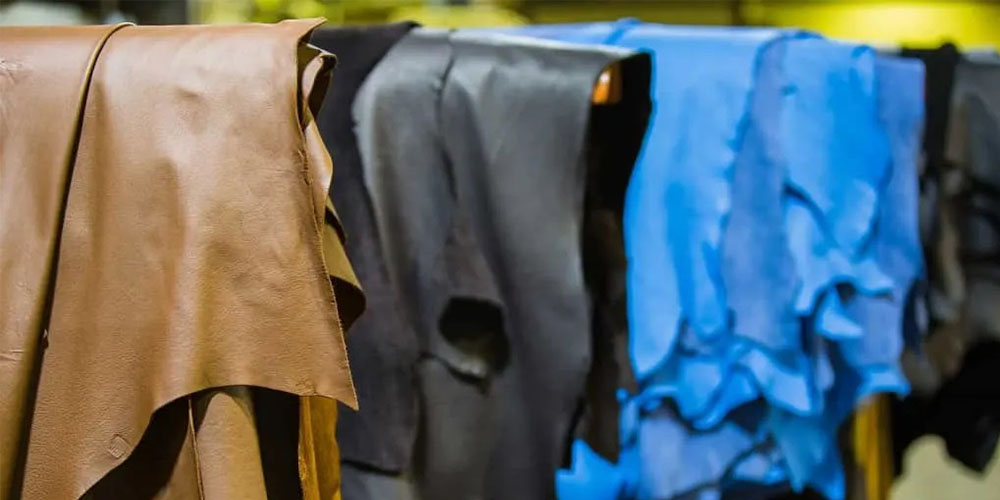
The apogee of Ethiopia’s livestock reserve is yet to translate into anything more than a disappointing cliché. The leather industry that feeds on the country’s livestock resources is being tied up with old challenges of poor bureaucracy, lack of finance, and market linkage issues. Adding salt to the wound, the Covid pandemic, instability, and recent removal of Ethiopia from the African Growth Opportunity Act (AGOA) are making the industry’s future look rather bleak. Recognizing the industry’s immense potential and resolving its challenges is an assignment for no tomorrow, write EBR’s Lidya Tesfaye and Bamlak Fekadu.


ebr-cocacola-2.jpg

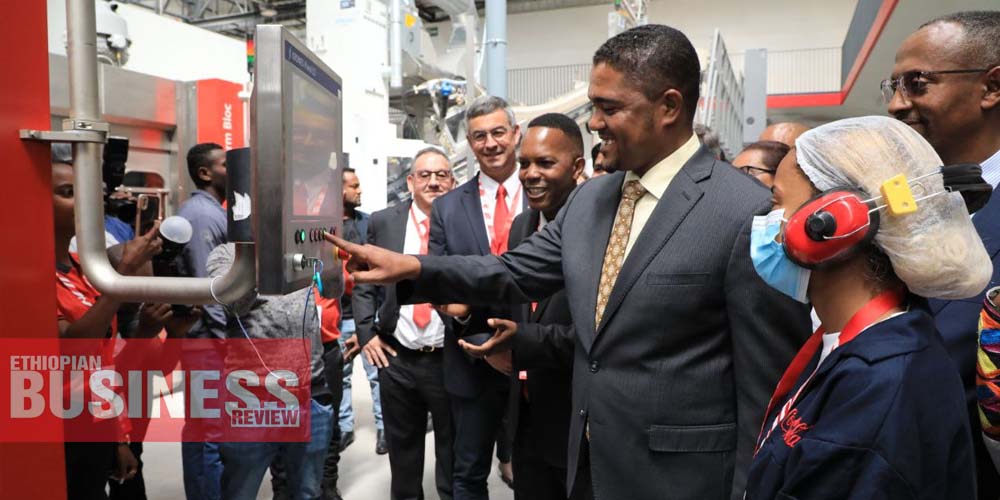
Coca-Cola Beverages Africa – Ethiopia inaugurated its new factory built at a cost of USD100 million which will provide jobs for 500 permanent employees and produce more than 100 million packages per year. In addition, the plant has the capacity to produce inputs including plastic bottles and caps.

Coca-Cola first opened its Ethiopian operations in the Abinet area of Addis Ababa in 1952 and the new plant in Sebeta of the State of Oromia commenced construction in 2019. The company has plans to expand with a Hawassa plant in the future.

The company now has over 3,500 permanent employees, while more than 70,000 are beneficiary through their value chain. With the opening of the new plant, the beverage giant will introduce Minute Maid drinks to the Ethiopian Market.

Photo Credit: Samuel Habtab


Ethiopian Business Review | EBR is a first-class and high-quality monthly business magazine offering enlightenment to readers and a platform for partners.


2Q69+2MM, Jomo Kenyatta St, Addis Ababa

Tsehay Messay Building

Contact Us

+251 961 41 41 41