United-Nations.jpg

The UN adopted the long-awaited Treaty on the Prohibition of Nuclear Weapons. Although the nuclear owners including USA, UK, Russia, china, and France have been silent, 122 countries have signed the final draft of the treaty, which bans outright the use, threat of use, development, production, testing and stockpiling of nuclear weapons under any means.


Still-Ambitious.jpg

When the government exclusively ratified and approved the two Growth and Transformation Plan (GTP) editions, independent experts critiqued it as highly ambitious and unrealistic. The administration took ten years to acknowledge the reality. Still, the Council of Ministers approved an even more ambitious Ten-Year Perspective Plan (TYPP) in early December 2020 in a bid to chart out an economic execution plan up to 2030. Strikingly, no independent experts were allowed to forward their viewpoints and solutions regarding major hurdles persisting in Ethiopia’s economy.
Export, structural transformation, and housing are some of the major new wines poured into old glasses. Most of the superfluous figures anticipated in the document, which target achieving quality growth and elevating Ethiopia to prosperity by 2030, are planned to be executed by a similar institutional implementing capacity which was the Achilles heel of past plans. Ashenafi Endale delved into how long-term economic targets become unrealistic under politicized ambitions.


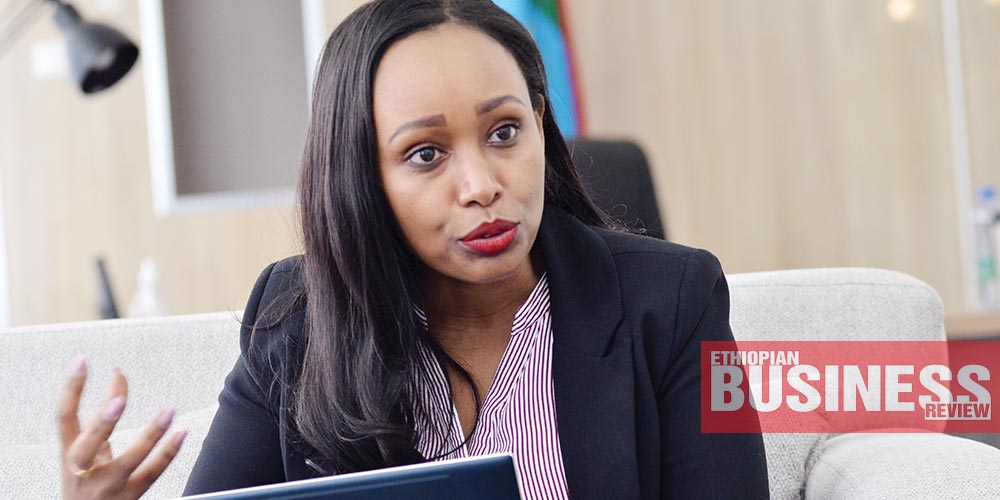
Dr-fisum.jpg

One of the young leaders that bolted to the front after PM Abiy’s reformist administration took power in 2018, is Fitsum Assefa (PhD), Minister in Charge of the National Planning and Development Commission (NPDC). She successfully maneuvered in the struggling economy to replace the previous GTP II with the Homegrown Economic Reform program. For the last two years, she led 12 studies preparing the Ten-Year Perspective Plan (TYPP), involving domestic and foreign institutions like the Korea Development Institute. The overambitious TYPP document is almost ready for implementation now.
Prior to her current appointment, she occupied different administrative positions at Hawassa University including Dean of the College of Business and Economics and also chaired the committee charting the university’s five-year strategic plan.


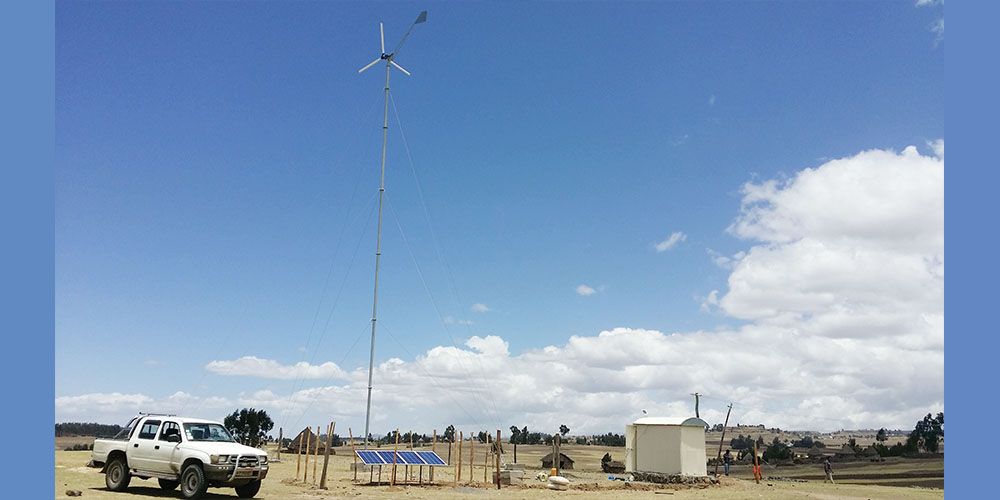
Disempowered-Energy.jpg

Ethiopia is endowed with abundant renewable energy resources and has the potential to generate over 60,000 MW of electric power from hydroelectric, wind, solar, and geothermal sources. However, the country only generates 4,500MW, not sufficient to satisfy more than 100 million people. To address the current and future demand forecasted to grow 14Pct annually till 2037, the government recently announced a new plan for the next ten years. The plan envisions increasing the electric generation capacity from renewable sources from the current 4,500MW to 19,000MW by 2030, of which the private sector is expected to generate 9,000MW. However, investors engaged in the energy sector inform that many hinderances limit the involvement of the private sector, and thus meeting the target will be very difficult. EBR’s Ashenafi Endale investigates the issue further.


Tulu-Moye.jpg

Access to clean energy is key to the advancement of Ethiopia. As such, pursuing renewable energy development is essential to attain energy security and economic sustainability, while helping to mitigate climate change and its devastating impacts. Ethiopia is among few countries in the world with great potential for renewable energy generation. Aware of the country’s potential, the government launched a plan to speed up the development of different renewable energy sources, a decade ago.

Tulu Moye Geothermal Operations (TMGO) project is one of the initiatives launched to develop an optimum level of renewable energy mix in Ethiopia. The project, expected to generate 150MW at a cost of USD800 million, is situated in the main Ethiopian Rift Valley close to the eastern margins of the rift and northwest of Assela town. Established in December 2017, TMGO, was formed by a consortium of western investors—French firm Meridiam and the Icelandic Geothermal company Reykjavik Geothermal. TMGO signed a power purchase agreement and an implementation agreement with the government on December 19, 2017 and restated documentation in March 2020. This makes the company the first private-sector-led power project in Ethiopia.


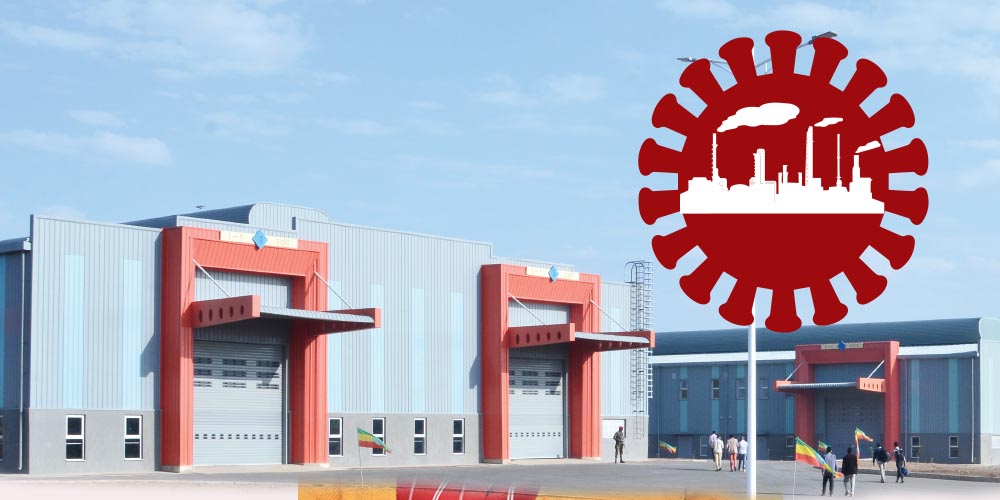
Corona-Slump.jpg

After a year-long Struggle, Manufacturers, Exporters see a Glimpse of Hope

In 2020, the spread of COVID-19 affected the global economy in large magnitude by reducing economic growth and slowing down business activities. Manufacturers and exporters operating in Ethiopia is also hit by the pandemic in a massive scale because of the cancelation of orders by international retailers and apparel. But after a yearlong setback, industry players say that foreign buyers are starting to place orders as the world’s economy is now under recovery. However, they argue to capture the opportunity, difficulties that hinders the performance of export-oriented manufacturers in Ethiopia should be solved quickly. EBR’s Ashenafi Endale explores.


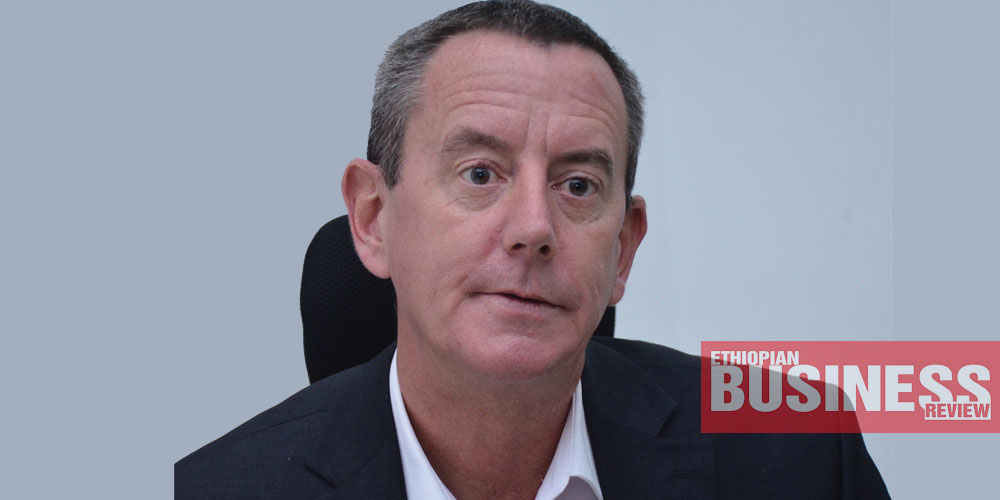
Liyu-Dender.jpg

Liyu Dender, is a Logistics and Supply Chain Manager at Nazret Garment, now owned by Bagir Group, an Israeli company specialized in developing, manufacturing, and marketing tailored garments. The company has the capacity to produce 4,000 trouser suits daily. In 2019, Nazret Garment shipped products worth USD5.4 million. However, branded international retailers have canceled their orders after the breakout of the coronavirus pandemic last year. EBR sat down with Liyu to learn how Nazret Garment is coping with this situation and its future prospects.


digital-transaction-prospects.jpg

Reduced physical engagement with cash due to COVID-19 triggered an increased demand for digital transactions and was coupled with the central bank’s measurements towards limiting cash withdrawals. The number of digital payment and online delivery companies has boomed to 35. Although the time is ripe for fintech companies and software developers, newly placed regulatory frameworks by the central bank are stunting the sector along with banks’ stubbornness in sticking with bricks and mortar. Ashenafi Endale, explores how de facto payment and delivery companies are struggling to transform into independent operators under the new directives of the central bank.


https___specials-images.forbesimg.com_imageserve_1135396007_0x0.jpg

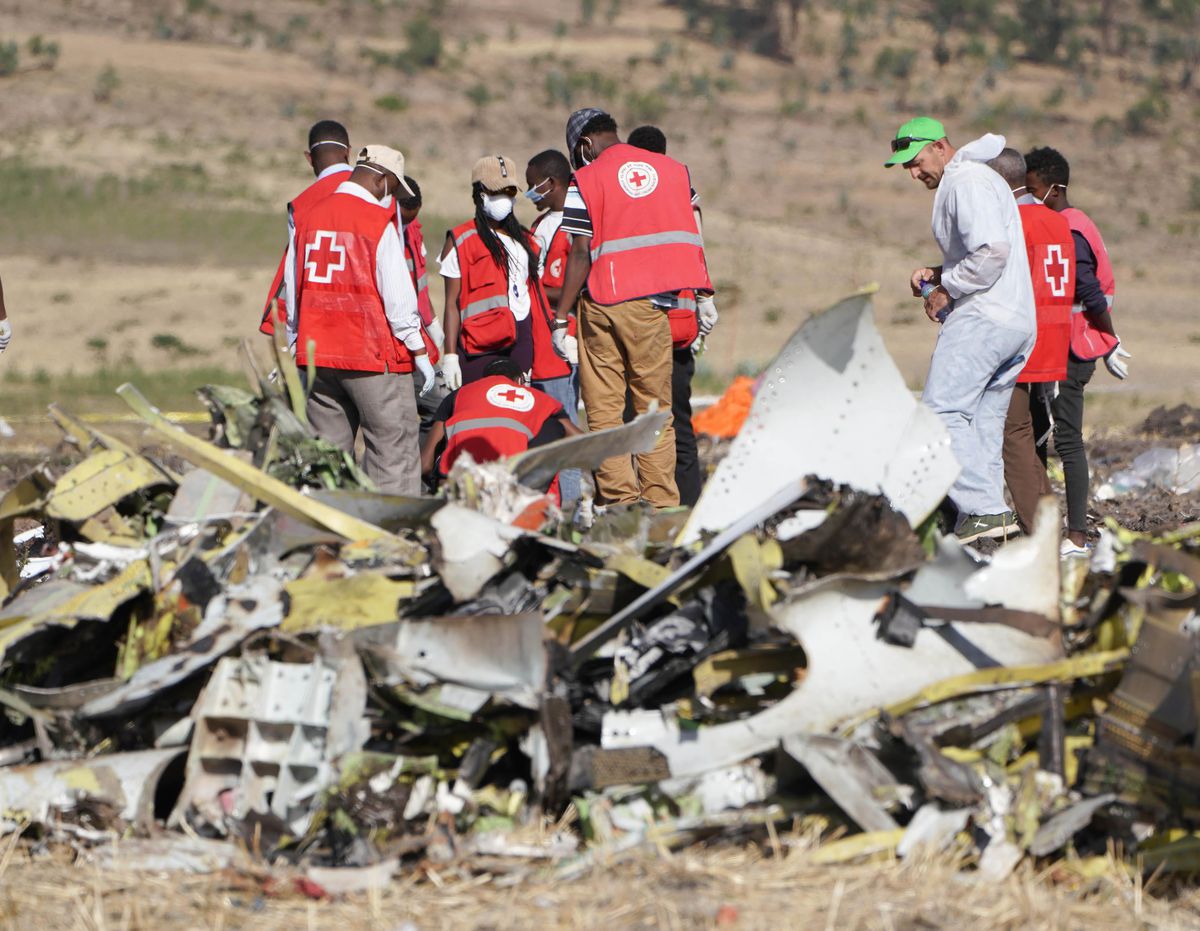
Boeing has entered into agreement to pay a total criminal monetary amount of over USD2.5 billion, the US Department of Justice disclosed on January 7, 2021. Criminal information filed at northern district of Texas, Under the deferred prosecution agreement (DPA), charges Boeing of conspiracy to defraud the united states.

The total USD2.5 billion, is composed of a criminal monetary penalty of USD243.6 million, compensation payments to Boeing’s 737 MAX airline customers of USD1.77 billion, and the establishment of a USD500 million crash-victim beneficiaries fund to compensate the heirs, relatives, and legal beneficiaries of the 346 passengers who died in the Boeing 737 MAX crashes of Indonesia’s Lion Air Flight 610 and Ethiopian Airlines Flight 302.

“Boeing’s employees chose the path of profit over candor by concealing material information from the FAA concerning the operation of its 737 Max airplane and engaging in an effort to cover up their deception. This resolution holds Boeing accountable for its employees’ criminal misconduct, addresses the financial impact to Boeing’s airline customers, and hopefully provides some measure of compensation to the crash-victims’ families and beneficiaries,” stated Acting Assistant Attorney General David P. Burns of the Justice Department’s Criminal Division.

Boeing Max products were grounded in 59 airlines, to which the company pays compensation, apart from the families of the deceased in Indonesian and Ethiopian demised flights. All 157 passengers lost their lives during Flight 302 and 189 in Flight 610.


Ethiopian Business Review | EBR is a first-class and high-quality monthly business magazine offering enlightenment to readers and a platform for partners.


2Q69+2MM, Jomo Kenyatta St, Addis Ababa

Tsehay Messay Building

Contact Us

+251 961 41 41 41