Fetching-Underground.jpg

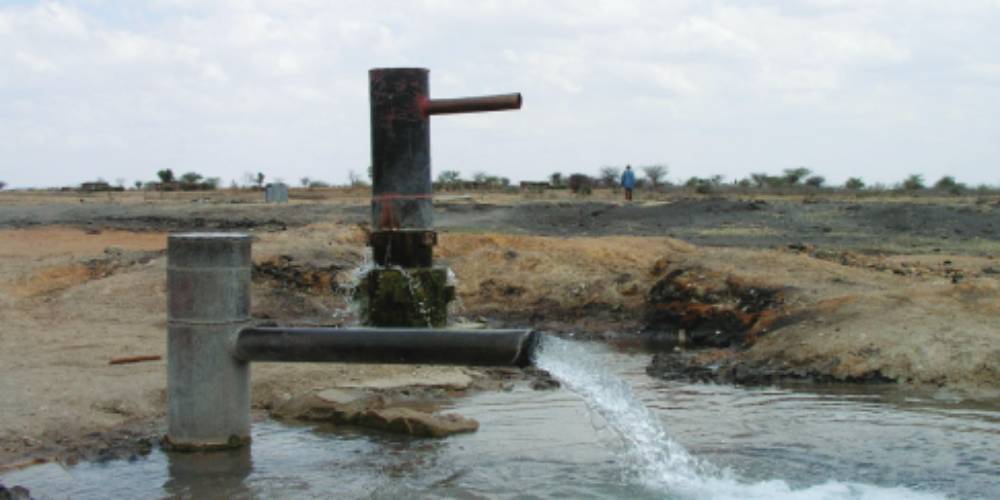
Ethiopia has vast water resources. However, only a fraction of the potential has been realized thus far. Access to fresh water is still a problem in both rural and urban parts of the country. Given the high population growth rate, Ethiopia should utilize groundwater for both agriculture and household use. However, little has been done to tap the huge groundwater resource in the country. EBR’s Mubarek Jemal reports.


Disempowered-Energy.jpg

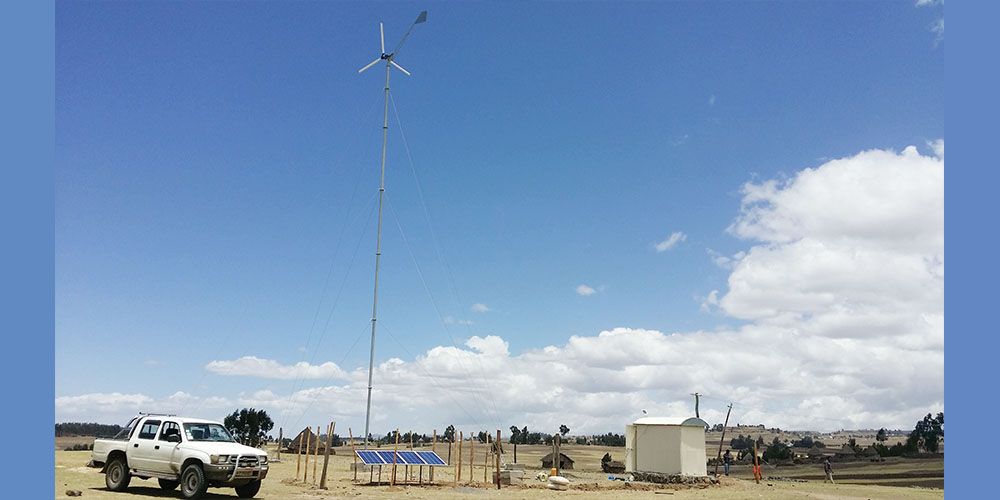
Ethiopia is endowed with abundant renewable energy resources and has the potential to generate over 60,000 MW of electric power from hydroelectric, wind, solar, and geothermal sources. However, the country only generates 4,500MW, not sufficient to satisfy more than 100 million people. To address the current and future demand forecasted to grow 14Pct annually till 2037, the government recently announced a new plan for the next ten years. The plan envisions increasing the electric generation capacity from renewable sources from the current 4,500MW to 19,000MW by 2030, of which the private sector is expected to generate 9,000MW. However, investors engaged in the energy sector inform that many hinderances limit the involvement of the private sector, and thus meeting the target will be very difficult. EBR’s Ashenafi Endale investigates the issue further.


Private-Lane.jpg

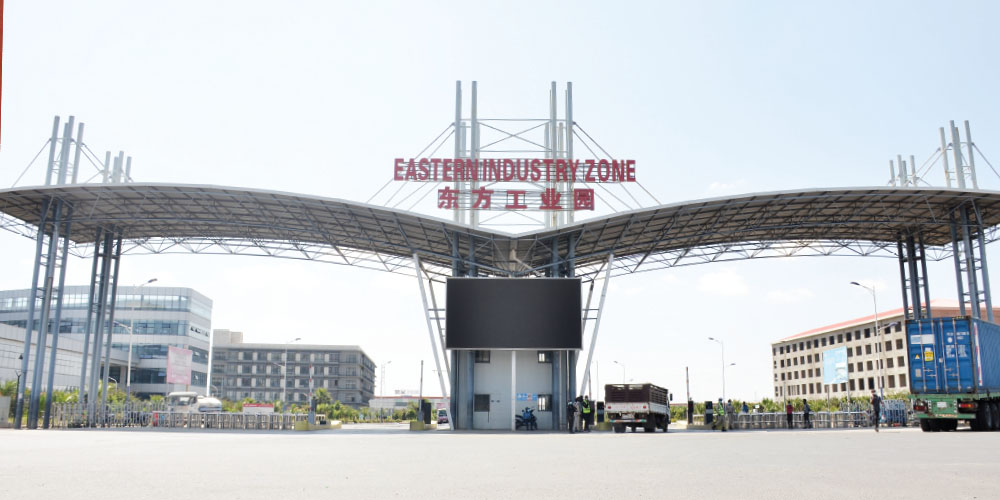
There are seven privately- and 10 government-owned industrial parks (IPs) operating in Ethiopia. Although the government-owned ones were developed with massive finances, thus far their performance has not been satisfactory. On the other hand, companies operating inside privately-owned IPs are doing well. In fact, an increasing number of foreign investors are requesting to develop their own IPs. The government, recently decided to discontinue developing IPs and is preparing a directive to facilitate this. EBR’s Elias Tegegn explores the issue.


Zooming-in-on-Ethiopias_1.jpg

Since domestic resources are not large enough to finance various development endeavors, Ethiopia, just like any developing nation is forced to turn to Foreign Direct Investment (FDI). To facilitate the flow of FDI into the country, the government tried to introduce a favorable legal framework in line with constantly changing global dynamics, but without compromising national interest.


Microinsurance.jpg

Microinsurance is insurance that can be accessed by the low-income segment of the population and small businesses. Despite its business potential and instrumental role in averting social and economic risks, the penetration of microinsurance remains very low in Ethiopia, a country with 80Pct of the population engaged in smallholder, rural, and rain fed agriculture, and where crop and livestock failure is frequent. EBR’s Ashenafi Endale explores why microinsurance could not capitalize on the rising demand and takeoff as a new business front.


Collateralizing-Movable-Property.jpg

Last year, Parliament passed a law forcing financial institutions to accept movable properties like livestock, patents, land operating rights, agricultural products, land ownership rights, warehouse receipts, and intellectual property rights, as collateral. The central bank is betting this will fundamentally change the credit landscape, which is currently highly collateralized and is resulting in bank credit injustice. The new move is expected to expand credit markets and improve access to credit for farmers, micro and small enterprises as well as cooperatives.


electric-vehicles.jpg

Globally, the manufacturing and use of electric vehicles (EVs) is growing as governments increasingly introduce stricter environmental protection directives. However, electric vehicles were not even a topic for discussion in Ethiopia until recently. The trend has shifted quite fast as a number of companies have started to assemble EVs despite the absence of appropriate legal framework to promote and regulate the assembly or manufacturing and use of the vehicles. The situation has left assemblers and users with obstacles. EBR’s Ashenafi Endale explores.


the-elusive-task.jpg

Ethiopia is among developing countries that have achieved fast and sustainable economic growth in the last decade, mostly through massive public led investment. Despite this, the domestic saving rate remains low, relative to the investment rate. As a result, the country is forced to depend on debt to fill the gap. Currently, the gross domestic saving to GDP ratio in Ethiopia is 22.3Pct, with the gross capital formation to GDP ratio at 37Pct. In fact, the gap between saving and investment is now wider than it was 15 years ago. As the government envisions increasing the saving ratio to 30Pct of GDP in the next 10 years, EBR’s Ashenafi Endale explores the reasons for the low domestic saving rate and offers solutions.


pandamic.jpg

The Ethiopian Job Creation Commission along with other research institutions predicted during the onset of the Coronavirus pandemic in Ethiopia that the health problem would end up slashing 1.5 million jobs in a few months. Fast forward a few months and the commission has announced that the governmental goal of creating three million jobs has been achieved. Some experts and citizens interested in the matter have all be surprised by the report. Kiya Ali looks into the matter.


Cement-Conundrum.jpg

Shortage of cement is one of the identifying characteristics of the Ethiopian economy over the past eight years. Despite completely substituting cement imports by local production, the dynamics of Ethiopia’s cement market have drastically changed since 2018. Cement shortage has become very normal, while unexplained price hikes of the item have shaken the construction industry. Even though the government has taken different administrative measures going as far as price caps, the problem is far from over. EBR’s Ashenafi Endale investigates. 


Ethiopian Business Review | EBR is a first-class and high-quality monthly business magazine offering enlightenment to readers and a platform for partners.


2Q69+2MM, Jomo Kenyatta St, Addis Ababa

Tsehay Messay Building

Contact Us

+251 961 41 41 41