
 Ishac Diwan
While developed economies have pledged to increase climate financing sharply by 2030, developing-economy policymakers are struggling to cover the costs of action. With medium-term strategies being used to address a short-term threat, progress on the green transition will be undermined, with potentially catastrophic implications.
 Dr. Brook Genene
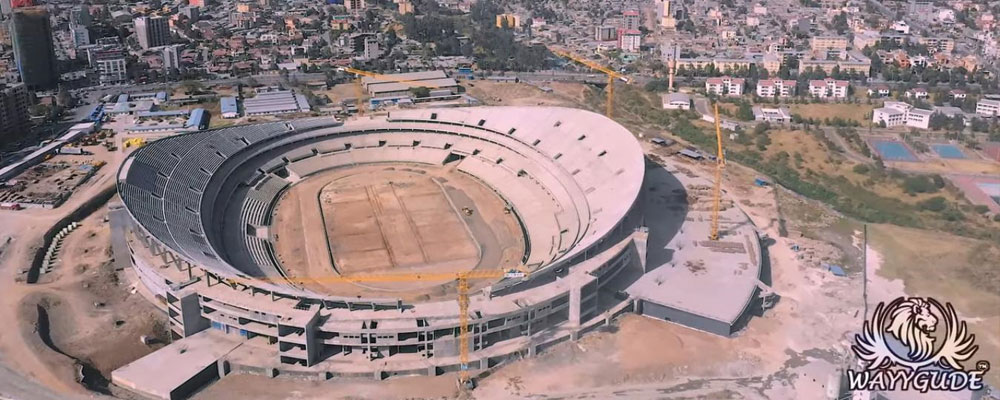
Ethiopia’s Lack of Standard Stadiums Thwarts Footballing Ambitions
Ethiopia is a distant observer while the continent’s finest footballers take centre stage in Côte d’Ivoire for the Africa Cup of Nations (AFCON) 2023. Having graced the AFCON stage in Cameroon just two years ago, the “Waliyas” now watch from afar, a stark reminder of their struggles to sustain continental relevance.
This absence highlights a more profound malaise afflicting Ethiopian football: the glaring lack of a stadium meeting CAF and FIFA standards. Dr. Brook Genene, a prominent sports commentator for EBR, delves into this critical issue, revealing its detrimental impact on both results and player development. Indeed, Ethiopia’s recent stumbles can be partly attributed to the absence of a world-class stadium. Substandard facilities hinder both domestic and international competition, crippling player development and eroding fan confidence.

 Eden Teshome
Hibret Bank, a private bank in Ethiopia, has announced its strategic investment in the Ethiopian Securities Exchange (ESX). The bank’s equity investment of ETB50 million represents a 5 % ownership share in the paid capital of ESX. This move aligns with Hibret Bank’s goal of actively participating in Ethiopia’s emerging capital market ecosystem.
The investment from Hibret Bank, along with the initial investment from Ethiopian Investment Holdings (EIH), is said will support the final preparations for the launch of ESX later this year. Other investors are also expected to join as shareholders in the coming months.
 Samuel Getachew
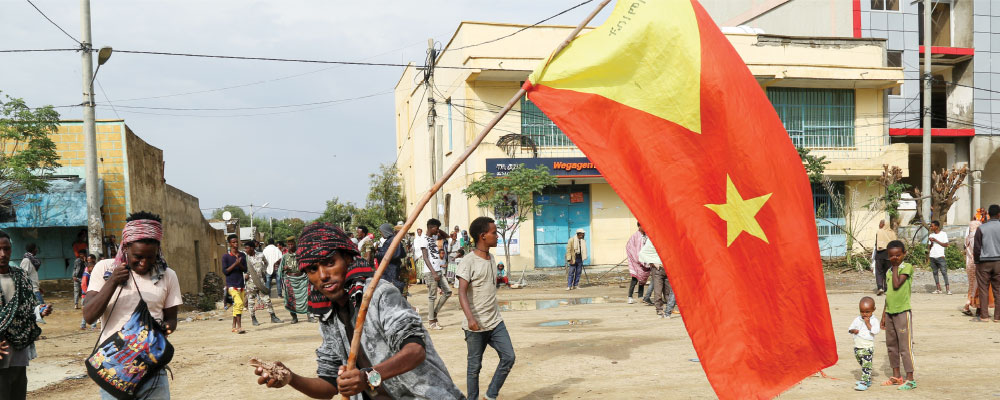
Once a bustling capital, Mekelle now wears the scars of Tigray’s brutal conflict. Its unfinished buildings and neglected shops whisper of lost opportunity, while cheap beer and quiet pubs offer solace from the harsh reality. Young people yearn for a brighter future elsewhere, fleeing to Europe or fearing jobs and famine.
The war’s economic wounds are deep. Infrastructure lies in ruins; businesses are largely looted, and unemployment soars while inflation reaches the rooftop. Hospitals struggle with staff shortages and non-payment, driving skilled doctors away in mass exodus. The spectre of famine is looming while the regional government cries for funds. Tourists, once plentiful, now stay away, deterred by images of hunger and instability in the region.
Indeed, Mekelle grapples with its new reality – hosting internally displaced people with meagre resources.
EBR’s Samuel Getachew visited Mekelle to understand how rough the road to recovery will be. He reports that it will take a concerted effort of international donors, local and federal governments, and citizens for Mekelle to rise again from the ashes and for its people to rebuild a brighter future.
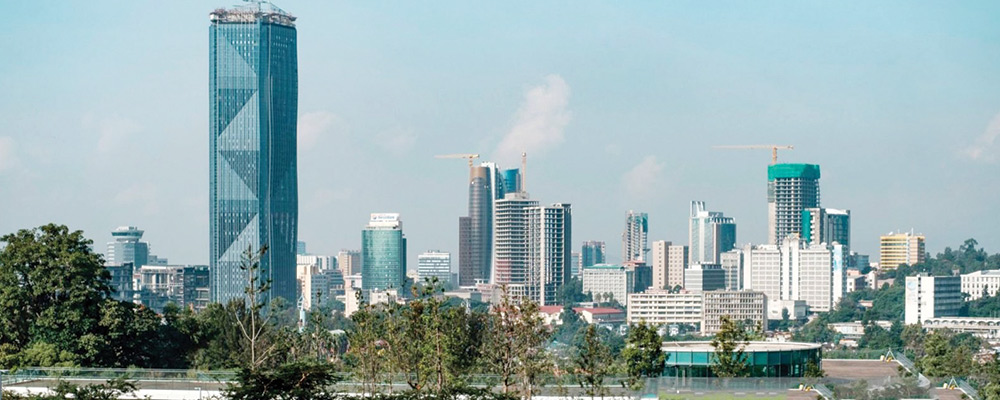
Ethiopia’s booming real estate sector, boasting a remarkable 14Pct average annual growth over the past decade, faces a potential turning point. The recent implementation of a 14Pct credit cap by the National Bank of Ethiopia (NBE) has significantly impacted bank lending capacity, sending ripples through the industry. This article delves into the specific consequences of this policy, exploring its effects on key players and overall market dynamics, particularly in Addis Ababa.
Indeed, Real estate developers and individual sellers across Addis Ababa are grappling with a new reality. Despite price adjustments aimed at aligning with reduced buyer purchasing power, a noticeable struggle to attract buyers has emerged, while some developers are innovatively taking swift strategic moves to solve the looming financial gap in the sector. This shift can be attributed to the credit cap’s influence on loan availability, effectively limiting access to financing for potential buyers. EBR’s Eden Teshome sheds light on the multifaceted impact of the credit cap in the Real Estate sector.
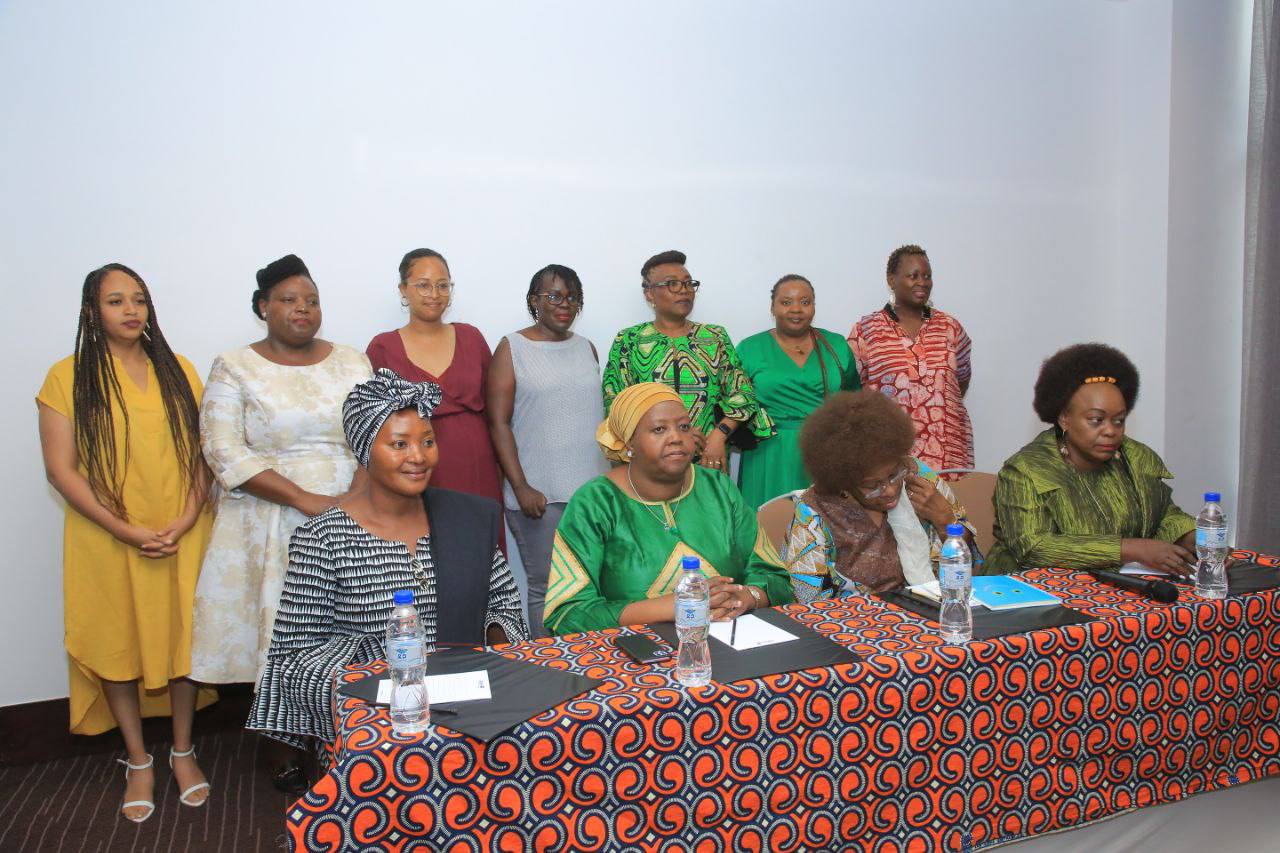
As long as women achievements are concerned within the African continent, this year’s Women History Month was a humbling year.
The reality remains most African women still lag behind in all sector of society, especially in areas of economic advancement where the World Bank estimates, a majority of African women, to the tune of more than 70 Pct remain excluded by financial institutions. This is something African nations are trying to address but the status quo remains.
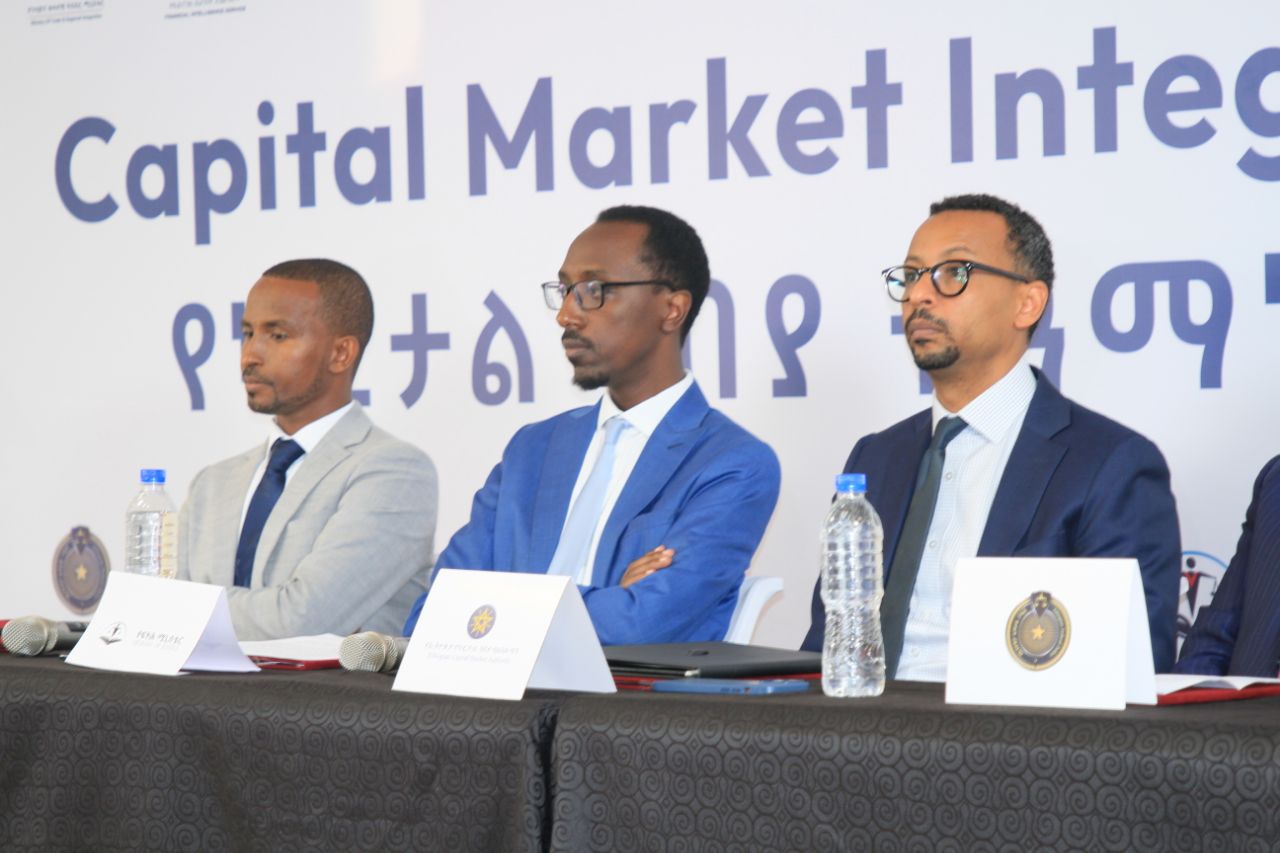
The Ethiopian Capital Market Authority (ECMA) has signed two Memoranda of Understanding (MoUs). These agreements aim to enhance market integrity, promote transparency, and bolster technological capabilities for enhanced market surveillance. By doing so, the ECMA seeks to safeguard investors and foster confidence in the Ethiopian capital market.
The first MoU, titled ‘Capital Market Integrity Task Force Cooperation and Coordination Agreement No 01/2024,’ was signed by the ECMA, Ministry of Justice, Financial Intelligence Services, Ministry of Trade and Regional Integration, and the Federal Police Commission. This agreement establishes the “Capital Market Integrity Task Force,” which will collaborate to maintain the integrity of the capital market.
 Ethiopian Business Review
Ethiopia’s landlocked status has long constrained its economic growth and regional influence. While direct access to the sea offers undeniable benefits, achieving it remains a complex geopolitical puzzle. Direct access to the seaport brings enormous economic benefits for Ethiopia. It strengthens a nation’s regional and international standing, granting it a voice in maritime affairs and potentially boosting cooperation with other coastal countries and superpowers.
 EBR
EBROn December 11, 2023, Ethiopia missed a USD33 million interest payment on its December 2024 dollar bond, marking the East African nation’s latest defaulter by emerging-market sovereigns and raising concerns about its once-promising economic future. This significant default, the first for Ethiopia after years of rapid economic growth, sent a shockwave through the international financial community and threatened to hinder the country’s future development prospects.

Africa, the world’s second-largest continent in terms of land area and population, holds a prominent position on the global stage, rivalling only Asia. With over 11,724,000 square miles (30,365,000 square km), Africa covers approximately one-fifth of the Earth’s land surface. Its geographical features are diverse and captivating, with the continent bisected by the Equator, positioning most of its territory within the tropical region.