
Dangote Targets $100 Billion in Annual Revenue by 2030, With Refineries Expected to Deliver Most of It
Betegbar Yaregal
#EBR_News Oct 20, 2026
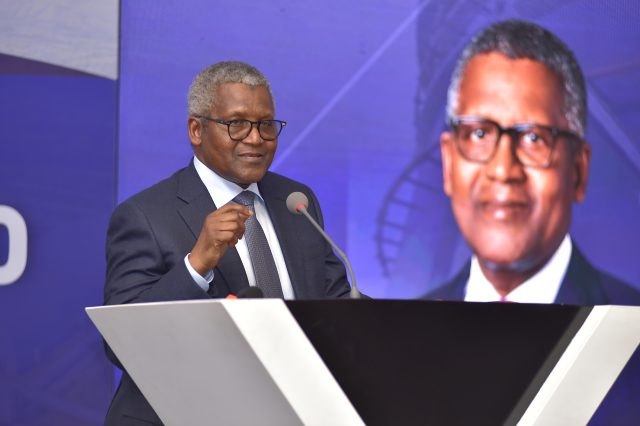
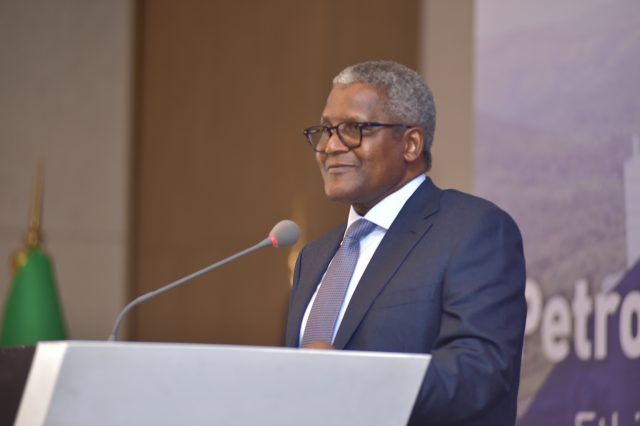
Dangote Group aims to raise its annual revenue to $100 billion by 2030, up from the $36 billion it expects to close this year, and has lifted its investment plan to about $50 billion to get there. Group President Aliko Dangote set out the “Vision 2030” targets in Addis Ababa last week on October 15 at an investor roadshow for the Dangote Petroleum Refinery initial public offering (IPO).
He said the group’s revenue had grown despite the sharp devaluation of the Nigerian naira. Dangote also said the group intends to sell at least 10 percent of its Ethiopian fertilizer business on the Ethiopian Securities Exchange. He framed the whole programme as African industrialization, saying the continent should turn raw materials into finished goods before exporting them rather than export raw materials.
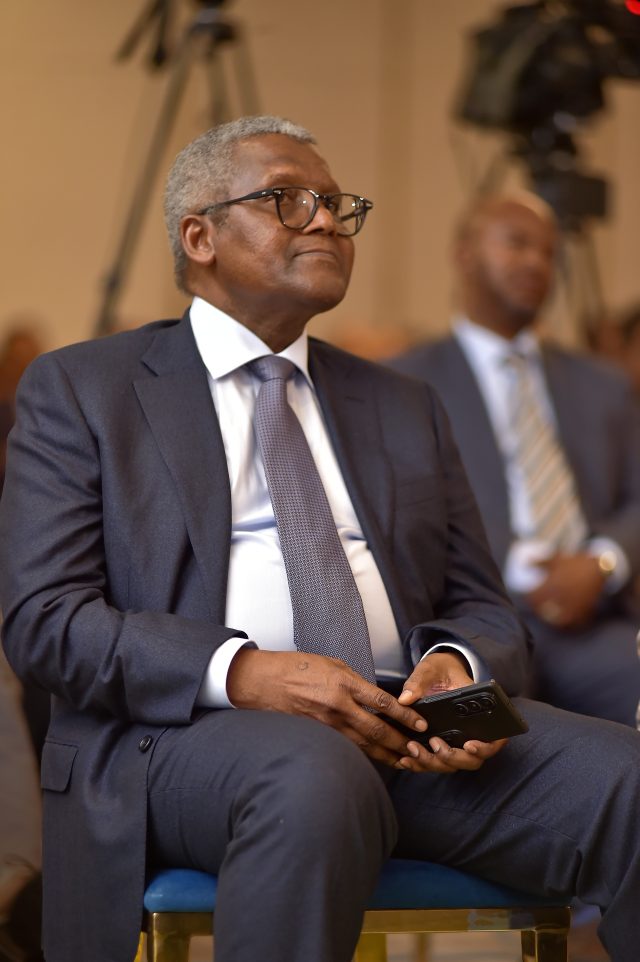
According to Dangote, revenue was about $3.3 billion in 2020 and $18.2 billion last year. It reached $27 billion in the first nine months of this year, and he expects the group to close the year at about $36 billion. Reaching $100 billion would require nearly three times that level within four years.
He said refining and petrochemicals will carry most of the load. He told the audience the three refineries would contribute about $82.9 billion of the target, with polypropylene adding $3.9 billion and linear alkyl benzene, a raw material for detergents, $1.6 billion. That brings the refining and petrochemicals total to $88.3 billion.
Dangote said fertilizer would add about $5 billion, cement $6.5 billion, food $5 billion, West African exploration about $1.5 billion and liquefied natural gas (LNG) $8 billion. He said shipping and mining were not yet counted, and that the group would deliver more than $100 billion.
The plan rests on a large expansion. Dangote said the Lagos refinery, now running at 700,000 barrels a day, will be doubled to 1.4 million. Polypropylene output will rise from 900,000 to 2.4 million tonnes a year.
He said the group is building a 400,000-tonne detergent-raw-material plant, which he described as the largest ever built, whereas Africa’s only existing plants, in Egypt and Algeria, produce 50,000 and 100,000 tonnes.
Cement capacity is set to rise from 55 million tonnes to 62 million tonnes in December and 100 million tonnes by 2030. Fertiliser output is set to grow from 3 million tonnes toward 10 million tonnes or more.
Dangote also outlined new businesses. These include a 13-million-tonne LNG plant, a deep-sea port with an 18-metre draft and a 36,000-hectare industrial zone, and a 530-kilometre subsea gas pipeline.
He said the group wants to generate 10,000 megawatts of power by 2030 and move into mining, including phosphate and potash in Congo-Brazzaville. He added that cement, once about 70 percent of the business, now accounts for less than 5 percent.
On funding, Dangote said the group would finance about $46 billion of capital spending largely from its own cash flow. He told the roadshow the plan is backed by $58 billion of free cash flow, with up to about $10 billion in equity raises and $30 billion of new debt available if needed, leaving room for a further $18 billion of spending.
At the target revenue he said EBITDA, a measure of operating profit, would reach about $35 billion a year. He said the group intends to repay all its debt by this October because loan interest exceeds what it earns on cash. Murat Arden, the group’s chief financial officer, said the refinery holds more cash than debt.
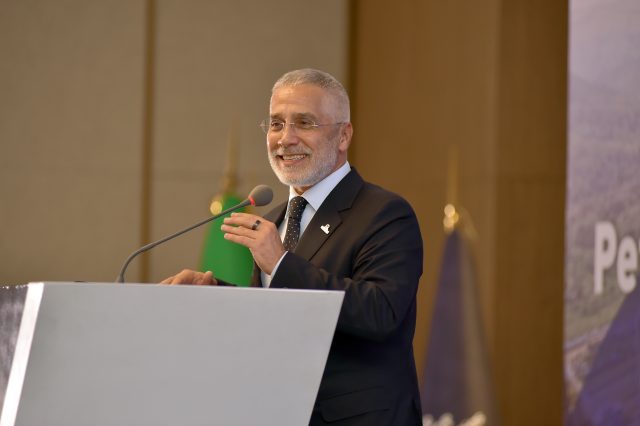
Murat presented management accounts showing the refinery earned $22.5 billion in revenue and $4.7 billion in profit after tax in the first nine months of 2026. Those numbers are unaudited. Reuters has reported that the refinery’s recent earnings benefited from global disruption.
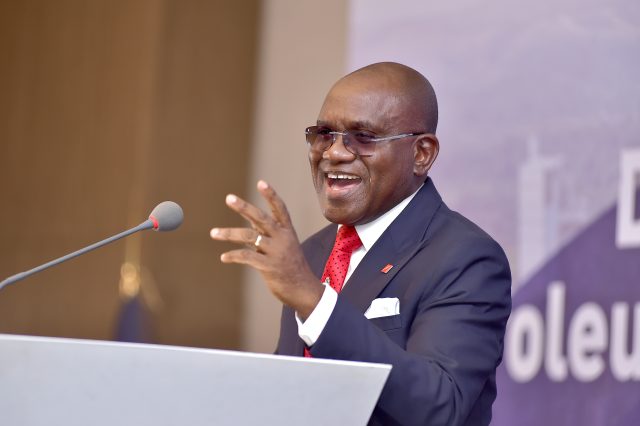
Asked by EBR whether the profits can last, Peter Ashade, chief executive of United Capital, said demand within Africa alone would sustain the business whether or not there is war in the Middle East.
Dangote said Ethiopia is part of the plan. He said the group’s investments here have reached about $5 billion, covering the Gode fertilizer plant, power generation, cement plants and a Djibouti–Ethiopia fuel pipeline.
The target is a bet that refining, which Dangote said will deliver about three-quarters of the plan, can scale as fast as he projects. The nearest tests are the doubling of the Lagos refinery within about three years and the December cement expansion.
 Betegbar Yaregal