Two-at-a-Time.jpg

Ethanol for Foreign Currency, for Environment

The Ethiopian government will for sure fall short of the goal it set to produce 181.5 million litters of bioethanol fuel by the end of the current fiscal year. So far, the country has only managed to produce 13.5 million litters of the much needed product. However, that isn’t deterring industry insiders from finding ways to produce more ethanol blended fuel, which is a ‘cleaner’ source of energy than normal fossil fuel. Ethanol blended fuel helps reduce carbon emissions from vehicle use. Ethanol is produced as a by-product of sugar cane and, according to EBR’s Ashenafi Endale, Ethiopia’s sugar industry is looking to meet the demands of the government. Still, many roadblocks stand in the way of the nation is trying to achieve its goals of using bioethanol as a means of creating a ‘green economy’.

Is-Kaizen-Shaping.jpg

Unlike the past currently products made in Japan are among the few products that are sought after their high quality standards not only here in Ethiopia but also around the globe. The underlying reason behind such a dramatic turnaround is their workplace philosophy called Kaizen. Almost six decades after the Japanese started implementing it; Ethiopia is trying to adapt it. EBR’s Pawlos Belete explores what it means, how it is being adapted and the results achieved so far in his report.


New-Technology.jpg

Cheque Clearing System Chokes Business Activities

For decades Ethiopia’s financial sector was defined by costly and risky cash and cheque based transactions. So when the National Payment System (NPS), which was supposed to clear and settle payments electronically, was launched in June 2011, it was seen as a transition to modernity.


African-Billionaires.jpg

Surge to 29 from Two a Decade Ago

The number of African billionaires in the Forbes richest people list of 2014 has surged to 29 from only two a decade ago, in 2003. The two people listed then were both from South Africa and its has been growing diversified and reached 20 last year.


Discretionary-Income.jpg

Is It Causing Business to Slow Down in Addis Ababa?

Over a million city dwellers are taking money out of their meagre monthly salaries hoping to soon own a condominium house. Over the past six months, 4.1 billion birr has been mobilized through the program. Although saving often leads to investment, it has forced house-seekers in Addis Ababa to prioritize and cut spending. This is contributing to a stall of business in the Capital writes Berihun Mekonnen, EBR Staff Writer.


Pie-in-the-Sky.jpg

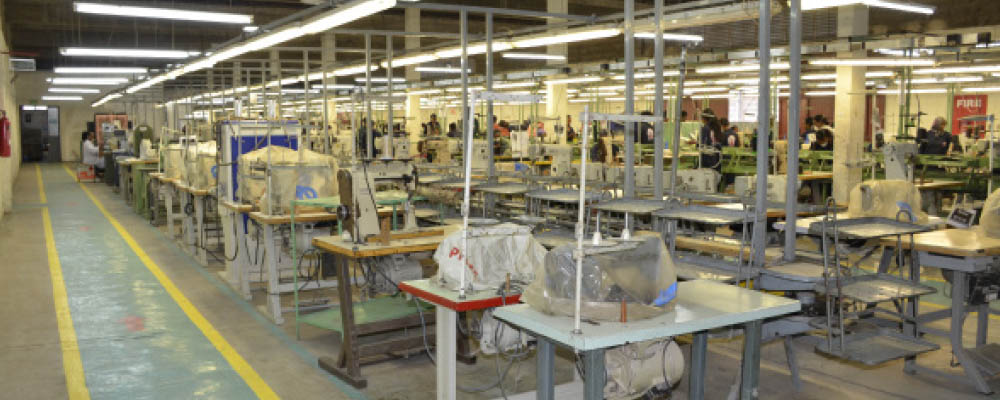
Ethiopia’s Textile Industry Lags behind

At a time when the government is only left with a year and half to fulfil its export targets set in the Growth and Transformation Plan (GTP), the textile sub-sector, the third largest manufacturing industry in the country in terms of value addition after food processing and beverage and the leather sub sectors, registered another dissatisfactory export performance in the last six months of the current fiscal year. The nation’s six month export revenue released by the Ministry of Trade (MoT) last February revealed that textile companies operating in the country exported only USD57.5million worth of garments and textiles. This has increased the combined export revenue from the sub sector to USD301.9 since the launching of GTP.


Missing-in-Action.jpg

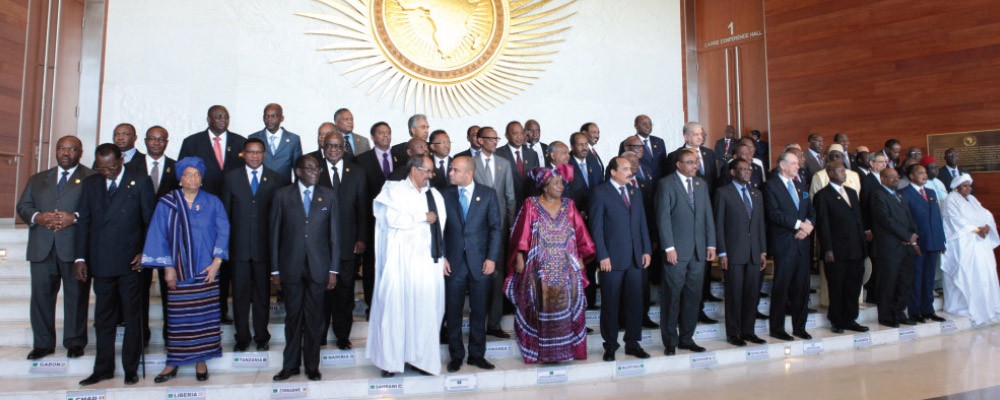
AU Summit Leaves Agriculture Behind

When African leaders met to celebrate the 50th anniversary of the founding of the Organisation of African Unity (OAU) in Addis Ababa last year, their hope was that years of conflicts and poverty would soon be over. A year later, a galaxy of African heads of state joined last month during the 22nd African Union (AU) Summit in Addis Ababa to push forward a great leap towards the pan-African quest for economic growth and unity through “Agenda 2063”, a hopeful blueprint for a socio-economic and political transformation of the continent.


The 85 Richest People on the Planet Own the Wealth of Half the World’s Population

The world’s 85 richest people own the same amount of wealth as the bottom 3.5 billion, Oxfam revealed in a new report released January 20th, before the opening of the 2014 Davos World Economic Forum. These 85 people have USD 1.7 trillion, similar to the wealth of the bottom half of the world’s population.


A-Booming-Publishing.jpg

Jafar Shifa owns a book store and it keeps him constantly busy. At Jafar Bookstore located at the back of the Ethiopian National Theater, on Ras Abebe Aregay St. in Addis Ababa, he distributes books for retailers and street book venders and also sells to individual customers. Though he started the business by selling books on the streets a decade ago, now he has one of the biggest book stores in the city and “business is very good” for him. He even struggled to find a few minutes to talk to EBR and requested humbly to be called after 9:00pm, when the hectic business hours ended.


A-Step-in-the-Right-Direction-.jpg

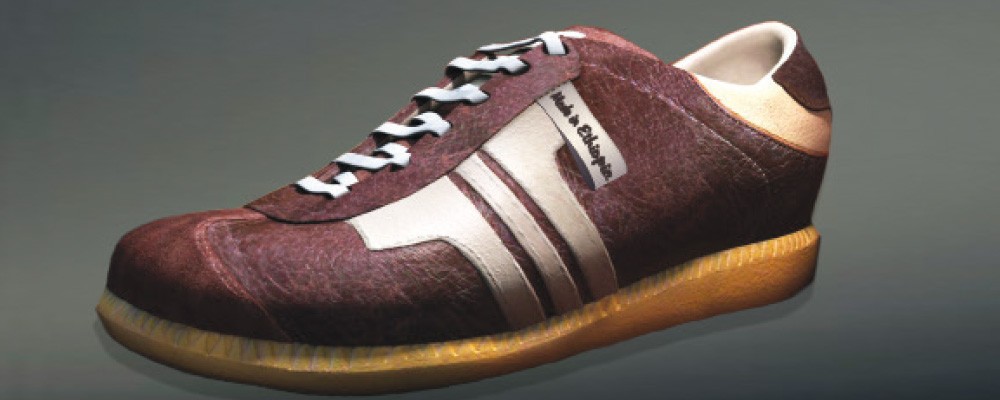
The Pride of Made in Ethiopia

Once, some ten – twelve years ago, shoe manufacturing industry owners were at the late Prime Minister’s office to talk about some of the most dreadful challenges they were facing. One of the major grievances they presented to the Prime Minister was that imported shoes have swamped the local market and they couldn’t compete with them. “People are not buying our product and we will be out of business” they told him.


Ethiopian Business Review | EBR is a first-class and high-quality monthly business magazine offering enlightenment to readers and a platform for partners.


2Q69+2MM, Jomo Kenyatta St, Addis Ababa

Tsehay Messay Building

Contact Us

+251 961 41 41 41