demonetization.jpg

The portion of currency outside of banks and in individuals’ hands bulged to ETB127.5 billion during the third quarter ending March 2021, up from ETB109.3 billion in March 2020, according to the latest report from the National Bank of Ethiopia. During the year in between, the figure dramatically dropped to ETB64.6, after most monies entered banks’ vaults ensuing demonetization in September 2020. Birrs are now back in peoples’ pockets.



fre-ethio-telecom-1.jpg

The‌ ‌state-owned‌ ‌telecom‌ ‌firm‌ ‌disclosed‌ ‌ETB56.5‌ ‌billion‌ ‌in‌ ‌revenue‌ ‌for‌ ‌the‌ ‌just‌ ‌ended‌ ‌2020/21‌ ‌Ethiopian‌ fiscal‌ ‌year,‌ ‌up‌ ‌by‌ ‌ETB8.8‌ ‌billion‌ ‌from‌ ‌previous‌ ‌year.‌ ‌The‌ ‌enterprise‌ ‌netted‌ ‌ETB31‌ ‌billion‌ ‌during‌ ‌the‌ ‌second‌ half‌ ‌of‌ ‌2020/21,‌ ‌up‌ ‌from‌ ‌the‌ ‌ETB25.5‌ ‌billion‌ ‌during‌ ‌the‌ ‌first‌ ‌half‌ ‌year,‌ ‌during‌ ‌when‌ ‌it‌ ‌lost‌ ‌its‌ ‌assets‌ ‌and‌ service‌ ‌revenues‌ ‌to‌ ‌conflicts‌ ‌in‌ ‌Tigray‌ ‌regional‌ ‌state.‌  

5d2b9f90dd3e0.jpg

A new hope was dawn when two banks named Goh and Selam recently begun selling shares with the aim to finance specifically housing demand. Ethiopia’s housing gap is an accumulation from generations, with over 400,000 new demand annually matched by less than 100,000 supply, government schemes and private developers teamed up.  Now, Goh and Selam revived the demand of millions of house seekers, promising to deliver hundreds of thousands of houses in few years. Goh will provide loans for the house buyers, while Selam both the developer and buyer.


modjo-dry-port.jpg

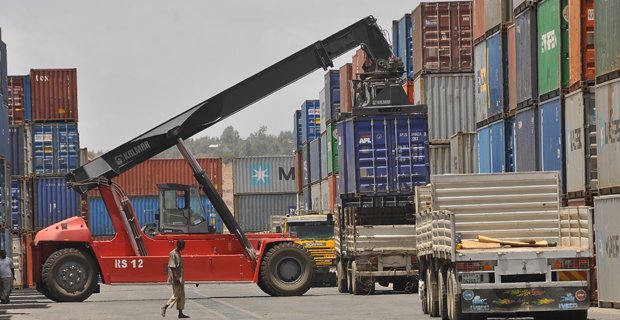
The Ethiopian Maritime Affairs Authority (EMAA) is finalizing a new directive specifying requirements to govern the licensing of private multimodal transport operators.

“We are preparing to commence licensing the first private multimodal operators in the country. There are many logistics companies who have been requesting this,” Ewnetu Taye, Deputy Director at the Ethiopian Logistics Transformation Office (LTO), told EBR.


sesame-conundrum.jpg

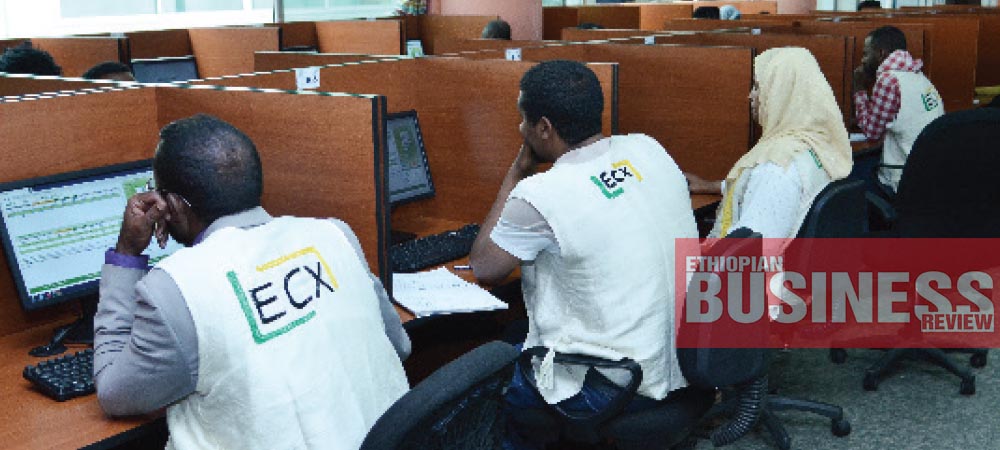
Ethiopia’s modality for coffee exports has shifted from the Ethiopian Commodity Exchange (ECX) to vertical marketing. During the 2020/21 Ethiopian fiscal year that ended June 30, 2021, over 90Pct of the 248,000 tons of coffee was exported through the new modality which is outside of ECX’s platform—earning the nation a record high income of USD970 million. This value has only been in the range of USD600 to 800 million during the past decade. The price of regular Ethiopian coffee also jumped in the international market from USD2,800 two years ago to the current USD4,000 per ton—a surge of 35Pct. Specialty coffee fetched around USD70 per kilogram. However, USD370 per kilogram was the winning bid of the Cup of Excellence coffee auction.


Addis-Ababa-to-herald-Leather-Congress.jpg

The fifth World Leather Congress and International Union of Leather Technologists and Chemists Society IULTCS is set to feature Skylight Hotel in Addis Ababa, from November 1 to 5, 2021. Ethiopia was picked for the event, after fulfilling various requirements among interested peer African countries. The annual episode was skipped in 2020, due to covid19.


Throughout history, Ethiopians have fought with external enemies numerous times but also frequently with each other. Even after the birth of modern Ethiopia, war, insurrection, and rebellion has continued. This infighting has drained the nation’s resources and withheld it from development and progress. Not long ago, Ethiopia hosted one of the bloodiest civil wars in history. The military spending during in the 1970s and 1980s drained the national budget and left Ethiopians to crawl into the poverty trap.


Ethiopian Business Review | EBR is a first-class and high-quality monthly business magazine offering enlightenment to readers and a platform for partners.


2Q69+2MM, Jomo Kenyatta St, Addis Ababa

Tsehay Messay Building

Contact Us

+251 961 41 41 41