
 Austine Sequeira (PhD)
Between 2010 and 2014, Africa’s economic growth was an over-studied phenomenon. A cursory glance at any financial publication during this period and one would have been inundated with overwhelming analysis and statistics on Africa’s progress and future potential. The topic was so ubiquitous that the global conference industry was thriving on just one subject – African development. However, by 2015 the euphoria seemed to have all but evaporated.
 Anabel González
The Brexit referendum in the United Kingdom and the presidential race in the United States have shown, among other things, that public distrust of global integration is on the rise. That distrust could derail new trade agreements currently in the works, and prevent future ones from being initiated.
 Philipp Lepenies
Gross domestic product (GDP) is the most powerful metric in history. The US Department of Commerce calls it “one of the great inventions of the twentieth century.” But its utility and persistence reflect political realities, not economic considerations.

 Meseret Mamo
With the proliferation of advanced technologies in Ethiopia – like smartphones, tablets and digital cameras – artists have now turned to video art as a medium of expression. Experts agree that video art is an important medium, especially for Ethiopian artists to capture the rapid and complicated nature of economic development. EBR’s adjunct staff writer Meseret Mamo spoke with artists and academicians to learn more about the promise and potential roadblocks facing video art in Ethiopia.

 Ashenafi Endale
The last version of the Addis Ababa Master Plan spurred riots in the State of Oromia due, in part, to accusations of unfair land acquisition. The latest draft version of the Plan, which will likely be ratified, has many residents in the capital upset, especially those who’ve had their homes demolished in the name of development. Of course, any drastic development plans are likely to receive mixed reviews from the public – but is the Addis Ababa City Administration handling its development and expansion efforts in the most efficient manner? EBR’s Ashenafi Endale spoke with government representatives, experts and residents to find out.

 Tamirat Astatkie
The growth of private higher education institutions (HEIs) has been rapid over the last decade – up from 55 in the 2002/03 academic year to 106 in 2014/15. Private HEIs graduated 133,000 undergraduate and postgraduate students last academic year – and often enjoy greater gender parity than government universities. Still, these institutions face a number of logistical and managerial hurdles, not least of which is an imbalanced treatment from the government vis-à-vis assessment and accreditation. While some stakeholders don’t mind the scrutiny, done so in the name of improving education quality, many wonder why there’s a double standard between public and private institutions. EBR’s Tamirat Astatkie spoke with key insiders to learn more about the tension present in the relations between private HEIs and regulators.

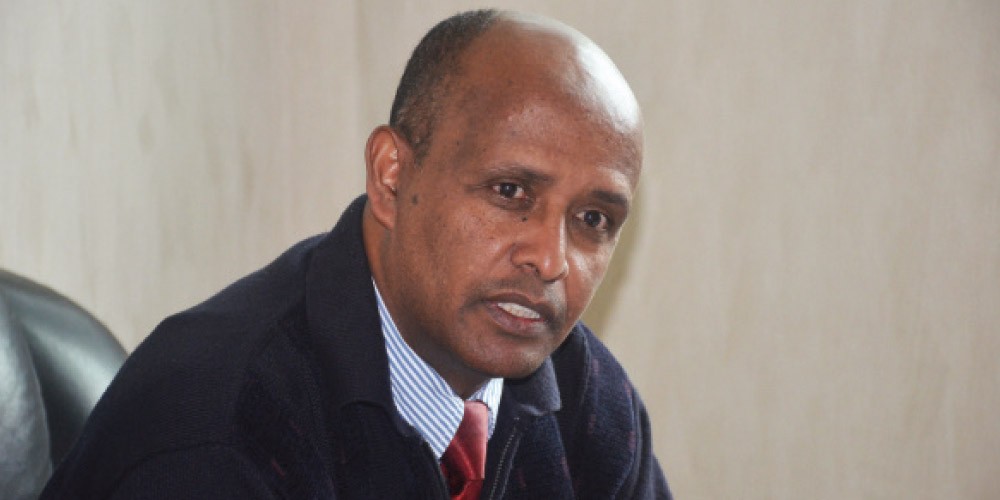
Tesfaye Muhiye (PhD) serves as the Director General of the Higher Education Relevance and Quality Assurance Agency (HERQA). It’s the entity responsible for ensuring higher education institutions (HEIs) meet certain standards regarding their organisational structure and academic programmes so that they offer quality and relevant education to aid the country’s development. This is an especially important task, given the government’s push to increase access to higher education and the proliferation of private institutions.
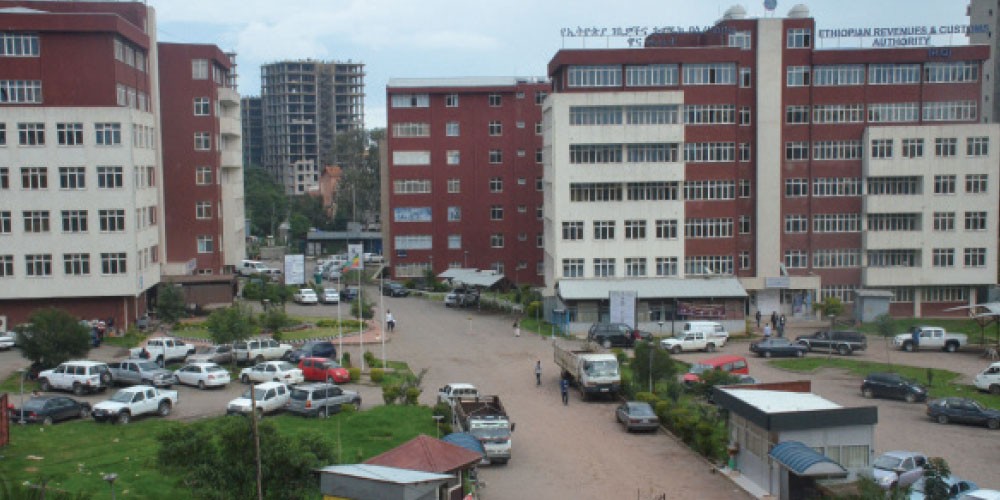
In order to achieve the targets established in the second phase of the Growth and Transformation Plan, a robust and efficient civil service is necessary. This is because government employees are responsible for monitoring and implementing development programmes as well as regulating, assessing and approving investments that come into the country. However, Ethiopia’s government offices are often critiqued for their inefficiency, cumbersome bureaucracy and, in some cases, corruption. Studies suggest this is due to the lacklustre compensation, even compared to other African countries. For example, in 2014 the average monthly salary for a civil servant in Kenya was USD679, a figure that stood at USD145 in Ethiopia. EBR’s Ashenafi Endale spoke with government representatives to learn about what’s being done to remedy this crucial policy issue.
 Ethiopian Business Review
Anyone who knows Wondwosen Tamrat, 49, testifies to his humble, soft-spoken and articulate demeanour. He credits these traits to his parents, whom he considers his role models, instilling in him the traits of resilience and commitment.
Despite years of hard work, 1998 defined and launched Wondwosen’s career. That year marked the beginning of private higher education institutions (HEIs), allowing for the establishment and expansion of private HEIs in the country, with Unity becoming the first private college and St. Mary’s soon after.
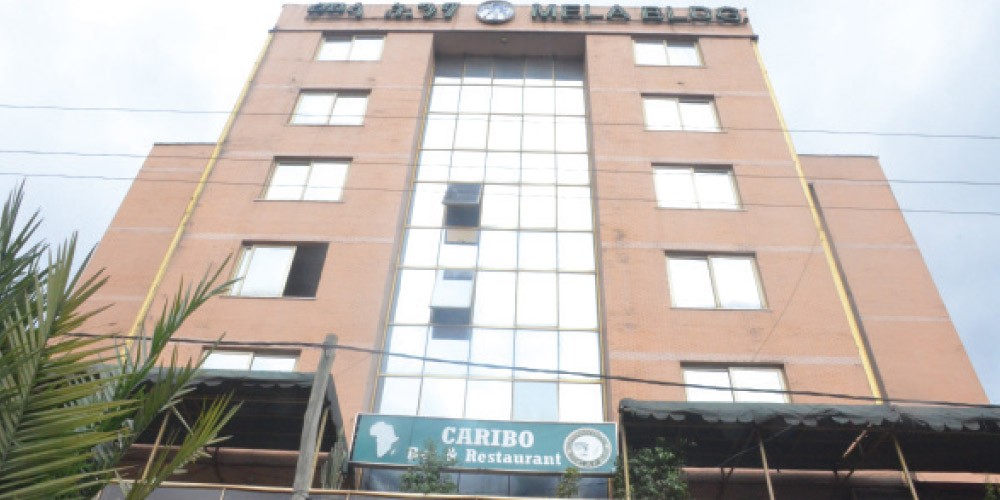
Investors from Ethiopia’s far-flung Diaspora are helping shape the country’s economy. This is especially true of the service sector. According to the Ethiopian Investment Commission, Diaspora investors have implemented 421 businesses in the hotel and restaurant sub-sector since 1999. Studies suggest that a friendly business environment is likely to expand the influence of these investors, especially in the fields of healthcare and financial services. To that end, the government is pursuing policies to make investing easier for this community. But has enough been done? EBR’s Tamirat Astatkie spoke with business owners and government representatives to learn about the realities on the ground and what’s being done to make investing easier for the Diaspora.