BEGGING-AS-A-WAY-OF-Life.jpg

The streets of Addis Ababa and other major cities are filled with beggars – especially rural migrants. Many people are often physically handicapped, unable to provide for their families or lack other options to earn a stable income. Research on the topic finds that begging can be especially detrimental for young children, who often forsake their formal education, furthering the cycle of poverty. However, as EBR’s adjunct staff writer Meseret Mamo reports, there are efforts to quell the factors that lead to begging, but even these programmes face challenges.


Tsgabu.jpg

While Ethiopia has produced famed cyclists, it has never garnered as much popularity as athletics or football. However, this year, when Tsgabu Gebremariam became the first Ethiopian to participate in the prestigious Tour de France, it shed light on the potential of the sport in the country. Some insiders say youth are a promising demographic, since many cities have ideal training environments. EBR’s adjunct writer Abiy Wendifraw spoke with cycling insiders about the significance of Tsgabu’s career trajectory and developing a more robust presence of the sport in Ethiopia.


A chronic housing shortage is one of the grimiest realities in Addis Ababa. The problem is manifested in squatter settlements, living in squalid and overcrowded conditions without regard for health and safety, long commutes, abject poverty, and exorbitant rent with minimum rights for tenants. The capital has vast slums. The inner-city, which covers 12Pct of the land, of which 70Pct is comprised of government- owned mud houses, is home to 40Pct of the population, according to the Central Statistical Agency.


A Population Growth Perspective

In the past, Ethiopia has experienced different defining moments that have allowed it to survive for thousand years. One moment, for instance, was the war against colonialist Italy during the second half of the nineteenth century, which culminated in the Battle of Adwa. Today, Ethiopia has to choose another defining moment to ensure the material well-being and unity of the people and survival of its cultures: Embracing industrialisation-led structural transformation.


Schulze.jpg

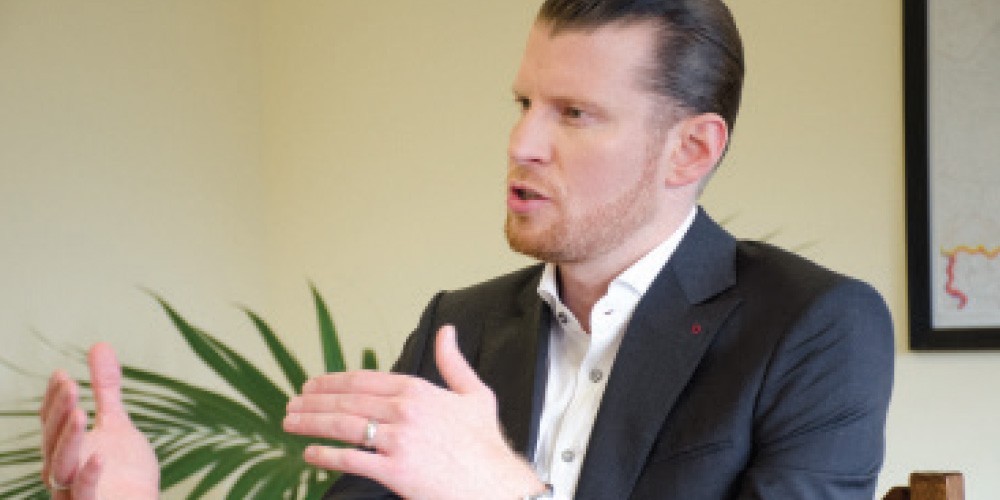
While private equity is a relatively new concept in Ethiopia, some investors have hit the ground running, providing local companies with capital and capacity building that are otherwise difficult to find. One such firm is Schulze Global Investment. Its CEO, Gabriel Schulze, says his investment philosophy is focused on ‘frontier markets’. According to their website, these provide unique benefits because “their growth is often driven by factors that are intrinsic to the market – such as efficiency gains from the introduction of new technologies or management techniques.” In turn, they provide greater returns and investments have a significant impact on the local economy.


Brexit.jpg

On June 23, 2016, the United Kingdom’s citizens voted to leave the European Union, sparking buzz and market volatility throughout the world. However, the impact the ‘Brexit’ will have on the numerous countries that rely on aid from the UK has remained relatively silent in post-referendum conversations. This is an especially pertinent question for Ethiopia, which received just over USD432 billion in aid from the UK in 2014. EBR’s Samson Hailu explored the issue to learn more about the potential implications of Brexit and what it means for Ethiopia.


Advertising-in-Ethiopia.jpg

A Sector Trapped by ‘Bold’ Individuals with Limited Competence

Companies use advertising to relay messages about their products in an attempt to sell them to the public and increase market share. A study by the World Federation of Advertisers demonstrates that the practice can have a positive impact on economic growth. However, in Ethiopia, industry insiders and regulators say that the sector is plagued by a lack of professionalism and creativity, among other issues. EBR’s Tamirat Astatkie spoke with key stakeholders to learn more about the country’s growing advertising industry.


Should-Ethiopia-Integrate.jpg

Local manufacturers face a cavalcade of challenges – foreign currency shortages, import logistics, and frequent power outages, among other things. However, a number of benefits are afforded to those who focus on exporting their goods. The underlying logic is to promote manufacturing and increase export earnings. But is this the best way forward? Some economists and local manufacturers say that a policy that focuses on the local market would benefit Ethiopia’s economy in the long run. EBR’s Ashenafi Endale spoke with industry insiders to learn more about the details of this debate and offers this report.


Tackling-Malnutrition.jpg

Food shortages are still a problem affecting millions of people living in Ethiopia. The problem is perhaps felt most acutely among children, who may suffer an inability to attain information in school due to hunger or malnourishment. A number of organisations are working to improve the situation for hundreds of thousands of school-aged children in an effort to increase educational attainment. EBR’s adjunct staff writer Meseret Mamo spoke with educators and those working to quell child hunger to learn more about the efforts to reduce its prevalence and improve educational outcomes.


Football-Referees-Face.jpg

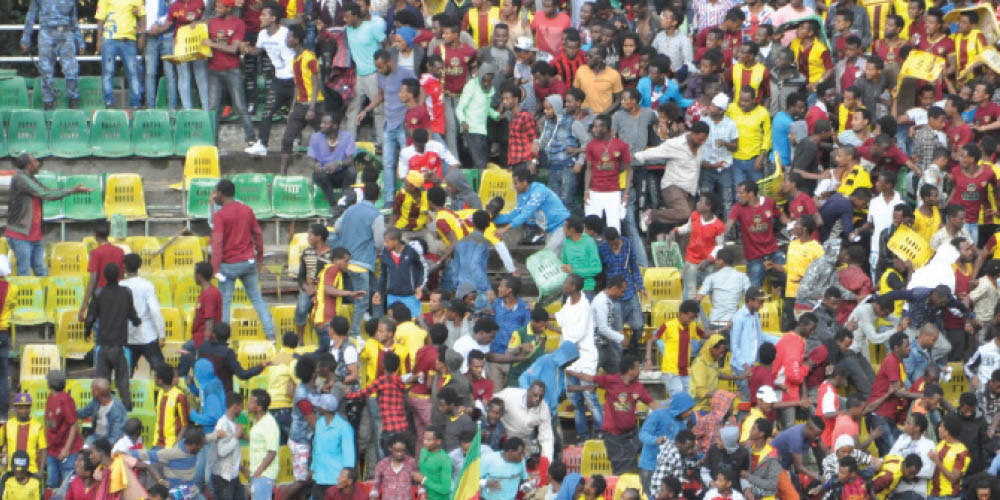
Ethiopian football matches are often sites of clashes between fans and referees. This dynamic is particularly heightened during high-stakes matches for championship titles or between rival teams. Some argue that officials who preside over matches need to be better trained and equipped to deal with the fast-paced, often dangerous nature of the sport. EBR’s adjunct staff writer Abiy Wendifraw used these clashes as an opportunity to learn more about the challenges of refereeing in Ethiopia and what needs to be done to improve the profession.


Ethiopian Business Review | EBR is a first-class and high-quality monthly business magazine offering enlightenment to readers and a platform for partners.


2Q69+2MM, Jomo Kenyatta St, Addis Ababa

Tsehay Messay Building

Contact Us

+251 961 41 41 41