regional-growth-varies.jpg

In Ethiopia, some regional states are more developed than others while the rest remain behind in terms of economy, investment and trade as well as social and infrastructural development. The wealth distribution among the regions is not also fair. Despite the substantial regional inequality, tackling the wide gap still remains a big challenge. In the past, there were different policy prescriptions put forward to manage the inequality, but none of them were able to bring a solution to the growing inequality among regional states, largely because of the politicization of the matter. EBR’s Ashenafi Endle explores.


Time of happiness with big stress

Wedding planning and related expenses bring a serious financial strains to a new relationship. Although it is supposed to be the happiest time in a couple’s life, it is not an easy task to pursue. When couples imagine their dream wedding, the price tag is usually not part of that fantasy. In fact, with the rising cost of living, many have stopped organizing big weddings. But this does not mean for even a small one they won’t incur much. Anecdotal evidences suggest that an average wedding costs between ETB100, 000 to as much as millions of Birr in urban areas like Addis Ababa. EBR’s Kiya Ali explores the issue.


avocado-the-next-coffee.jpg

Despite its importance and better productivity, little attention is given to the production of avocado in Ethiopia. Excluded from the extension programs run by the government, there is no support system deployed to help avocado farmers. Nonetheless, the consumption of the super nutritional fruit is growing throughout the country as people started to use it in different forms including as an edible oil. Understanding the potential of the fruit, many are joining the avocado market which is also bringing in a considerable amount of foreign currency into the country. EBR’s Ashenafi Endale explores.


growing-gift-delivery.jpg

Businesses that deliver gifts are growing in Addis Ababa. First, it started as a service mainly used by the diaspora community. But lately, the locals are also embracing it. While this has become a source of revenue for many, it has helped individuals save time and strengthen social ties with their loved ones. EBR’s Ashenafi Endale explores.


ethiopia-tries-to-diversify.jpg

For long, Ethiopian athletes are known more for long distance running, largely 5,000m, 10,000m and marathon. Meanwhile, relatively short-distance running disciplines, including the 800m, 1,500m and 3,000m, were largely ignored despite having an immense potential. However, at the Doha World Athletics Championship, Ethiopia came close to rewrite its history after its elite athlete, Lemecha Girma, edged close to win a gold medal in the 3,000m men steeplechase championship where he won silver by microseconds. EBR adjunct writer Abiy Wendifraw, who was at the championship held at Doha, Qatar, reports.


the-invisibles.jpg

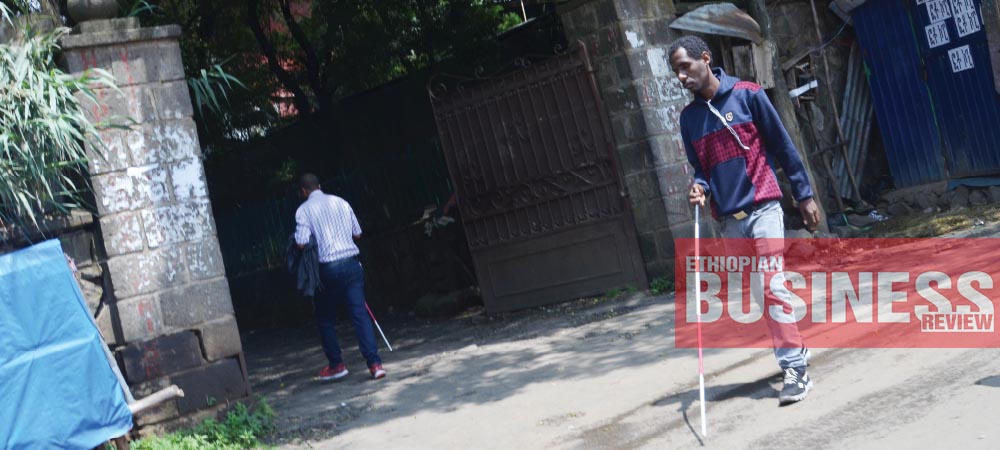
Infrastructure Developments Fail to Accommodate the Needs of Disabled Persons

Despite accounting for 17.6Pct of the population, people with disabilities are often note very well taken into consideration in many development projects in Ethiopia. Most Infrastructure is developed without taking into consideration their mobility and other physical challenges. For the deaf or visually impaired, most of the streets are not friendly. While sidewalks end abruptly and ramps which are the only means of getting in and out of premises, are so steep that wheelchairs sometimes overturn. In addition, apartment houses are constructed without accommodating the special needs of people with disabilities, as is with malls and buildings of government offices which are built recklessly with no elevators and ramps. EBR’s Kiya Ali explores.


museum.jpg

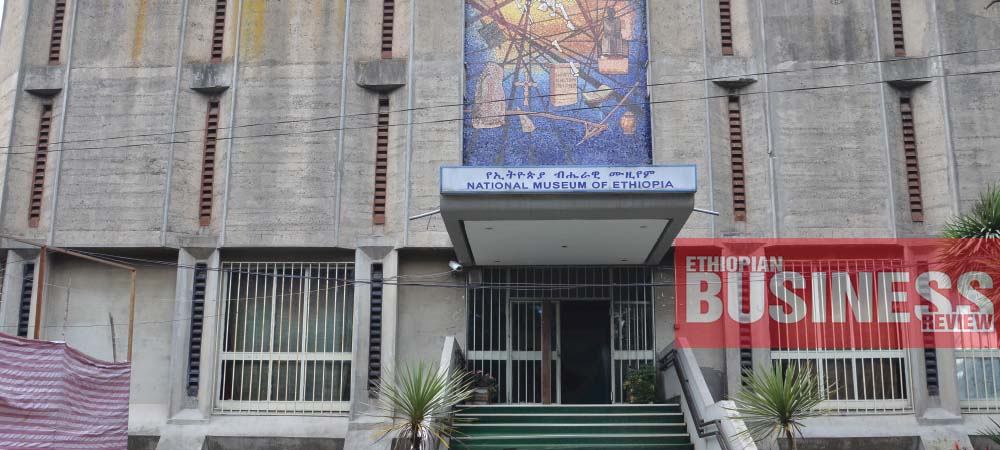
Museums are an important place to learn about the history and culture of any country. But this does not seem to be well-understood in Ethiopia where museums are handled unprofessionally and are exposed to damages. While most museums don’t have enough facilities and are not well-preserved, they are also not visited by many tourists because of their poor records. EBR’s Kiya Ali explores.


In Ethiopia, video film production started soon after the collapse of the Dergue regime in 1991. Since then, Ethiopia witnessed the rapid growth of the local film industry when young filmmakers began to produce documentary and fiction films with the help of digital filmmaking technologies. The technological revolution resulted in the rise of audiovisual productions that accelerated quickly. In present day Ethiopia, 100 feature films, from true stories to fictions, are produced every year.


fiscal-federalism-elusive.jpg

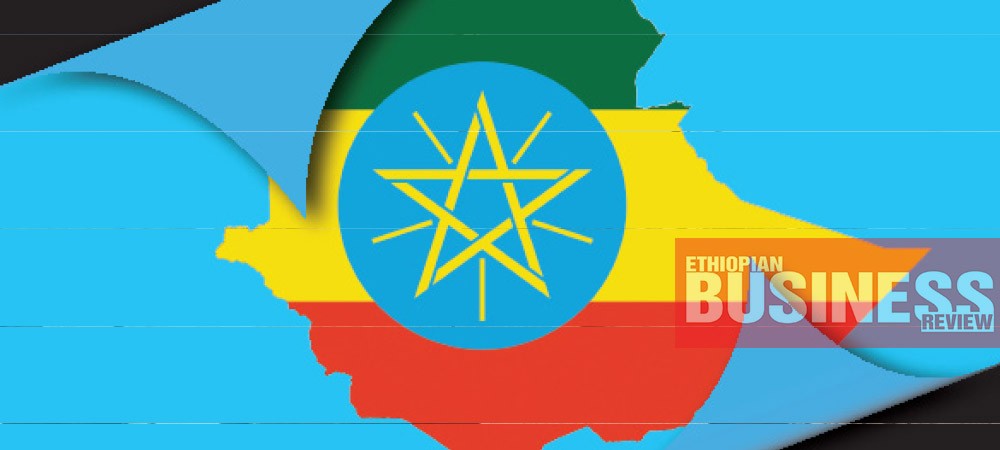
It was in 1995 that Ethiopia adopted federalism. The constitution also gives ultimate power to regions which formed the country. Although regions seem autonomous and independent, they have been losing economic power and have been surviving on subsidies from the central government. This makes Ethiopia’s fiscal federalism to be based on solidarity finance allocation from the center. This confusion is causing friction among regions and the federal government. EBR’s Ashenafi Endale explores.


Ethiopian Business Review | EBR is a first-class and high-quality monthly business magazine offering enlightenment to readers and a platform for partners.


2Q69+2MM, Jomo Kenyatta St, Addis Ababa

Tsehay Messay Building

Contact Us

+251 961 41 41 41