doro.jpg

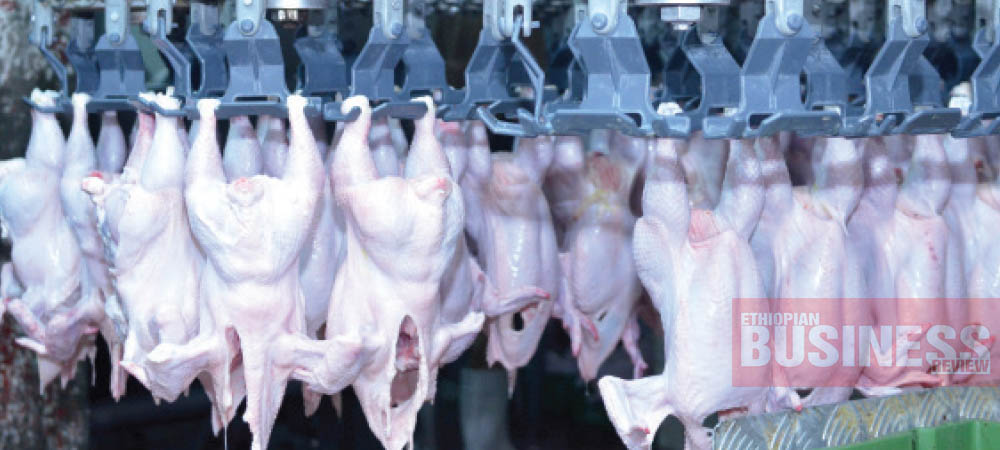
Despite having an immense potential, poultry farming is still at its infancy in Ethiopia. Commercial poultry production is characterized by a large number of small-holder farms, and few medium to large scale poultry farms. Production is concentrated mainly in the Addis, Bishoftu and Adama areas, with some small concentrations around northern and southern rural towns. Farmers lack basic knowledge on good poultry keeping practices and the inputs needed (feed, vaccines, drugs, and hardware such as drinkers and feeders) are scarcely available. Meanwhile, the demand for poultry is growing in a market which is characterized by seasonally fluctuating prices owing to religious fasting periods. EBR’s Ashenafi Endale explores.

unity-park-2020.jpg

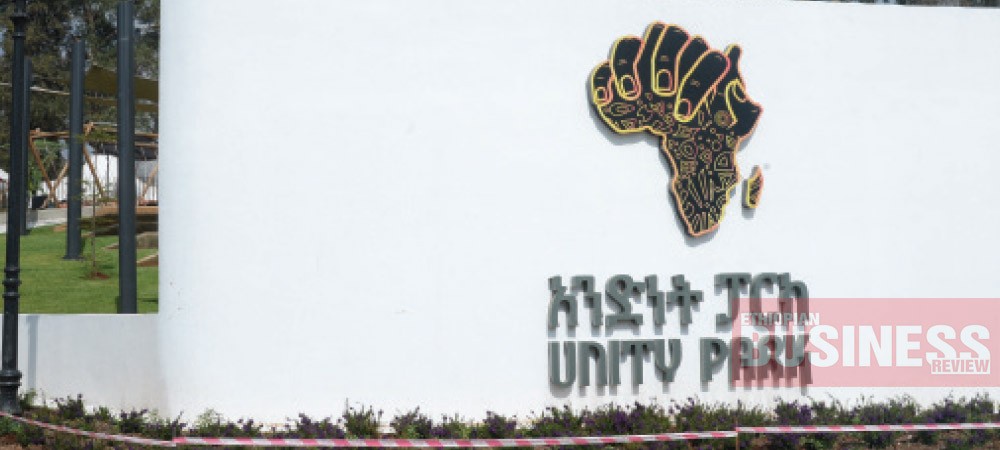
Once home to emperors of the imperial times of Ethiopia, and later serving as a torture facility for Dergue regime, Unity Park has become the talk of the town since its opening three months ago. Financed by the United Arab Emirates, the construction of the Park cost more than USD160 million. The park displays what Ethiopia looked like during the 19th and 20th centuries along with Ethiopia’s great and recent emperors, including Emperor Menelik II and Emperor Haile Selassie, both of whom are featured with life-size waxwork statues. It also features the post-1991 political works of EPRDF-led government in the form of sculptures in the garden, representing the nine ethnic-based regional states. EBR’s Kiya Ali, who visited the park last month, explores.


kenya.jpg

For an Ethiopian who has not been there before, groups of people who play music loudly in the middle of sidewalks and colorful matatus are distinct characteristics of Kenya’s capital, Nairobi. A Pentecostal preaching the Bible on the side of the road, long queues for transportation, and deafening music from boutiques, on the other hand, are commonalities the city holds with the Ethiopian capital Addis Ababa. EBR’s Kiya Ali, who visited Nairobi last month, explores.


abebech-gobena.jpg

Abebech Gobena defines selfless giving, even losing her marriage to help someone in dire need of help. Life-long friends and colleagues witness her altruistic acts. Indeed, she is a living testament that someone’s inner candle will not go off as long as it lights up another candle. Her endeavors range from caring for children in need as well as economically developing other members of her community. Her work is perhaps the first of its kind in Ethiopia—an inspiration to many—and her name and goodwill will live long. EBR’s Kiya Ali looks into this exceptional woman’s life and work.


gomeju.jpg

Not more than 10 oil suppliers were operational in Ethiopia a decade ago. Now that is just history. The number has now tripled, reaching 33 as of December 2019. Not only this, the ownership structure of these companies has also changed greatly. While oil suppliers established a decade ago were largely owned by foreigners or big corporate, they are now being replaced by locals. But making a profit and staying afloat has not been easy for the majority of them, largely because of the low profit margin set by the government and shortage of forex needed to import lubricants and bitumen. EBR’s Ashenafi Endale explores.


football-federation.jpg

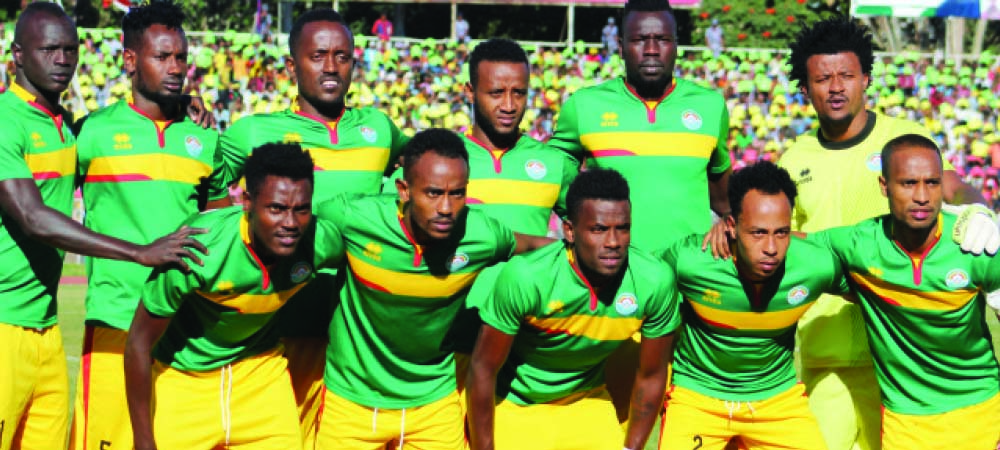
Shortage of finance is a common problem faced by Ethiopian football clubs, largely because of the hefty salaries paid to footballers and the declining revenues from tickets. Now, it is also time for the Ethiopian Football Federation to face a similar reality. While this is already portrayed by the tournaments and competitions that the Ethiopian National Team is missing, it is feared that this will be further exacerbated as clubs start to be more stringent in releasing finance to the governing body. EBR’s Abiy Wendifraw explores.


art_life_83.jpg

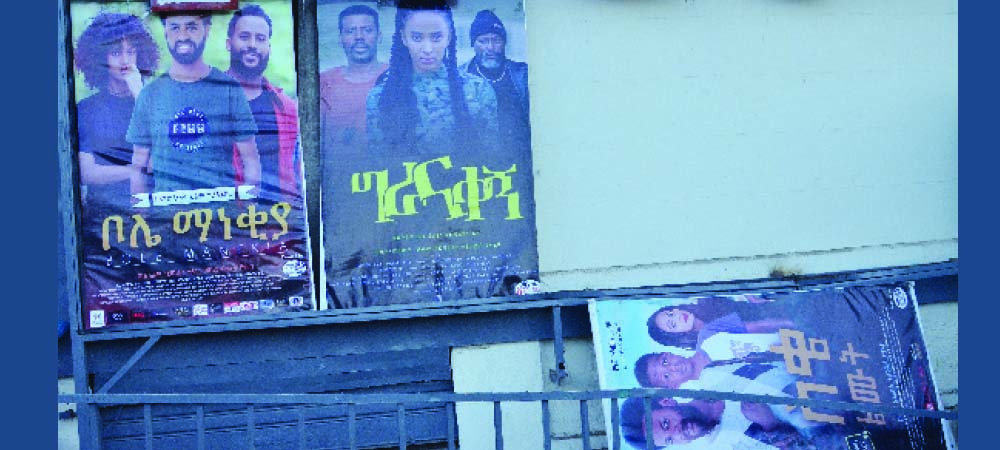
It is long known that the local Amharic language film industry is struggling. Long gone are the heydays of the sector, now dominated by cinema hall corruption, increasing costs, lack of creativity, imitation of foreign films and a lackadaisical audience. Though there are high quality films released, audiences seem to have been numbed by the sheer number of inferior movies. To bring the sector out of its slumber, industry insiders recommend tapping into Ethiopia’s rich pool of cultural and historical assets, implementing knowledge-based film making, recognizing the broad-based positive impact of cinema, and garnering due attention from government bodies. EBR’s Kiya Ali takes a look.


Recently, global hegemonic institutional neo-liberal financial arms (IMF) have pledged around three billion US dollars and vow to do more for the so called “home-grown financial reform”—FX regime and capital account liberalization. To assure this credit wave, there were diplomatic rallies made by different state actors, including Prime Minister Abiy Ahmed (PhD.), to the Paris Club of creditors.


Ethiopian Business Review | EBR is a first-class and high-quality monthly business magazine offering enlightenment to readers and a platform for partners.


2Q69+2MM, Jomo Kenyatta St, Addis Ababa

Tsehay Messay Building

Contact Us

+251 961 41 41 41