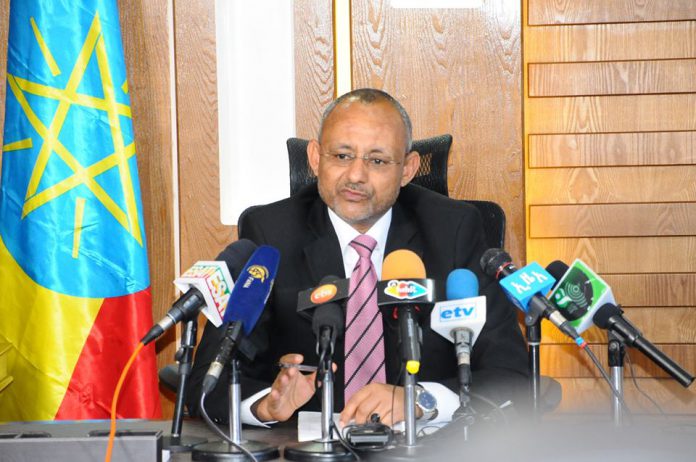
IMF-News-©Addis-Standard-1024x512-1.png

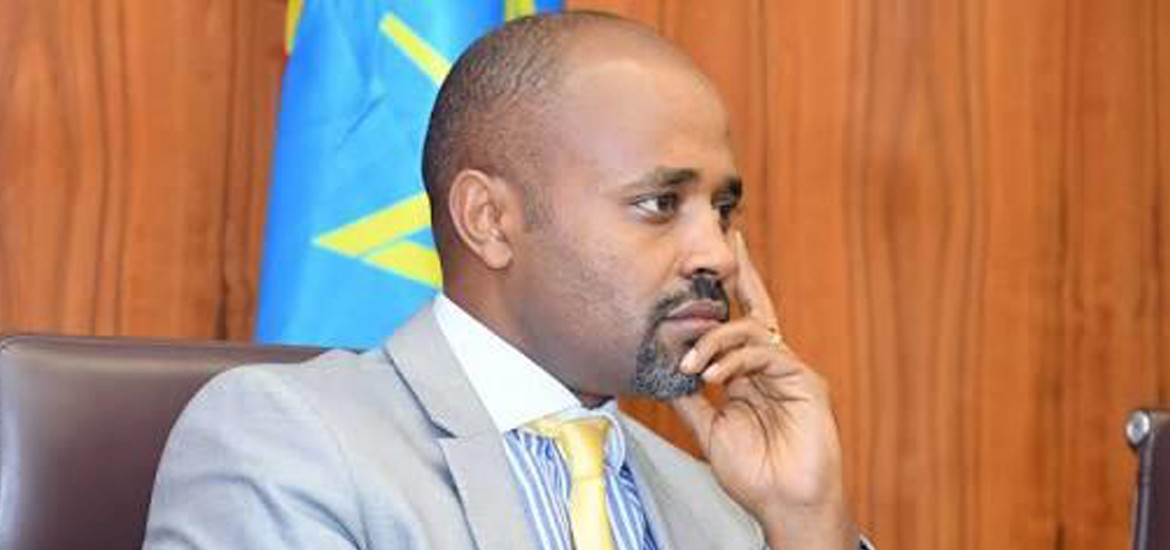
The International Monetary Fund approved USD411 million for Ethiopia, under the Rapid Financing Instrument, in order to help the country meet its ‘urgent balance of payment needs stemming from the COVID-19 pandemic.’

The Fund’s Board approved Ethiopia’s request for relief on debt service until October 13, 2020 of about USD12 million. This relief could be extended up to April 13, 2022, and will be subjected to the availability of resources.


Iceland has topped the Global Gender Gap Index for the 11th year in a row, according to the World Economic Forum’s Global Gender Gaps Report published last month. In 2020, the forum surveyed 153 countries. The highest possible score is 1 (total equality) and the lowest score is 0 (total inequality). Economic participation opportunity, educational attainment, health, survival, and political empowerment are factors taken into consideration in calculating the index.


hawasa-industry-park_2.jpg

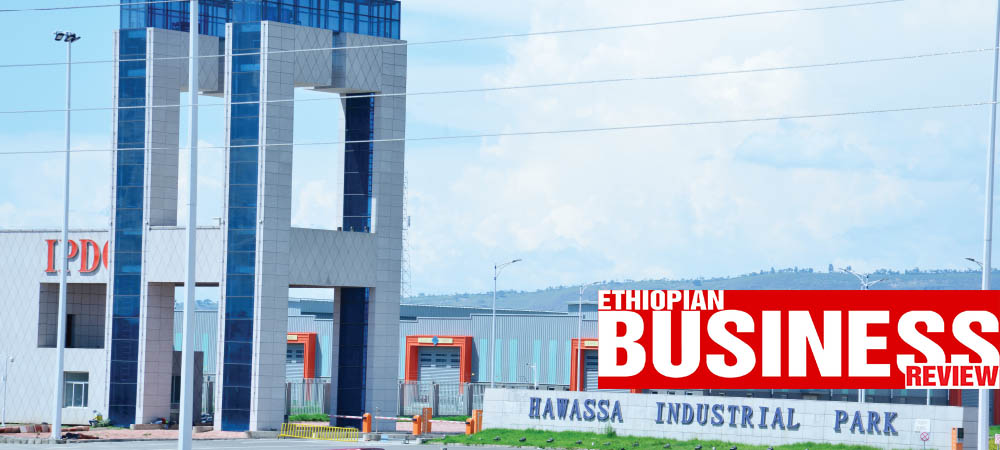
For over half a decade, Ethiopia has been crowned as one of the preferred destinations for foreign direct investment (FDI). Just three years ago, the country was ranked second in Africa. FDI remains a highly politicized concept and contrasts to the reality on the ground. Actual FDI capital inflow represents a small portion of the reported figures of FDI into the country. Even then, both are now in their worst shape, largely because of the political instability in the country and bureaucratic hurdles, among others. EBR’s Ashenafi Endale investigates.


food-insecurity.jpg

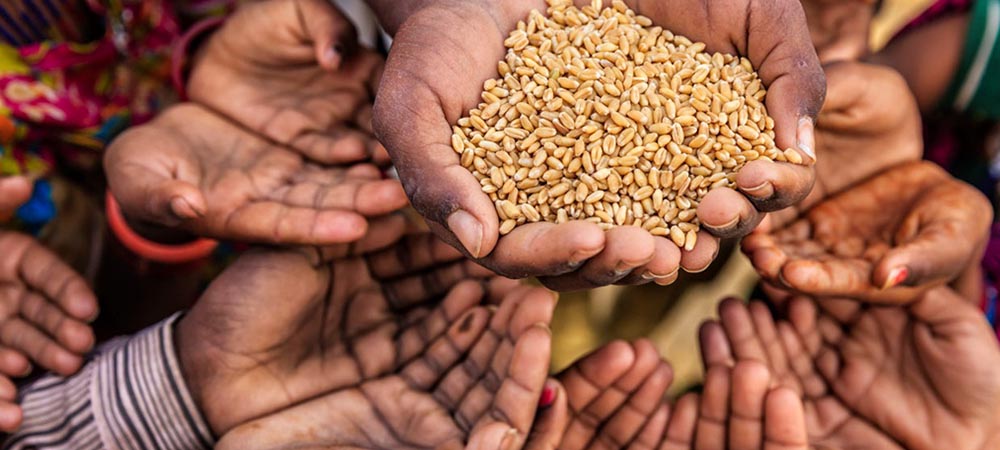
Food insecurity remains a key challenge for Ethiopia. More than eight million people are in need of urgent assistance and 70Pct of the country’s population earns below USD1.9 a day. More than 30,000 children, on average, with severe acute malnutrition (SAM) are admitted for treatment every month. Internal conflicts and climatic shocks adversely impact people’s livelihoods, making them unable to meet their basic needs, while exacerbating the food insecurity situation in the country. The failure to transform the agriculture sector, whose contribution to the economy has declined but remains a source of revenue for over three-fourths of the population, has made many food-insecure. EBR’s Ashenafi Endale explores.


Ethiopian Business Review | EBR is a first-class and high-quality monthly business magazine offering enlightenment to readers and a platform for partners.


2Q69+2MM, Jomo Kenyatta St, Addis Ababa

Tsehay Messay Building

Contact Us

+251 961 41 41 41