vehicles-remain-unaffordable.jpg

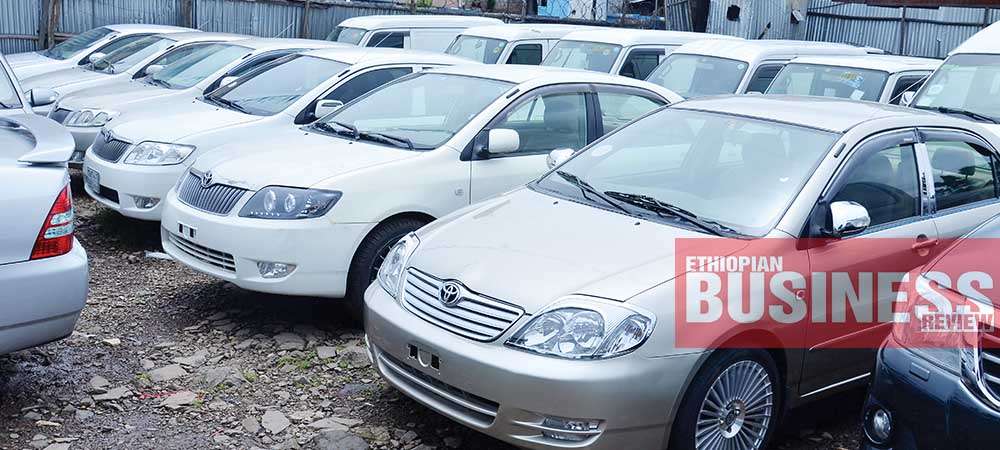
Buying a car continues to be a daunting task in Ethiopia. Because of its unaffordability, many are forced to become commuters. Although there is hope that it would decline soon following the pledge of the government to reduce taxes on new cars, the price keeps on increasing every day. The local assemblers are also not in a position to fill the existing gap as they sell their cars for a price equal, if not higher, compared to the imported ones. The spike in the price of cars is also worsening the income inequality and implies that the value of the local currency is dwindling against the basket of major foreign currencies. EBR’s Kiya Ali reports.

taxi-hailing-taking-root.jpg

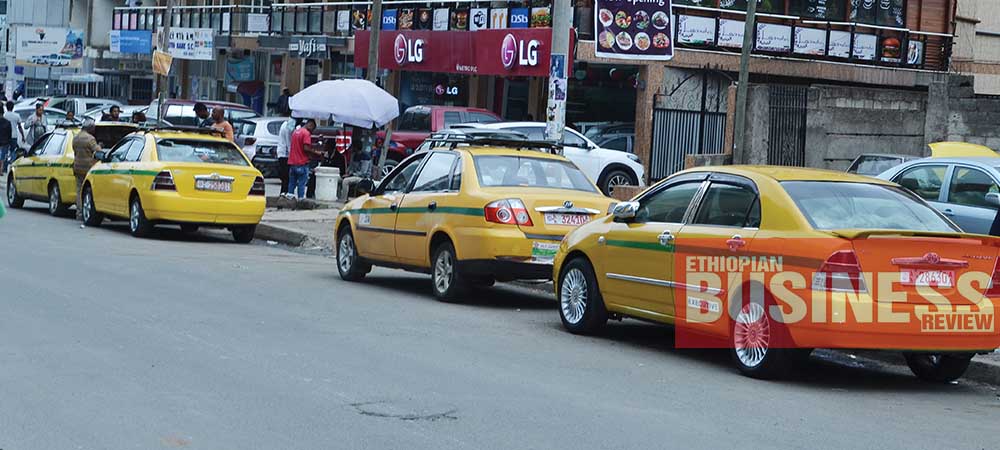
Taxi-hailing services that use online-enabled platforms to connect passengers and drivers are becoming common in Addis Ababa. With the help of apps, these service providers are enabling customers to hail a cab and allow users to pay flat fare in advance, contrary to the metered taxis. The number of companies that provide such services are now six, an increase from two just three years ago. EBR’s Kiya Ali explores the progress of these companies as well as the challenges facing them.


joro-shanko.jpg

The use of traditional bonesetters to treat musculoskeletal injuries is common in Ethiopia. Joro Shanko, who lost her sight while in grade five, is the most sought after by many in this regard. Gaining popularity among urbanites in Addis Ababa, she is known for healing many suffering from bone fractures and various complications. EBR’s Kiya Ali visited Joro at her house, where she provides services to her patients, to learn what makes her distinct.


Asgegnew-Ashko.jpg

Born in Gamo Gofa in the southern part of Ethiopia, Asgegnew Ashko accidentally became a singer while presenting a poem in an event held in Wolaita. Soon after realizing his skills, he was lucky enough to win the hearts of many Ethiopians living in the country and abroad. He has been able to garner more than 12 million views from his eight songs listed on YouTube and present his works in more than 15 countries and three continents. EBR’s Kiya Ali sat down with the 28-year-old singer to learn what makes him unique.


green-areas-expanding.jpg

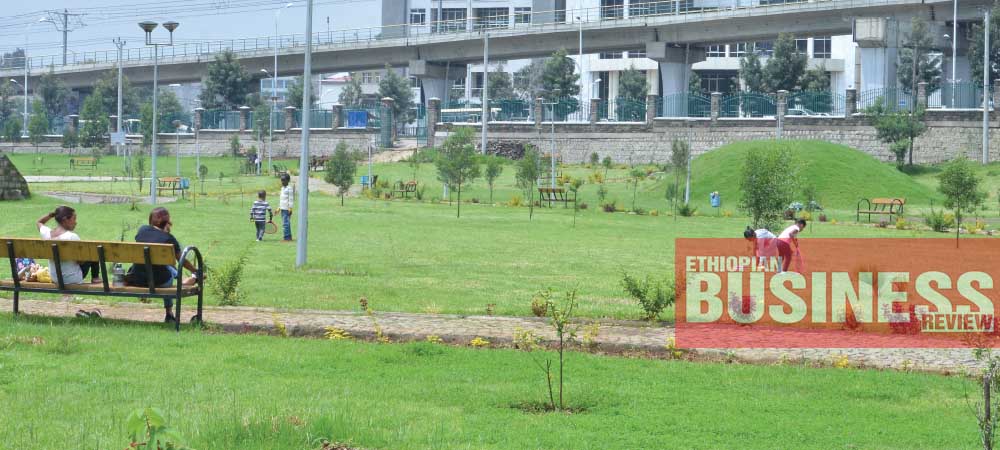
Construction has boomed in Addis Ababa over the past decade. Shiny new high-rise blocks and shopping centers mushroomed all over the city, and the cranes dotting the skyline hint that more are on the way. Meanwhile, parks and green spaces became victim to urbanization, as private landowners and the state continuously look for space to build. Now, there are only 20 parks in the capital, which has more than four million residents and additional hundreds of thousands who go in and out of the city every day. Only 0.18Pct of Addis Ababa’s land mass is covered by parks and gardens. To improve the situation, the city administration embarked on various projects that targeted building of parks and green spaces. EBR’s Kiya Ali reports.


Gains-Pitfalls-of-Raising-.jpg

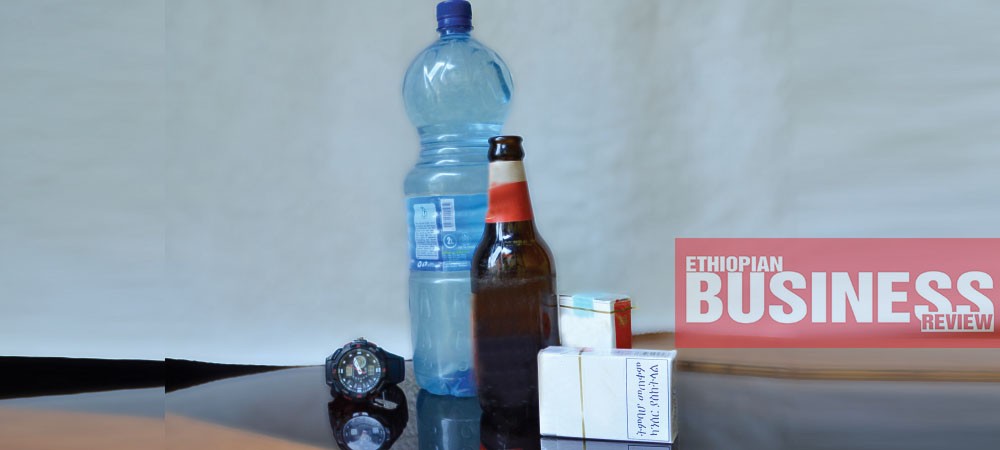
Excise tax contribution to the total tax revenues has been decreasing in the past decade, but this will be reversed very soon. The government is planning to increase excise tax levied on items including tobacco, alcoholic products, and vehicles. Many worry that this would bring unintended consequences, including paving a way for the illegal market to thrive, on top of exposing consumers to higher prices. EBR’s Kiya Ali delves into the subject to offer this report.


domestic-violence-.jpg

Domestic violence is a global pandemic and a form of human rights violation. One in three women experiences violence from an intimate partner worldwide. This is more common in developing countries in general and Ethiopia in particular. With the rising level of reported abuses against women by their intimate partners, the problem has become a cross-cutting issue interlinked with everyday routines. EBR’s Kiya Ali spoke with victims, psychologists, government officials and legal experts to shed light on the matter.


hager-fikir.jpg

Antique Theatre House, Desperate for Change

Established in 1935, Hager Fikir Theatre is the oldest indigenous theatre in Africa. Known for its immense contribution during the patriotic resistance against the Italian aggression, the Theatre passed through many challenges while producing hundreds of plays largely aimed at uniting the citizens of the country. Being a place where many Ethiopian renowned artists were nurtured, the Theatre contributed greatly in the growth of modern music and drama. In connection with its 84th year anniversary, EBR’s Kiya Ali profiles the Historical Theatre.


arba-minch.jpg

A Town Blessed by Nature Facing Modern Challenges

Located 454km from Addis Ababa in the southern part of Ethiopia, Arba Minch is home to more than quarter a million people. The town is also a habitat for various aquatic and wild animals. Because of the good climatic condition, the area is also conducive for several varieties of fruits and vegetables.
Arbaminch’s natural endowment is a great factor for the growth of tourism in the town. This has contributed for a burgeoning hospitality industry which has grown by leaps and bounds in recent years. However, mainly because of human factors, these natural resources are at risk of perishing. EBR’s Kiya Ali, who visited the naturally endowed town recently, reports.


an-influx-of-islamic-banks.jpg

The Likely Impact of Interest Free Banking on the Financial Sector

In 2010, there were few Islamic banks under establishment in Ethiopia. However, they failed to open their doors because the government prohibited the provision of full-fledged interest free banking in 2011. Until now, interest free banking services are provided by conventional banks at a single window level. However, things have started changing after Prime Minister Abiy Ahmed (PhD) gave a green light to the formation of the much awaited banks recently. Consequently, five Islamic banks are preparing to float shares, while few more are under establishment. Will the entrance of these new financial institutions change the banking industry? EBR’s Ashenafi Endale & Kiya Ali report.


Ethiopian Business Review | EBR is a first-class and high-quality monthly business magazine offering enlightenment to readers and a platform for partners.


2Q69+2MM, Jomo Kenyatta St, Addis Ababa

Tsehay Messay Building

Contact Us

+251 961 41 41 41