


 Ethiopian Business Review
The Ethiopian government is mobilizing USD2.2 billion from international and bilateral lenders to implement policy measures aimed at reducing the macroeconomic impacts of COVID19.
The Ethiopian government is mobilizing USD2.2 billion from international and bilateral lenders to implement policy measures aimed at reducing the macroeconomic impacts of COVID19.

The government plans to harvest 880,000 quintals of wheat in lowland areas during the coming Meher Season. The expected yield is almost six times the amount harvested during the same period last year.
The irrigation project, which is being implemented with the help of the Ethiopia Institute of Agricultural Research in lowland areas, including Awash, Shebelle and Omo, aspires to fully substitute imports of wheat within two years.

Ministry of Trade and Industry announced that USD100 million will be availed to manufacturers that are currently producing way below their production capacity due to raw material shortage.
The move comes at a time when the government is rushing to buy food stocks as Coronavirus disrupts local and global supply chains.
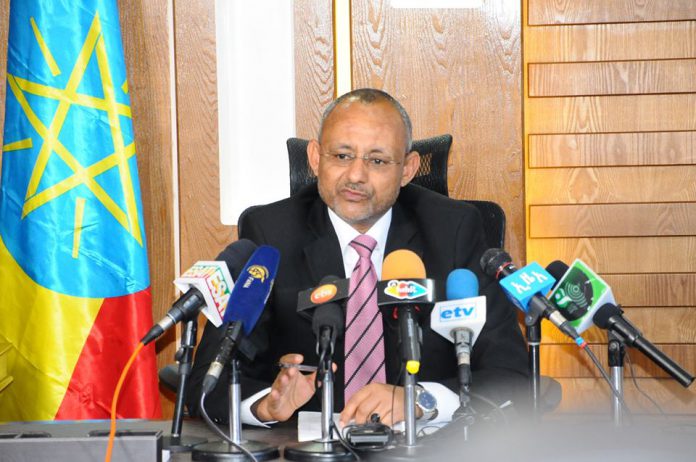
Ethiopia’s federal government collected taxes worth ETB183 billion in the last nine months, achieving 96Pct of its target, despite fears it would fall because of the COVID-19 induced economic crisis.
It is also 25.6Pct higher than that of the amount registered during the same period last year.
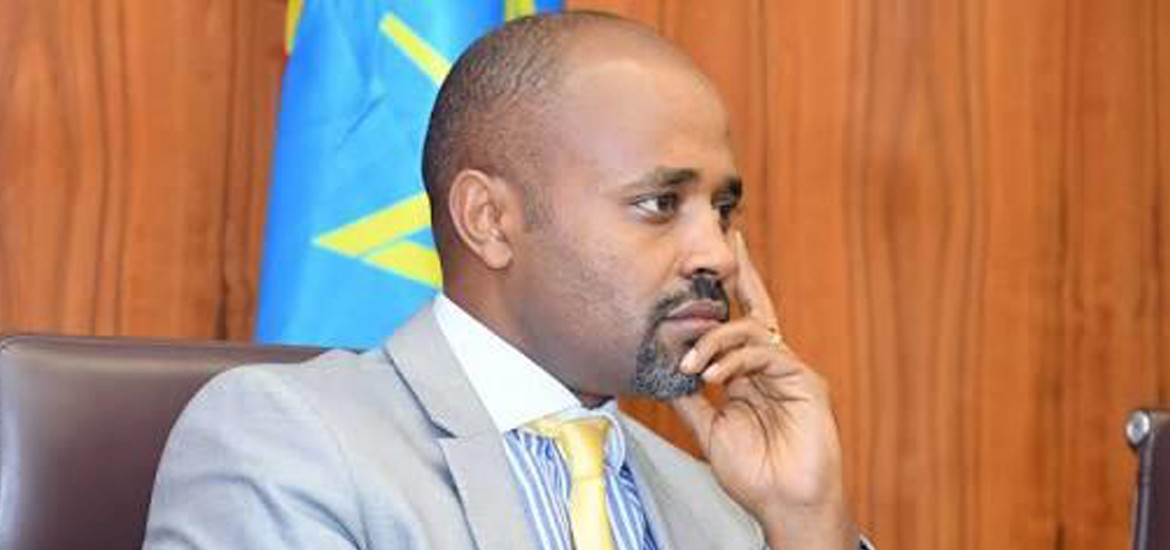
The Council of Ministers approved a decision to give one month grace period for businesses to report and settle VAT payments. Pension contributions payment period is also extended to July 8, 2020, although this is supposed to be settled every month.

Ethiopian Airlines extended its cargo destinations from 56 to 75 globally since the COVID-19 crisis. The move comes as the aviation giant attempts to offset its loss in revenue from passengers.
During March 2020 alone, Ethiopian transported a total uplift of over 45,848 tons of cargo to different parts of the world, deploying both its freighters and passenger fleet.

Hotel occupancy rates in Addis Ababa are now as low as two percent as coronavirus casts shadow over the hospitality industry, according to a survey by Addis Ababa Hotel Owners Association.
88 members of the association decided to partially or fully stop operations. During the last fiscal year, the occupancy rate of hotels was around 64Pct.

The International Monetary Fund approved USD411 million for Ethiopia, under the Rapid Financing Instrument, in order to help the country meet its ‘urgent balance of payment needs stemming from the COVID-19 pandemic.’
The Fund’s Board approved Ethiopia’s request for relief on debt service until October 13, 2020 of about USD12 million. This relief could be extended up to April 13, 2022, and will be subjected to the availability of resources.

Ethiopia’s export earnings from coffee keep portraying unanticipated growth despite the impact of COVID-19 on global trade activities.
The country exported USD96.5 million worth of coffee last month. This is 5Pct high compared to the same period last year.
Frequent power outages and no running water for days are part of normal life in Ethiopia. The state of public transport has worsened in big cities like Addis Ababa while it is nearly non-existent in small towns. Citizens still have to wait in long queues for hours to access public service that does not come cheap anymore.