Glasshalf-Empty.jpg

Many Think NBE Bill Will Make Private Banks Grow, but Fear Liquidity Crunch

In March 2011, the National Bank of Ethiopia (NBE) came up with a policy insisting private commercial banks to buy bonds, using 27Pct of their annual loans and advances, to help finance loans from the Development Bank of Ethiopia. The NBE says this was necessary to strengthen the private sector. Since then close to ETB50 billion has been sacked out from private banks and used to finance investment in manufacturing.
Although the requirement of purchasing NBE bill had negative and significant impact on the liquidity and profitability of the banks, insiders say it has stirred competition in the industry, thereby contributing to improved performance – increased deposit mobilisation and financial inclusion. EBR’s Ashenafi Endale explores the issue further.


Fuelling-Tension.jpg

Fuel’s Small Profit Margin Creates Strain Between Private Sector, Government

Private investors involved in the sale and distribution of fuel know Ethiopia has the smallest profit margin on these goods in Africa – just 1Pct. As a result, investors shy away from the business, thereby contributing to imbalanced supply and demand, even as the number of vehicles in the country increases on a daily basis. To remedy this, the government has stepped in, announcing plans to build fuel stations throughout the capital. However, private sector insiders say they should work instead to improve the profit margin. EBR’s Ashenafi Endale spoke with key stakeholders to learn more about the debate and the growing tension between the public and private sector.


Converting-Honey.jpg

Entrepreneurs try to Boost Honey Production Through Technology

Global demand for honey is on the rise. According to the BBC, global demand almost always exceeds supply, especially in recent years, when bee colonies in the West have been plagued by parasites. This leaves a large window of opportunity for countries like Ethiopia, which produce thousands of tonnes of honey per year. However, insiders say that bee farmers could be doing more to harness the local production capacity – and earn more money from this prized commodity. EBR’s Ashenafi Endale spoke with scientists and farmers to learn more about methods to increase honey production.


Reducing-customs-.jpg

How Do Nations Do so without Victimising Genuine Importers?

While tariffs on customs are a key income generator for developing countries, they also have the potential for misuse. Government agencies may inflate figures to increase tariffs. Importers, however, may under-invoice products to pay lower taxes or increase profit margins. This tension, experts argue, is best solved through a fair and consistent valuation system to help a country earn as much income as possible. EBR’s Ashenafi Endale spoke with key stakeholders and consulted researches to learn more about what’s being done to bring this type of system to Ethiopia.


Focus-On-Results.jpg

The Need for Evaluation Mechanisms in the Public Sector

Ethiopia’s public-led growth model, while partly responsible for the country’s rapid economic growth, isn’t without its faults. Project delays, cost overruns, and potential corruption all plague large-scale public infrastructure projects. Some economists recommend an evaluation mechanism that allows public entities to better track the progress of their projects. But these, too, aren’t always foolproof. EBR’s Ashenafi Endale spoke with experts to learn more about the promise and limits of employing evaluation mechanisms in the local context.


Consumer-Segmentation.jpg

What Are Its Benefits, Drawbacks?

As competition in Ethiopia’s financial sector increases, banks are looking for ways to maintain a competitive advantage. As a result, some have introduced segmented banking for high-end customers – a form of customer service that revolves around targeting clients with lucrative portfolios. Research suggests that this method helps banks increase their profit, but that it isn’t entirely foolproof. EBR’s Ashenafi Endale spoke with banking insiders to learn more about this form of specialised banking and how it’s being implemented locally.


As-Industrialisation-Continues.jpg

Government officials have made no secret of their desire to have the manufacturing sector be a strong component of Ethiopia’s quest towards economic development. This goal, however, comes with environmental concerns, as factories tend to produce waste that gets dumped into nearby waterways. As a result, a number of adverse, long-term health and environmental effects are likely to arise. So what’s being done to tackle this reality? EBR’s Ashenafi Endale spoke with key insiders to learn more about environmental considerations in an era of rapid industrialisation.


Raising-The-Stakes.jpg

Abyssinia’s Salary Increase Propels Banks to Reconsider Employee Retention, Operational Costs

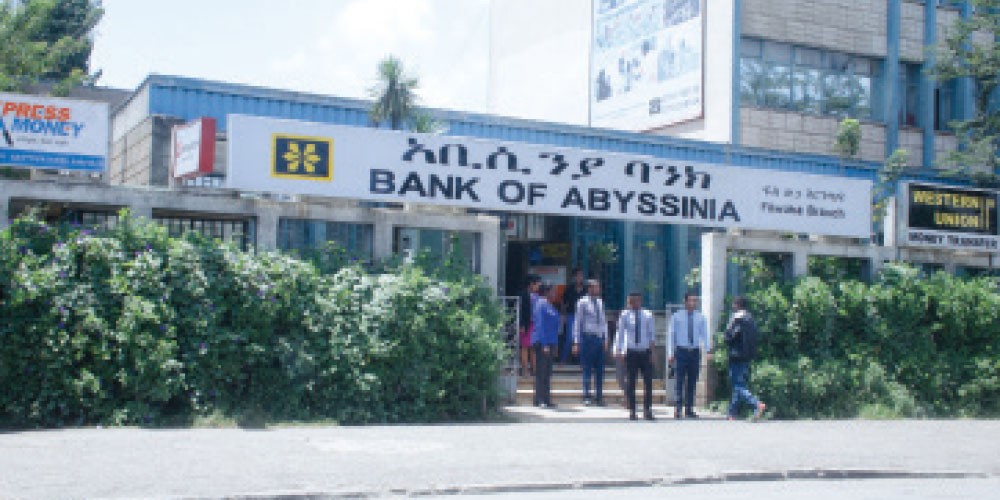
The Bank of Abyssinia’s decision to significantly raise its employees’ salaries has garnered much attention in the banking industry. Most notably, it’s caused some institutions to re-evaluate their pay scales to remain competitive and maintain their employees in an industry especially noted for its human resource scarcity. However, behind the buzz their decision has generated lies an important question: How will increased competition and regulation impact Ethiopia’s still nascent banking sector, especially vis-à-vis human resources? Some argue changes will propel banks to make critical decisions about the efficiency of their institutions, thereby strengthening the overall sector. Others, however, believe these are burdensome and may compromise the viability of some banks. EBR’s Ashenafi Endale spoke with industry insiders and consulted research studies to gain insight into this crucial financial issue.


Only-Modernisation.jpg

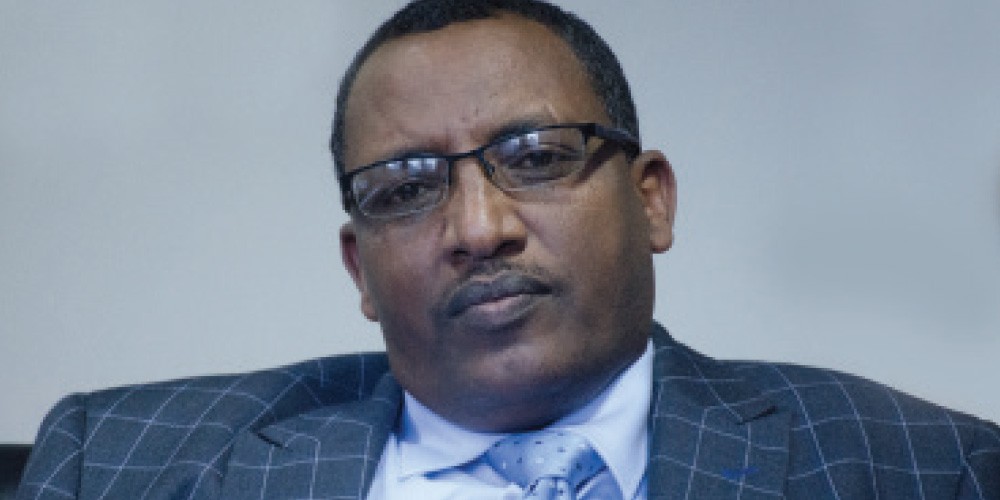
As President of the Bank of Abyssinia (BoA), Mulugeta Asmare has overseen its growth and been at the helm of some impressive feats, not least of which include a 27Pct growth in profits last year. With 600,000 clients and 190 branches, he’s looking towards the future, with plans to increase paid-up capital and the use of banking technologies.
Perhaps his boldest decision to date has been to significantly increase the salaries of BoA employees. This increase, many argue, will have a significant impact on the pay scales of other banks and increase their operating costs. In the first of two interviews with private bank presidents this issue, we discuss the overall implications of the BoA’s decision to increase benefit package for employees.
The first of the two leaders we speak to, Mulugeta believes his bank’s pay increment is a positive development, arguing that it will lead to overall growth in the fledgling banking sector. EBR’s Ashenafi Endale spoke with him to learn more about his decision to increase employee pay and the overall state of affairs in Ethiopia’s banking sector.


They Just Want to Take the Trained Ones from another Bank, with Higher Salary

After an illustrious career with the Commercial Bank of Ethiopia, Abie Sano Mohammed has been leading Oromia International Bank (OIB) since 2009. Despite its relatively recent establishment, it’s already proven to be a formidable force within the private banking sector – with a paid-up capital of ETB950 million, OIB is the tenth largest private bank in the country. Abie, however, says there’s more growth to be done, including their goal to increase paid-up capital to ETB3 billion within four years.
As the second of the two bank presidents we speak to this issue, Abie provides a differing perspective on the topic of increasing operational costs and what they mean for the banking sector’s overall development. He says that there are more pressing issues facing the industry – like technological development and resource mobilisation – that need to be addressed systemically to strengthen the sector and make banks more competitive. EBR’s Ashenafi Endale spoke with Abie to learn more about OIB’s growth trajectory and his thoughts on the future of the sector.


Ethiopian Business Review | EBR is a first-class and high-quality monthly business magazine offering enlightenment to readers and a platform for partners.


2Q69+2MM, Jomo Kenyatta St, Addis Ababa

Tsehay Messay Building

Contact Us

+251 961 41 41 41