Digital-war.jpg

Is Ethiopia Ready for Cyber Warfare?

With the growing use of information communication technologies, more and more organizations are increasingly becoming efficient. Business, education, even health care services are also getting more accessible. However, the battle between online protagonists and antagonists is at its highest point now than before. Ethiopia is no exception. EBR’s Ashenafi Endale consulted with technologists, government officials and research to explore the extent of the problem that the country could face and analyses its readiness to avert the challenges.

Minimum-Wage-SAGA.jpg

An Old Challenge Surfaces in the new emerging Industry Zones

Industrial Parks have multifaceted benefits. They attract foreign investors with financial, technological and management capabilities, resources that least developed host countries are usually in short supply. Countries which fast expanded parks, such as Vietnam, achieved tremendous leap in manufacturing, thereby increasing job creation and export revenues.
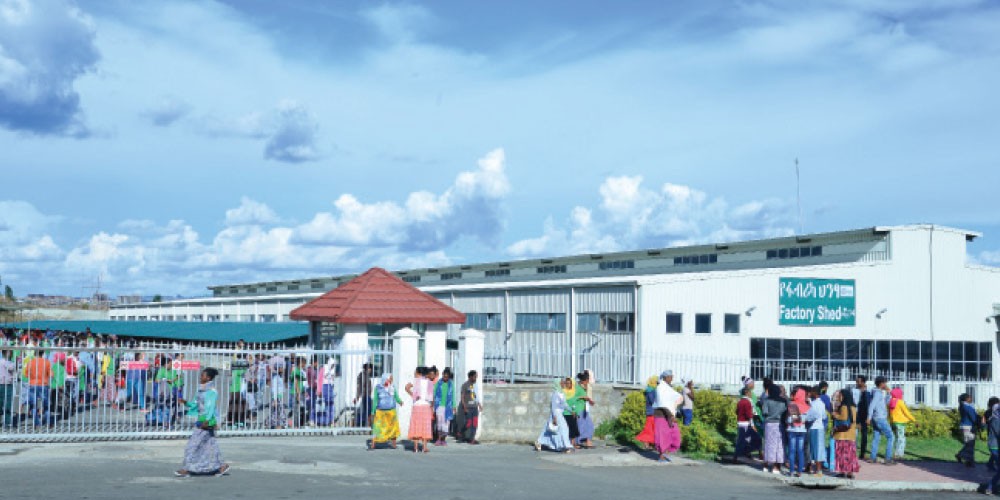
Ethiopia has long realised these benefits and started building more than a dozen parks. Cheap labour and electricity along with lucrative tax incentives, and quota and tariff free access to the big USA, EU and Chinese markets have attracted investors. The presence of ‘cheap labour’ and highly subsidised electricity has especially contributed to Ethiopia’s leading position in Africa as FDI destination. However, the fact that employees are paid as low as USD35 per month, is hugely contributing to low labour productivity, high staff turnover and poor industrial culture. EBR’s Ashenafi Endale visited the Bole Lemi and Hawasa industrial parks to see the extent of the problem.


Fishery.jpg

Ethiopia depends on its inland water bodies for its fish supply. The growing number of dams has increased its country’s potential of fishing. Though the culture and dietary tradition does not favor fish consumption throughout the year, the rise of population, urban centers and overall growth of the hospitality industry, in recent years, are creating a favorable condition. As a result production of fish ascended to 50,148 metric tonnes last year, up from 17,047 six years ago. The per capita consumption has also reached to 500grams in the year from less than 150 grams a decade ago.
However, with the rise of population whose purchasing power is fast growing and dietary culture changing, a big demand is being created. The ever burgeoning hospitality industry is also creating further demand. As a result, the significant growth of production did not match the supply especially in urban areas like Addis Ababa. EBR’s Ashenafi Endale consulted stakeholders and researches for this report.


As-Good-As-No-Policy-.jpg

Lose Code Enforcement Exacerbates Construction Accidents

Construction plays a key role in Ethiopia’s growth narrative. Building construction, a core sub sector of the industry, plays a vital role in catalyzing the growth momentum.
Despite its promises, the safety of construction workers and residents remain problematic especially in big cities like Addis Ababa where massive construction projects are under way. In the current fiscal year alone, 22 people died and 34 workers were injured at construction sites in the capital due to the lack of safety measures.
The sector is plagued by negligence and poor capacity of contractors. Even though the country has a policy and code to ensure quality and safety, it’s not properly implemented due to mediocrity and institutional inefficiency of regulatory organs. EBR’s Ashenafi Endale explores the issue to offer this report.


A-Decade-for-ECX.jpg

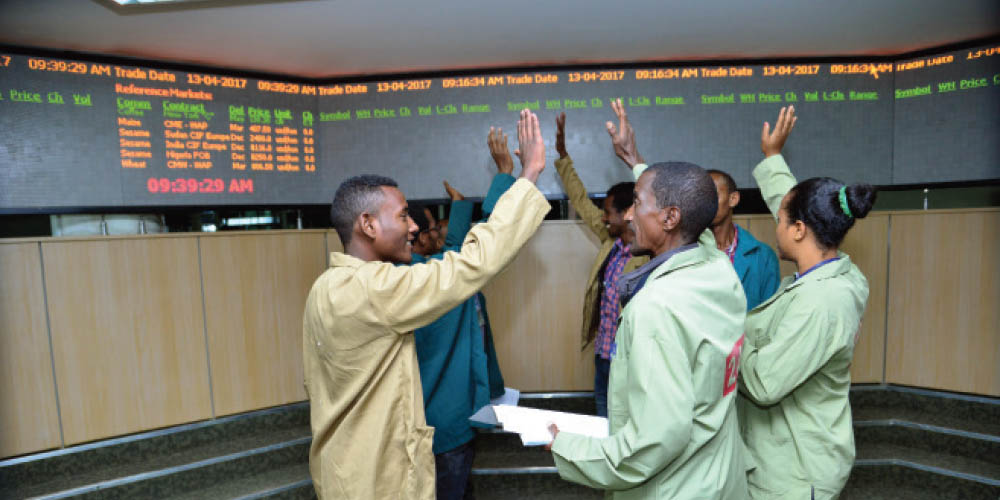
Ethiopia Commodity Exchange (ECX) was established with the mission of revolutionizing Ethiopia’s traditional agricultural marketing through creation of a new trading platform. In its 10 years of service, the Exchange has established a marketing system that is transparent, efficient, and innovative. This contributes to the overall transformation of Ethiopia’s agriculture. However, the Exchange is not without criticism. It’s been belittled for focusing more on few export commodities than modernizing the whole commodity trading. EBR’s Ashenafi Endale explores its achievements and challenges.


Fail-to-Start-Operation.jpg

More than Half of the Registered Investment in Ethiopia

Foreign Direct Investment (FDI) has many advantages to host countries. Especially in developing countries like Ethiopia, FDI provides scarce resources – finance, technology and management expertise.
Ethiopia has realized these decades ago and has since implemented structural reforms and trade liberalisation to attract more FDI. Accordingly, it has managed to attract a good deal of investment particularly in recent years.


T-Bill-Conundrum.jpg

Investors Shy Away T-Bills Due to Low Interest

As Ethiopia attempts to lay the foundations for economic transformation, it has embarked on highly ambitious development programmes. While heavy state-led investment has helped the economy grow at double digits for over a decade; there are costs attached to it. The huge finance needed to cover the construction of large infrastructure has created financial pressure leading to budget deficit.


seed-Quality-Seeds.jpg

The Crucial Role of Improved Seeds in Ethiopia

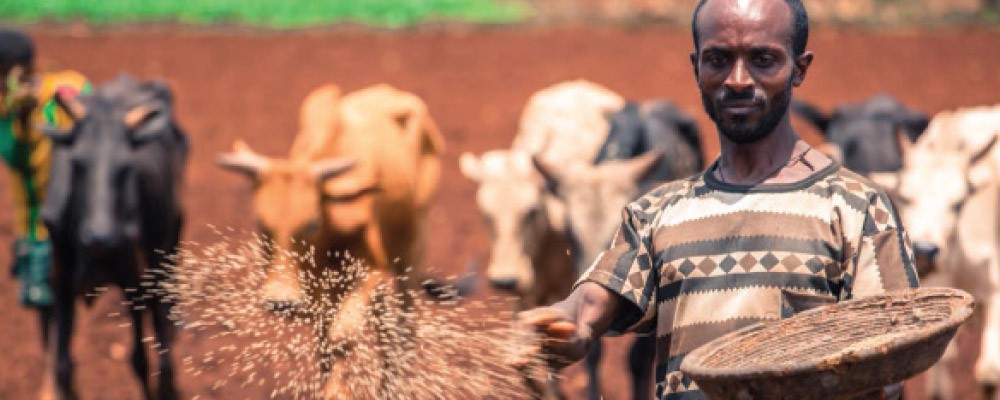
Quality seed is a key input for improving crop production. Improving the quality of seeds can increase the yield potential of any crop significantly and thus, is one of the most economical and efficient inputs to agricultural development. However, the seed system in Ethiopia is filled with complex organisational and operational setups that partly thwart the country’s prospect for agricultural revolution. Ethiopian seed system has been confronted with several challenges such as limited capacity of agricultural research centres and distribution channels. Failure of proper utilisation of the already available improved seeds is also a major problem. EBR’s Ashenafi Endale sat down with stakeholders to get to the bottom of the issue and understand what the government is doing to improve the lingering seed system in the country.


To-Graduate-or-Not.jpg

Ethiopia’s Race to Middle Income

Middle-income countries are nations with a per-capita gross national income between USD1,036 and 12,615. Nations with lower per capita income than this are classified as low-income countries. This group – least developed countries (LDCs) – comprises 48 vulnerable countries including Ethiopia.
With a per capita income of around USD100 for much of the period before 2000, Ethiopia plans to become a lower middle-income country by 2025. In tandem with that, the country has been investing hugely in infrastructures and provision of basic social services.
The result has been robust as the country achieved double-digit economic growth for over a decade. Per capita income reached USD794 in June 2016. According to the WHO, life expectancy also reached to 64.8 years in 2015 from 47 in 1991. These astonishing performances compel many to believe that the country will achieve a middle-income status in nine years.
However, a recent UN report says Ethiopia will not graduate from LDCs list by 2025. EBR’s Ashenafi Endale delved into the details of this delicate issue by refereing research findings and consulting experts as well as government officials to offer this report.


Currency-SWAP.jpg

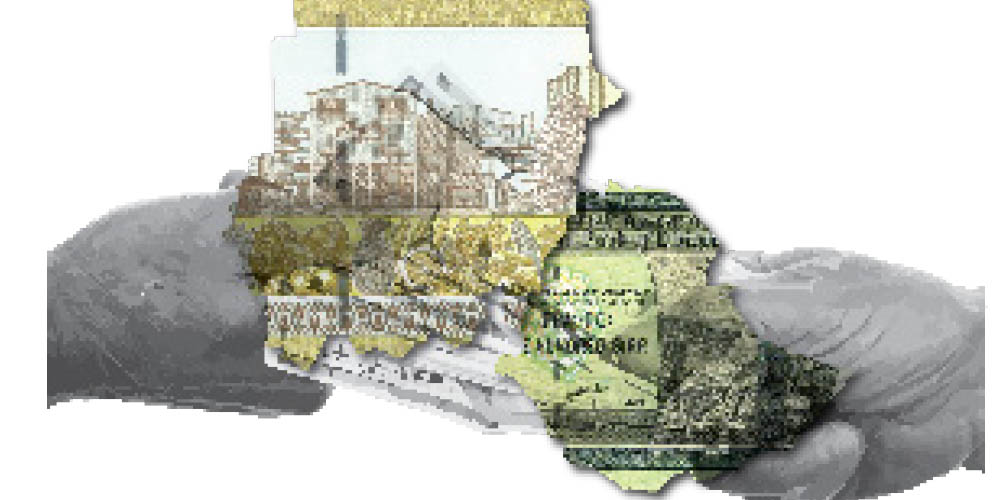
During the recent Joint Sudanese-Ethiopian Technical Economic Committee meeting held in Addis Ababa, currency swap between the two countries was at the centre of the discussion.
Currency swaps (or cross currency swap) is the exchange of one currency with another currency while doing business. Officials in Ethiopia believe that the country can reduce dependency on hard currencies by introducing cross currency swap among its neighbouring countries. EBR’s Ashenafi Endale explores the issue to assess what will be the benefits for Ethiopia as well as its neighbouring countries.


Ethiopian Business Review | EBR is a first-class and high-quality monthly business magazine offering enlightenment to readers and a platform for partners.


2Q69+2MM, Jomo Kenyatta St, Addis Ababa

Tsehay Messay Building

Contact Us

+251 961 41 41 41