breast-cancer.jpg

Primary prevention, screening and appropriate follow-up, treatment and provision of palliative care reduce the burden of breast cancer. Ethiopia is also focusing on these preventive methods to reduce the fatal effects of the disease.

However, poor awareness, inadequate cancer-treatment infrastructure and cancer-management options are challenging the country of estimated 104 million from effectively addressing the issue. EBR’s Hiwot Selalew explored the interventions.


Counting-the-DEAD.jpg

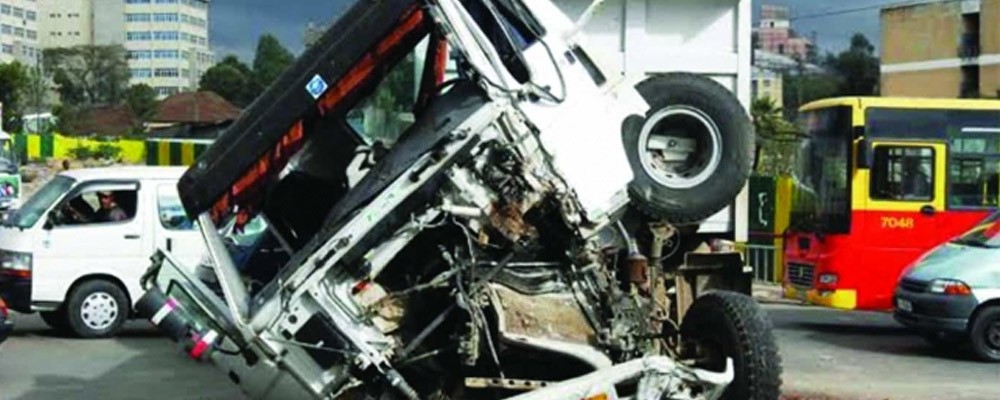
In Ethiopia, road traffic accident (RTA) has been among the main causes of death. For example, 4,500 people died of RTA in 2016/17. The problem seems staggering in Addis Ababa. In fact, it became one of the top ten causes of deaths in the city in the last decade. The number of deaths due to RTA rose from 395 in 2006/07 to 463 in 2016/17. The city administration, which introduced road traffic safety strategy in March 2017, has launched its action plan recently. With primary targets of halving deaths and injuries by 2023; and providing sustainable transport systems for all by 2030, the action plan establishes a framework to implement a successful road safety programme. EBR explores the strategy and the potential developments to come.


Traditions-Holiday.jpg

Holidays spice up social life as they add flavour to a rather dry and dull routine daily life. They not only bring people together to create shared values but also reaffirm social bond and solidarity. However, due to economic, social and demographic changes, holiday celebrations are fading away in Ethiopia especially in urban areas like Addis Ababa. Hiwot Selalew explores the evolutions.


Business-with-Missions.jpg

Lack of Appropriate Policy Thwarts the Development of Social Enterprises

In many developing countries like Ethiopia, there are countless social problems to be addressed. These causes used to attract major sponsorships from donors in Europe, North America, Far East Asia and Australia. However, with the Syrian refugee crises taking the major global agenda, and Ethiopia having put in place a proclamation which affects the financial resources of civil societies in 2008, donations for civil society organizations is declining. This has pushed CSOs to look for alternative revenue generation schemes such as engaging in social businesses and looking for creative fundraising strategies to fill the funding gap. EBR’s Hiwot Salelew explores the issue.


Expanding-Mental-Health.jpg

A mental illness is a health problem that changes the thinking, emotion or behaviour or a combination of these in an individual. Globally, mental disorders are common, with over a third of patients in many countries reporting sufficient cases. As a result, countries employ multifaceted strategies to treat the illness.
Introducing the first metal health strategy in 2010, Ethiopia embarked on addressing the problem. Unlike the past, where patients receive treatment only in St. Amanuel Mental Specialized Hospital, all public hospitals, health centres and some private medical institutions are giving treatments for mental illness as of recently. EBR’s Hiwot Selalew explores this new development.


Addis-ababa-city.jpg

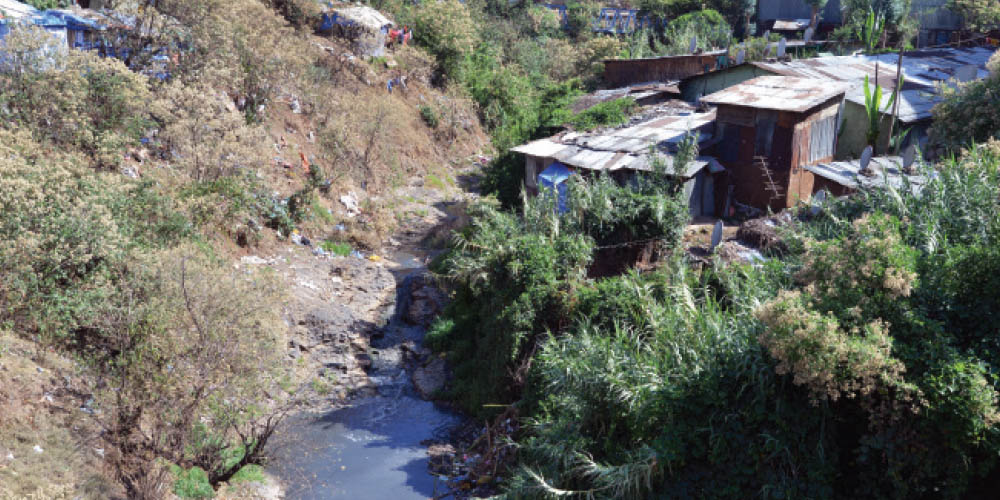
In Addis Ababa, where a third of Ethiopia’s urban population reside, a considerable number of people live in vulnerable and highly depleted houses and slum neighbourhoods. Not a small number of people also live without even the minimum liveable shelter – near riversides, garbage dumpsites and streets. These people are exposed to numerous health and life risks. The recent garbage dump landslide at Koshe, which killed 115 people and injured 54, is an unfortunate reminder of the risk. The summer will exacerbate the risk of flooding and communicable diseases. EBR’s Hiwot Salelew explores the extent of the problem; and the city’s preparedness to address that.


Teenage-Prostitution.jpg

A Source of Extra Income for Many is Becoming a Growing Threat in Ethiopia

Prostitution is the practice of engaging in sexual activity in exchange for payment or some benefit. Although the ‘profession’ is as old as human history, it still attracts many, including teenage girls. One fact may surprise a lot – those who engage in the practice are not all economically deprived. Quite a good number of them, in fact, engage in the business to earn extra money necessary to live a ‘luxury’ life. EBR’s Hiwot Salelew explores the issue to offer this report.


too-early-to-die.jpg

The Burden of Children’s Heart Disease in Ethiopia

Many sub-Saharan African countries have high rates of heart diseases in children and young adults, including congenital heart disease and rheumatic heart disease. This is especially true in countries where primary prevention and post treatment has often been neglected as a large scale strategy. In Ethiopia, only one NGO is working on children’s heart disease showing the massive work the country needs to accomplish in the future. However, officials argue that the government is working to improve the situation. EBR’s Surafel Dereje spoke with stakeholders to discover the extent of the problem and efforts undertaken to ease the situation.


Turkey.jpg

According to the World Bank, Turkey’s performance since 2000 has been impressive. Macroeconomic and fiscal stability were at the heart of its performance, enabling increased employment and incomes and making Turkey an upper-middle-income country with around USD9000 per capita. Poverty incidence halved over 2002–12, and extreme poverty fell even faster. During this time, Turkey urbanized dramatically, opened up to foreign trade and finance, harmonized many laws and regulations with European Union (EU) standards, and greatly expanded access to public services.
Ethiopia also achieved notable economic progress in those years. Its double digit growth since 2003 helped the country reduce absolute poverty significantly. It also managed to mobilize a large sum of domestic resource to self finance huge development projects.
Although the two countries are at apparently different levels of development, there are commonalities in their success stories.
EBR’s Tinbete Ermyas visited Istanbul, Turkey’s major economic hub, two times in the past three months and reflects how Ethiopia can learn from Turkey’s way of development.



Divorce.jpg

Divorce is on the rise in Ethiopia. According to data from the Lideta Federal First Instance Court, within a three-year span, more than 16,000 divorces were recorded, a trend that doesn’t seem to be slowing down any time soon. A number of reasons may lead to the dissolution of marriage, but some are concerned about the potential effects of divorce on individuals and the society in general. EBR adjunct staff writer Meseret Mamo spoke with lawyers, counsellors and divorcees to learn more about this trend and its potentially harmful effects.


Ethiopian Business Review | EBR is a first-class and high-quality monthly business magazine offering enlightenment to readers and a platform for partners.


2Q69+2MM, Jomo Kenyatta St, Addis Ababa

Tsehay Messay Building

Contact Us

+251 961 41 41 41