Drug-Use.jpg

Drug usage among teenagers is a growing trend in Ethiopia. By some estimates, as many as 64Pct of secondary school students have experimented with cannabis or khat, two of the most popular drugs used in the country. This trend is concerning, in part because of its long-term health effects but also because of the economic implications of drug usage for teens and the country as a whole. EBR’s Meseret Mamo explores the issue further and offers this report.

Teenage-Pregnancy.jpg

Adolescent pregnancies are often unplanned and may have long-term health and economic consequences for young mothers. This is particularly true in developing countries, where teenage fertility rates tend to be higher and social infrastructure is generally weaker. Studies note that women who give birth during adolescence are less likely to complete formal education, hindering their ability to earn stable income. The health effects are also dangerous, as young mothers often face higher rates of maternal and foetal mortality. EBR’s adjunct writer Meseret Mamo spoke to those involved with the issue as well as consulted research to learn more about the intricacies of this issue and what’s being done to mitigate its potentially problematic consequences in Ethiopia.


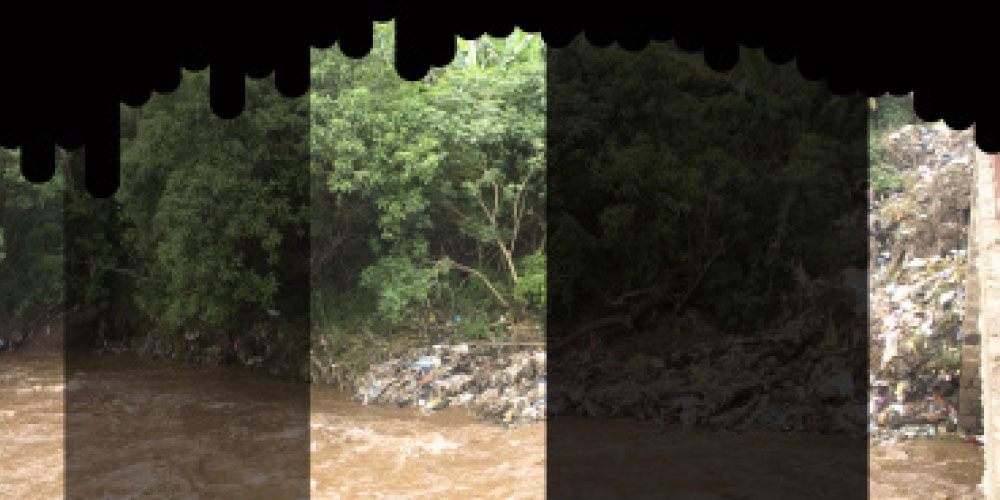
Poor-Investment-.jpg

Ethiopia is in the midst of an infectious disease outbreak. Known locally as acute watery diarrhoea (AWD), it’s now spreading throughout the capital and some regional states. While there are no official figures that document the extent of the epidemic, some organisations estimate that more than 2,000 people have been infected, resulting in nearly 20 deaths. Central to the problem of infectious disease epidemics is public health infrastructure and proper sanitation. EBR adjunct staff writer Meseret Mamo spoke with government officials and public health specialists to learn more about the extent of the outbreak and the nation’s response mechanics to halt the epidemic.


BEGGING-AS-A-WAY-OF-Life.jpg

The streets of Addis Ababa and other major cities are filled with beggars – especially rural migrants. Many people are often physically handicapped, unable to provide for their families or lack other options to earn a stable income. Research on the topic finds that begging can be especially detrimental for young children, who often forsake their formal education, furthering the cycle of poverty. However, as EBR’s adjunct staff writer Meseret Mamo reports, there are efforts to quell the factors that lead to begging, but even these programmes face challenges.


Sustainable-City-Life.jpg

A city’s aesthetics refers to the extent to which it is visually pleasing – especially with regard to the unity of its natural and man-made elements as well as harmony in the way buildings and infrastructure are developed. This is especially important for developing countries, many of which are undergoing rapid urbanisation through construction and infrastructure development. Aesthetics are also central to establishing creative industries – especially architecture and design – and can be influential in engendering profitable artistic industries. But is enough being done to consider visual elements in Ethiopia’s urban development? EBR’s adjunct staff writer Meseret Mamo spoke with industry insiders to learn what’s missing from the country’s urban landscape.


Improving-Emergency-Medical.jpg

Emergency medicine – the branch that deals with undifferentiated, often severe, conditions requiring immediate care – can saves lives after trauma. Studies indicate that expedient medical care, especially in severe cases, can significantly reduce fatalities. These services, however, are lacking in Ethiopia, where patients may wait more than 24 hours to receive treatment in an emergency room. EBR’s adjunct staff writer Meseret Mamo spoke with health care practitioners and government officials to learn more about what’s being done to develop the country’s emergency care infrastructure.


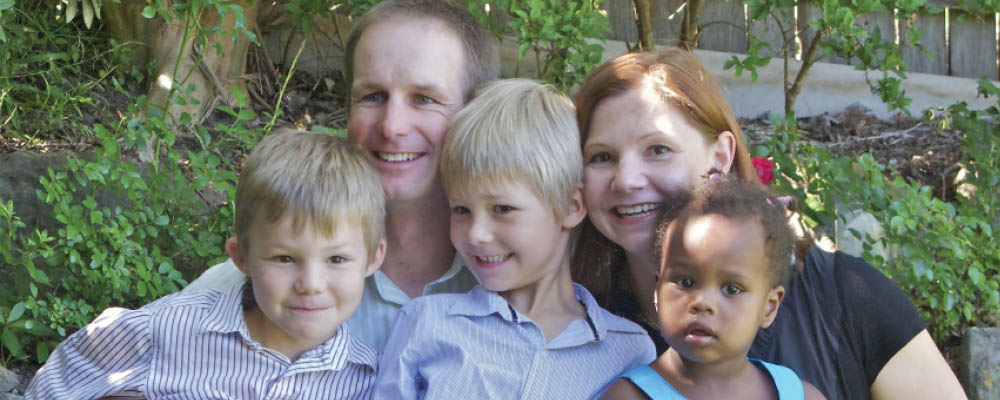
Approach-to-Overseas-Adoption.jpg

Overseas adoption is the process whereby someone of a particular nationality adopts a child from a different country. For years, Ethiopia has been one of the most popular places whence children are adopted. According to the African Child Forum, it ranked third globally in terms of overseas adoption from 2003-2011. This is due, in part, to relatively lax regulations that govern the adoption process, which some argue may subject children to potential dangers abroad, especially if they aren’t actually orphans. However, as EBR’s adjunct staff writer Meseret Mamo reports, government is working to better regulate the process and find domestic alternatives to overseas adoption.


As-More-Women-Work.jpg

According to the Central Statistical Agency (CSA), there are 2.5 million working women of child-bearing age in urban areas in Ethiopia. For many women, they’re the primary or sole breadwinners of their family, which often includes young children. Day-care centres provide women an alternative to hiring maids, relying on family, or having to sacrifice work in order to care for their children. EBR’s adjunct staff writer Meseret Mamo spoke with working mothers, day-care service providers and government officials to learn more about what’s being done to develop and regulate this nascent industry.


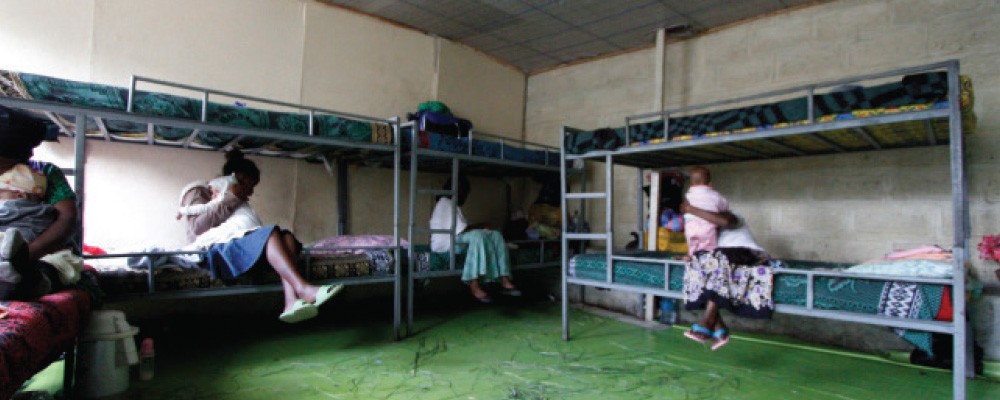
Safe-Houses.jpg

By some estimates, 70Pct of women experience abuse in their lifetime. The ordeal may leave some women and their children traumatised and feeling isolated, which can lead to long-term physical and mental anguish. Safe houses, also known as sanctuaries, were designed to provide these women and their children a safe place to receive shelter, food and counselling services to help them recover from the trauma they’ve experienced. EBR’s Meseret Mamo visited two sanctuaries and spoke with stakeholders to understand how the centres work to help women and children abuse survivors.


hiv.jpg

Ethiopia has made great strides in combating HIV and AIDS over the last decade. According to the World Health Organisation, new HIV infections declined by 90Pct and AIDS-related deaths by 53Pct between 2000 and 2011. Other important figures, like the rate of transmission and number of newly infected individuals, have also decreased substantially since 2000. These achievements, however, have resulted in decreased funding from international donors like the President’s Emergency Plan for AIDS Relief (PEPFAR) and The Global Fund, which come mainly from the United States. According to some officials, the decreased prevalence of the virus has also contributed to a more lax attitude with regard to HIV among younger people who don’t view the virus as a substantial threat to their livelihoods. These dynamics worry many officials that the country may witness a resurgence of the virus in certain demographics. EBR’s adjunct staff writer Meseret Mamo explores the issue further and offers this report.


Ethiopian Business Review | EBR is a first-class and high-quality monthly business magazine offering enlightenment to readers and a platform for partners.


2Q69+2MM, Jomo Kenyatta St, Addis Ababa

Tsehay Messay Building

Contact Us

+251 961 41 41 41