Bakeries-Tempt.jpg

Addis Ababa is becoming home to a new breed of bakeries which offer unique types of breads, cookies and cakes in Addis Ababa. Their distinct features, such attractive interior design, quality and hygiene, has seen the number of city residents that patronise them rise dramatically. In fact, it is not uncommon to see long queues stretching out of the doors at these special bakeries. EBR’s Tiruneh Assefa explores the story behind these thriving businesses.


Organic-Waste.jpg

Biogas is a multipurpose technology, which assists in addressing economic, health, social and environmental problems. Developing and spreading this technology would certainly minimize dependency on charcoal and firewood, as well as improve peoples’ lifestyles, especially in developing countries like Ethiopia. In line with this, Ethiopia has finished implementing the first and second phases of its National Biogas Programme, from 2009-2013 and 2013-2017, respectively. During that period, the country was able to disseminate 18,000 biogas digesters. However, the supply is still far from satisfying the demand. According to estimates, the number of potential beneficiaries of biogas technology is as high as four million households. EBR’s Ashenafi Endale investigates the major factors that have held back the spread of biogas.


local_tour.jpg

Due to its ancient history, remnants of past civilizations, diverse cultures and natural beauty, Ethiopia has the potential to be a must-see destination for tourists. The country aspires to increase earnings from the sector which currently stand at close to three billion dollars annually, according to the Ministry of Culture and Tourism. Tour operators have a massive impact on the industry. In Ethiopia there are close to 500 individual tour and travel companies that are actively engaged in providing tours and tour operation related services. This is a massive increase compared to ten years ago. However, tour operators are facing new challenges from foreign and illegal tour operators that are snatching customers from them. EBR Ashenafi Endale explores the issue.


2.jpg

The struggle of medium enterprises to graduate to the next level

With a plan of spurring economic growth, and creating huge employment opportunities, it has been almost 12 years since the government adopted a strategy to develop medium, small and micro enterprises. Close to a million such enterprises have been formed since then. Nonetheless, their efficacy has not always been in line with the plan outlined in the strategy, due to multifaceted barriers. This holds true especially for medium enterprises that graduated before 2015/16, because of a lack of relevant policy and institutional structures. EBR’s Ashenafi Endale, reports.


1.jpg

The agriculture sector in Ethiopia is dominated by small holder farms that depend on rain. However, low and erratic rainfall has resulted in limited agricultural productivity and food security. To reverse this state of affairs, the government adopted the development of irrigation farms as a key strategy. But not much change has been observed in expanding irrigation. As of now, only 2.6 million hectares of land have been irrigated so far, out of 15 million hectares cultivated by small scale farmers. The use of irrigation in medium and large scale farming is also insignificant. EBR’s Ashenafi Endale spoke to commercial and small scale farmers as well as government officials, to shed light on the issue


Hookah-Lounges-Thrive.jpg

Nowadays, hookah lounges are common sights across the main streets of the capital. In fact, Addis Ababa is witnessing an explosion of hookah bars, as well as shops that sell glass pipes and smoking wares. As a result, the consumption of hookah, locally known as shisha, is also rapidly expanding in Addis and other towns across the country, exposing people to health related risks. Although the government is trying to reduce the use of hookah by closing lounges that offer the service and passing laws, nothing seems able to arrest their spread, as EBR’s Samson Berhane reports.


foucs_61.jpg

Businesses Utilizing the Platform to Boost Sales

The 21st century has been characterized by various developments, shifts and changes worldwide. Many of these changes, especially within a marketing context, have been fuelled by the nowadays omnipresent Internet and all the platforms and tools found within. With the growth in number of internet users, and the use of smart phones, promoting products through social media sites, mainly Facebook, is becoming a preferred way for businesses to build relationships with customers in Ethiopia. Yet, this comes at cost as many of the businesses that sells their products via social media networks are trading items under the informal market and beyond the tax system of the country, as EBR’s Tiruneh Assefa writes.


drown_60.jpg

The Growing use of Drones in Ethiopia

The growing use of drones in cinematography is helping to increase the quality of Ethiopian-made films and music videos. However, the laws that govern the import and usage of drones are vague, with many people not aware of the agency that is responsible for regulating them. Many people have even been forced to return the drones they bring in from foreign countries. This has led to smuggled drones becoming the most available on the market. EBR’s Ashenafi Endale looks into the effects that unclear regulations and strict follow up by security forces have on those who work with drones.


traditional_60.jpg

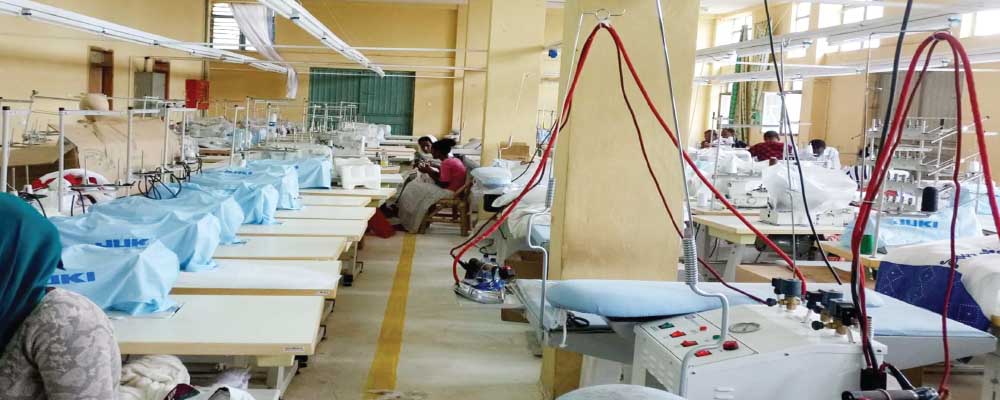
From traditional small producers who sell their products in shops in Shiro Meda to international fashion designers, the traditions and patterns associated with Ethiopian traditional garments are making their mark all over the world. However, between fluctuating foreign exchange rates, and the unstable cotton market, some producers and sellers are finding themselves crowded out of the market. The age-old techniques of weaving traditional clothing are competing with modern machine woven textiles, cheaper imported fabrics, and a shrinking number of people willing to learn the craft. EBR’s Menna Asrat reports.


shimena.jpg

From traditional small producers who sell their products in shops in Shiro Meda to international fashion designers, the traditions and patterns associated with Ethiopian traditional garments are making their mark all over the world. However, between fluctuating foreign exchange rates, and the unstable cotton market, some producers and sellers are finding themselves crowded out of the market. The age-old techniques of weaving traditional clothing are competing with modern machine woven textiles, cheaper imported fabrics, and a shrinking number of people willing to learn the craft.  EBR’s Menna Asrat reports.


Ethiopian Business Review | EBR is a first-class and high-quality monthly business magazine offering enlightenment to readers and a platform for partners.


2Q69+2MM, Jomo Kenyatta St, Addis Ababa

Tsehay Messay Building

Contact Us

+251 961 41 41 41