green-areas-expanding.jpg

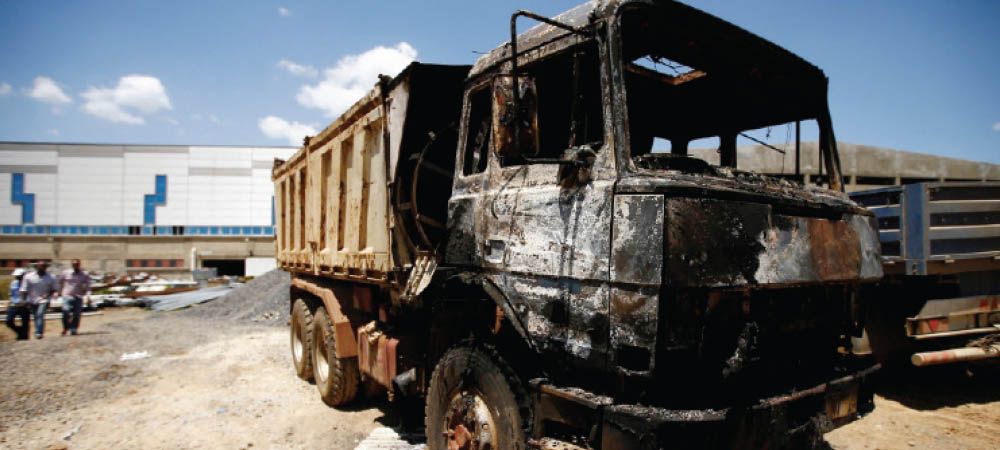
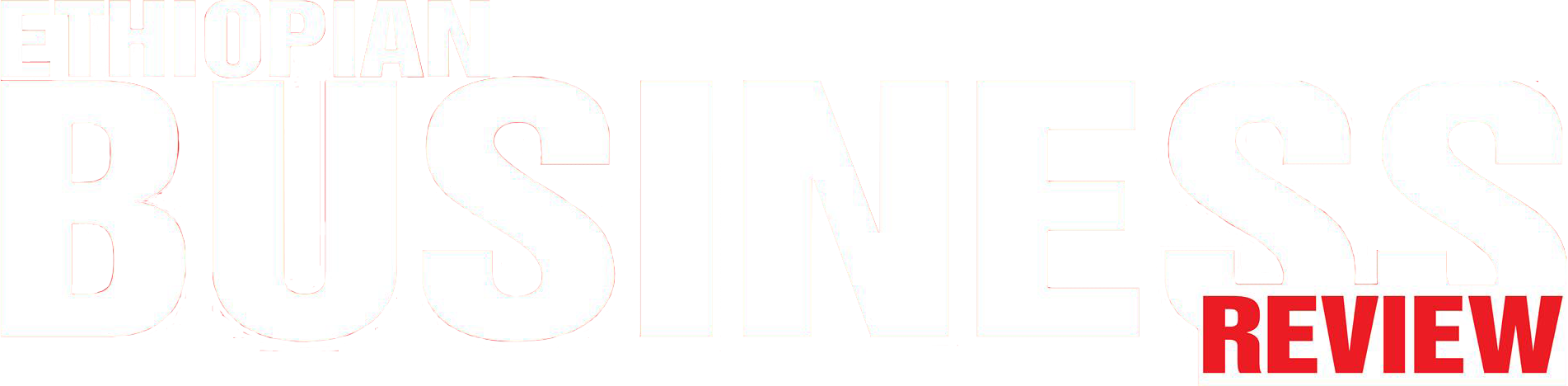
Construction has boomed in Addis Ababa over the past decade. Shiny new high-rise blocks and shopping centers mushroomed all over the city, and the cranes dotting the skyline hint that more are on the way. Meanwhile, parks and green spaces became victim to urbanization, as private landowners and the state continuously look for space to build. Now, there are only 20 parks in the capital, which has more than four million residents and additional hundreds of thousands who go in and out of the city every day. Only 0.18Pct of Addis Ababa’s land mass is covered by parks and gardens. To improve the situation, the city administration embarked on various projects that targeted building of parks and green spaces. EBR’s Kiya Ali reports.
Gains-Pitfalls-of-Raising-.jpg

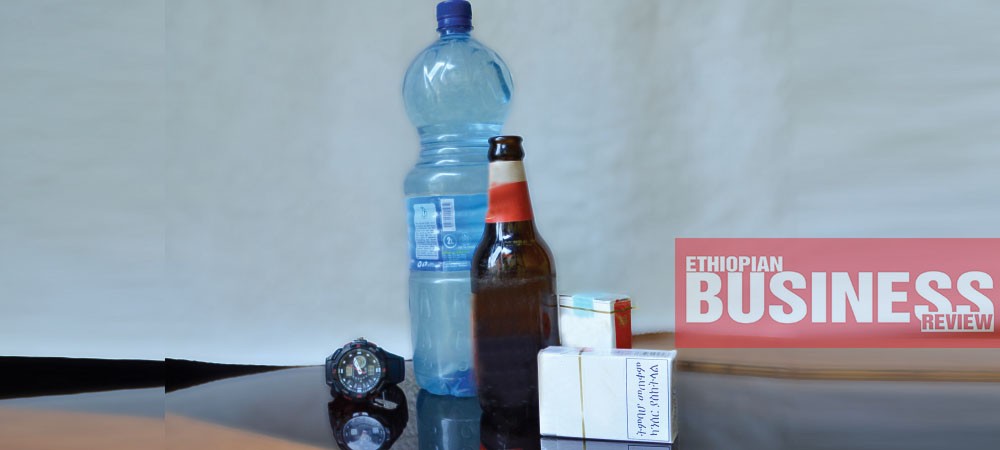
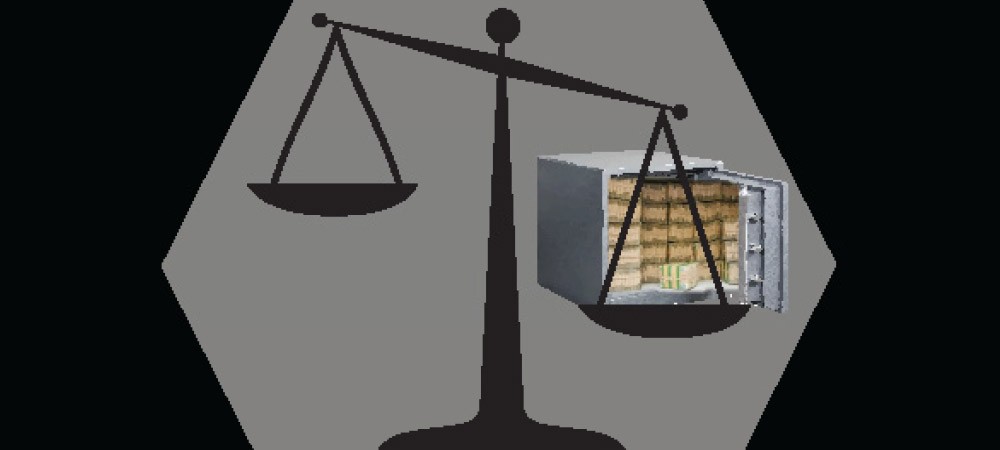
Excise tax contribution to the total tax revenues has been decreasing in the past decade, but this will be reversed very soon. The government is planning to increase excise tax levied on items including tobacco, alcoholic products, and vehicles. Many worry that this would bring unintended consequences, including paving a way for the illegal market to thrive, on top of exposing consumers to higher prices. EBR’s Kiya Ali delves into the subject to offer this report.


arba-minch.jpg

A Town Blessed by Nature Facing Modern Challenges

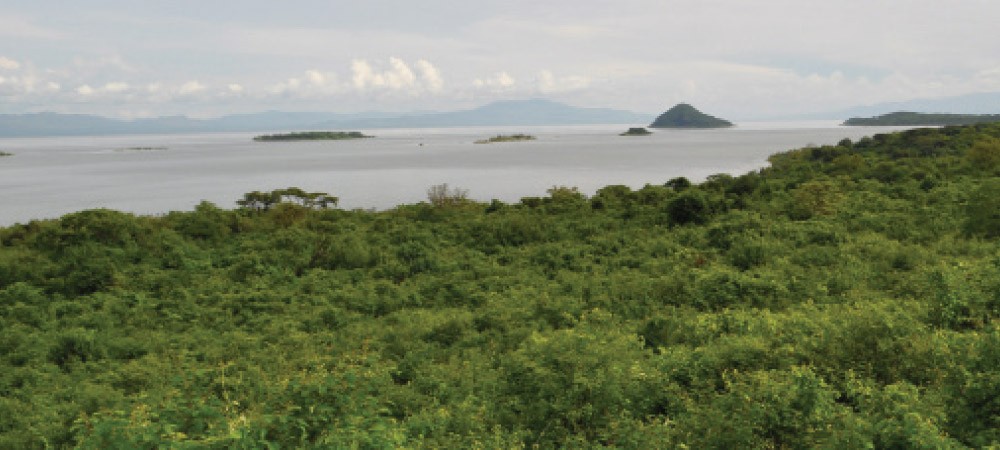
Located 454km from Addis Ababa in the southern part of Ethiopia, Arba Minch is home to more than quarter a million people. The town is also a habitat for various aquatic and wild animals. Because of the good climatic condition, the area is also conducive for several varieties of fruits and vegetables.
Arbaminch’s natural endowment is a great factor for the growth of tourism in the town. This has contributed for a burgeoning hospitality industry which has grown by leaps and bounds in recent years. However, mainly because of human factors, these natural resources are at risk of perishing. EBR’s Kiya Ali, who visited the naturally endowed town recently, reports.


swelling-budget.jpg

Brews Inflation, Exacerbates Balance of Payment Problem

The budget deficit for 2019/20 fiscal year stood at ETB97.1 billion, twice the amount registered two years ago. Despite the escalating figure, the government claims it is under control since it accounts for only three percent of the gross domestic product (GDP).
Nevertheless, experts stress that the deficit goes as high as 17Pct of the GDP when the money borrowed by public institutions is included in the equation. As the budget deficit grows, there is a fear money supply would rise, which will ultimately lead to a rise in inflation, which has already reached 15.4Pct. The consequence will further exacerbate balance of payment problem, which is already at alarming stage. EBR’s Ashenafi Endale spoke with officials and experts to shed light on the matter.


bad-loan.jpg

Even under normal banking operations, not all loans can be collected fully because loans are not free of risks. This affects the financial performance of any bank because it leads to an increase in non-performing loans (NPLs). This is exactly what is happening in Ethiopia at the moment. Due to macroeconomic and bank specific factors, borrowers are increasingly finding it difficult to pay back loans. Industry insiders say the average NPL figure has now reached eight percent. The National Bank of Ethiopia (NBE) has set five percent as the upper limit any bank’s NPLs may go. EBR’s Ashenafi Endale examines the causes.


New Marketing Ideas Take Over Addis

Teaser advertising is a new marketing concept slowly emerging in Ethiopia. Wegagen Bank as well as Habesha and United breweries are among the companies that have used teaser campaigns as a part of their marketing strategies in recent times. Teaser ads can generate curiosity and buzz, which may ultimately have a strong impact on the marketability of a certain product or service. However, some experts argue that the approach is costly because the success of a teaser campaign depends on the number of times teaser ads are presented to the consumer. EBR’s Kiya Ali reports.


doubting-danger.jpg

Investors Fail to React to Political Risks

During the political unrest that has plagued the country over the last three years, many businesses were burned, looted and damaged by protestors. Investors lost hundreds of millions of birr in property. Capitalizing on these opportunities, insurance companies have started introducing new policy known as political violence and terrorism insurance. At first, there was high demand for the new policies, but that was short lived. The renewal rate is low, while new investors are disinterested in the coverage. EBR’s Samson Berhane explores.


inside-the-growing-betting.jpg

Sport betting is becoming popular and expanding at an astonishing rate in Addis Ababa. Despite the fact that it is a new phenomenon in Ethiopia, it is quickly gaining momentum. Motivated by this demand, many companies are starting to invest in the sector, which requires moderate capital. EBR’s Kiya Ali explored the nitty-gritty of sport betting and its growing acceptance in Addis.


out-of-reach.jpg

Oranges have always been one of Addis’ favourite treats. However, over the past few years, their price has shown a steady increase, from around ETB15 a kilo to anywhere around ETB 80 per kilo now. Orange farmers and distributors have been experiencing issues that have contributed to the rise in prices of oranges, such as pests and horticultural disease. EBR’s Kiya Ali explored the issue.


risks-from-using.jpg

Ethiopia has been an agriculture dependent economy for decades. Among the methods to increase the production of the agricultural sector is the use of pesticides to combat insects, pests and other plant diseases. However, Ethiopia is also contending with transboundary pests and diseases, which travel across borders, infecting crops in multiple countries. There is also an issue with pesticides that are no longer able to be used for their original purpose, or other purposes, being stored unsafely, with no proper facilities with which to dispose of them. EBR’s Ashenafi Endale reports.


Ethiopian Business Review | EBR is a first-class and high-quality monthly business magazine offering enlightenment to readers and a platform for partners.


2Q69+2MM, Jomo Kenyatta St, Addis Ababa

Tsehay Messay Building

Contact Us

+251 961 41 41 41