the-rebranding.jpg

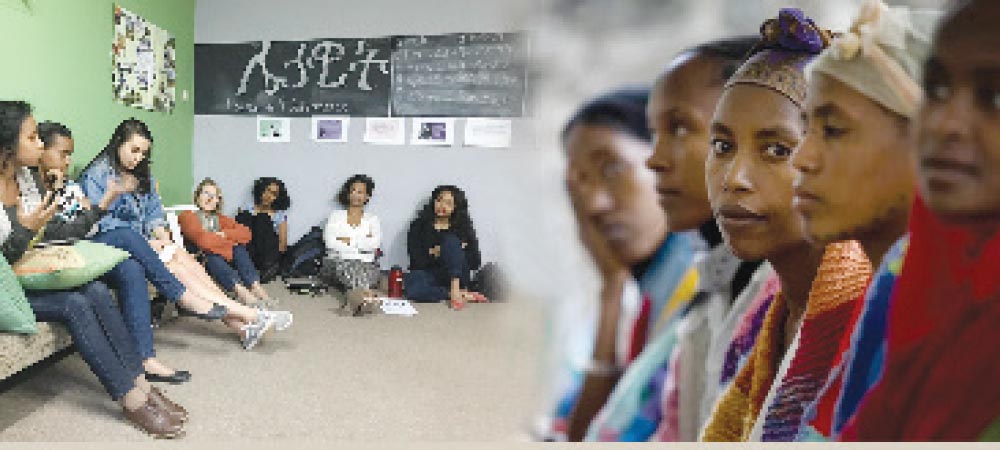
While feminism as a movement has been around for a long time in most of the world, in Ethiopia, the term itself carries negative connotations for many people. Seen by some as a movement that only benefits a few elite women, or as something that encourages women to hate men, the basic definition of feminism as the fight against gender inequality seems not to have landed. Now, many young gender issues activists and experts are trying to reclaim feminism, and at the same time, take away the pejorative implications of the word in the eyes of the general public. EBR’s Kiya Ali reports.


healing-old-wound.jpg

The Incredible Journey of the Unfortunate women with Obstetric Fistula

The Fistula Hospital is an Ethiopian landmark. Located in Addis Ababa, the hospital and the Hamlin Fistula Centers were founded by Catherine Hamlin (MD) and her husband Reginald Hamlin (MD) in 1974. In the time since then, Hamlin and her work have become well known throughout the world. The hospital provides service for women suffering from obstetric fistulas, often caused by extended labour without access to medical care. Women with this condition often find themselves isolated from their communities and families, with no way to support themselves. The treatment they get at the hospital often gives them a new lease on life, as EBR’s Kiya Ali observed.


hamer_ethiopa.jpg

The Hamer people are an Omotic community inhabiting southwestern Ethiopia, east of the Omo River and live in villages like Turmi and Dimeka. The Hamer have very unique rituals such as evangadi and a bull-leaping ceremony in which a young man has to succeed in order to get married. They are also known for their practice of body adornment and wearing a multitude of colorful beads. Although most of their culture and practices still exist, the Hamer people are now embracing the fruits of the modern world. For instance, they have become familiarized with paper money over the past five years. EBR’s Kiya Ali visited the Hamer people recently to observe their changing lives.


Branding.jpg

Still Untapped

Companies trying to connect with the buying public through creating unique brands is still a fairly new phenomenon in Ethiopia. Even so, some companies are starting to take the creation of a unique brand seriously, as a way to imprint a specific image of their company in their customers’ minds. EBR’s Kiya Ali spoke with some companies and branding professionals to get a sense of how they are going about building a better brand.


Modelling-Profession.jpg

Modelling has been an established career in much of the world for a long time. Involved in advertising, runway shows, and everything in between, models have cultivated a reputation as being well paid and respected in many parts of the world. However, in Ethiopia, modelling was not seen as a career with a future, as was the case with many creative careers. In fact, it is only within the past decade or so that modelling has started to come into the mainstream, with televised competitions, and schools dedicated to the subject. EBR’s Menna Asrat spoke with industry insiders to understand how modelling is developing.


Channels-in-Ethiopia.jpg

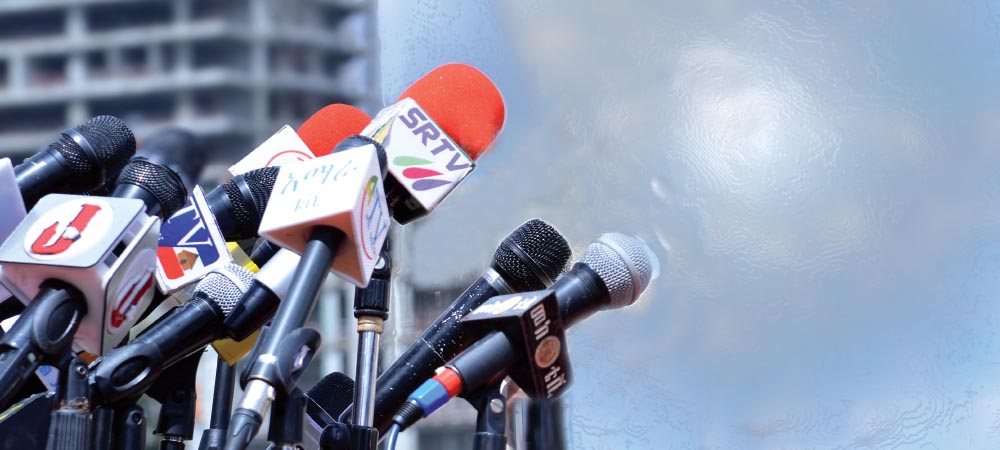
These days, free-to-air satellite television channels are increasing in Ethiopia. Contrary to the picture five years ago when only a few government sponsored television channels were operational, 16 private limited companies have currently received licences to broadcast their programs. However, governmental policy, access to quality content and huge capital requirements are jeopardizing the survival of TV channels especially those that have recently joined the sector as EBR’s Kiya Ali reports.


Pirates-of-Addis.jpg

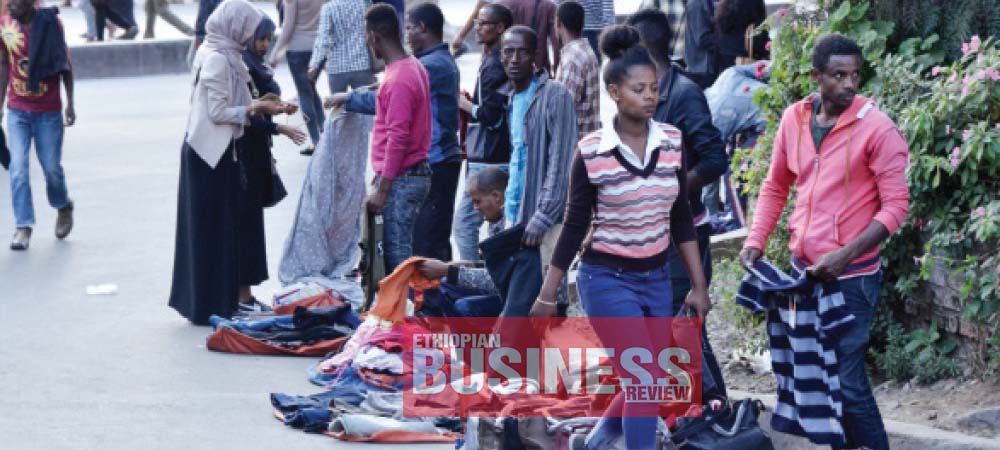
Street vending has become a part of everyday life in Addis. On almost every major pedestrian road, there are many young people displaying their wares, from electronics, to shoes, and calling out to city residents to visit them. While these products are cheap and convenient for many, street vending is becoming the gathering place for unemployed youth who move to the cities looking for new opportunities. At the same time, the sourcing of the products is feeding into the problem the country is experiencing with contraband, as many of the items sold on the streets are illegally smuggled into the country. Addressing these issues is a big part of the city administration’s agenda, as EBR’s Ashenafi Endale reports.


water_risk.jpg

How Safe is Bottled water?

In the past decade, the bottled and mineral water industry has registered enormous growth. From less than 10 a decade ago, the number of companies in the industry has grown now to 70. However, even more operators who bottle water without licenses are filling the market, exposing consumers to health related risks. EBR’s Ashenafi Endale reports.


housing_.jpg

In the past, house rents in Addis Ababa have increased chiefly because of the critical housing shortage and the surge in demand for apartments and houses.
Over the past three months, however, rental prices have risen at an alarming rate, because of the rise in the number of Eritrean migrants, among other factors. EBR’s Ashenafi Endale investigates the matter.


adama.jpg

Can it be a vibrant Hub?

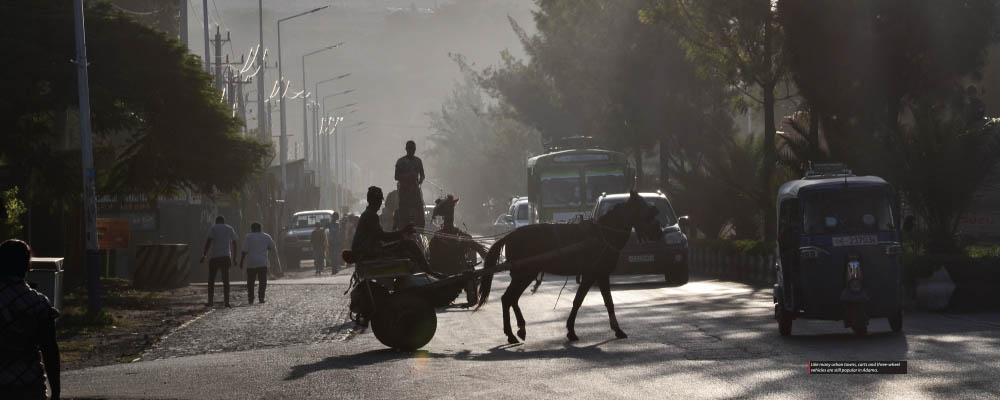
Located 99 kilometers from Addis Ababa, Adama is one of the largest and most vibrant cities in the state of Oromia and is home to almost half a million people. Its key role as a route for a large portion of the nation’s imports and exports has made it one of the most energetic cities in Ethiopia. Even more, the completion of its first industrial park last month makes it one of the country’s most promising investment spots. Despite the growth in businesses’ desire to invest in Adama, the city administration has been unable meet demands for investment licenses, which have accumulated for the past four years. Recurrent water shortages and rising living costs have remained challenges for the city’s residents. EBR’s Ashenafi Endale, who visited the city last month, reports.


Ethiopian Business Review | EBR is a first-class and high-quality monthly business magazine offering enlightenment to readers and a platform for partners.


2Q69+2MM, Jomo Kenyatta St, Addis Ababa

Tsehay Messay Building

Contact Us

+251 961 41 41 41