Belachew-Mekuria-PhD.jpg

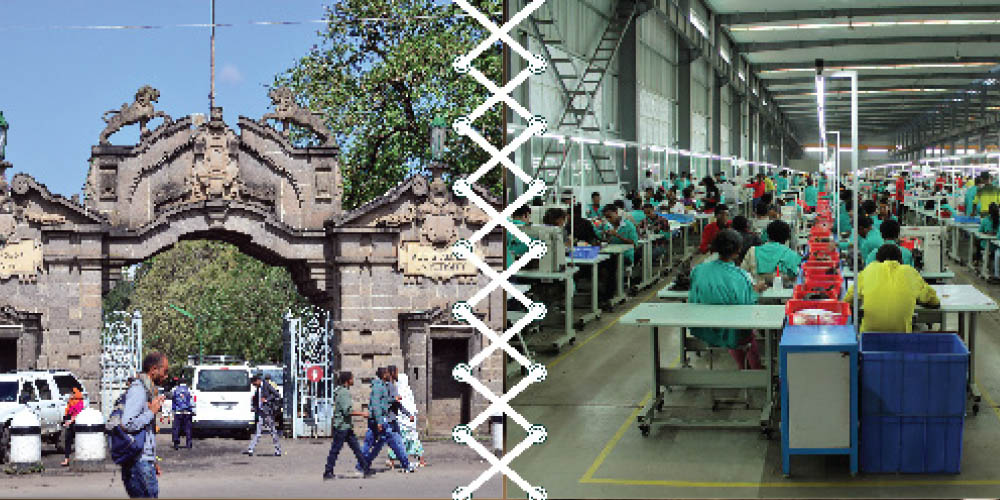
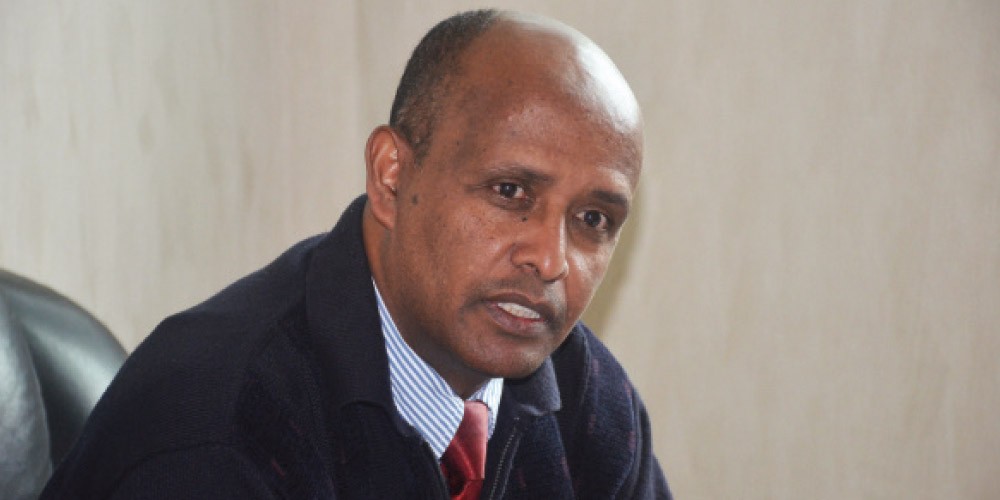
In recent years, there has been a giant leap forwards making Ethiopia a hub of light manufacturing industries in Africa by 2025. To this end industrial parks in Addis Ababa and Hawassa, mainly designed for textile and garment manufacturing went operational to boost export revenues. 13 additional parks are currently under construction for same. EBR spoke to Belachew Mekuria (PhD), deputy commissioner for Industrial Parks Division at the Ethiopian Investment Commission (EIC) about the performance of the already operational ones, status of the industry parks under construction, and the challenges companies and employees in the parks experience.

Research.jpg

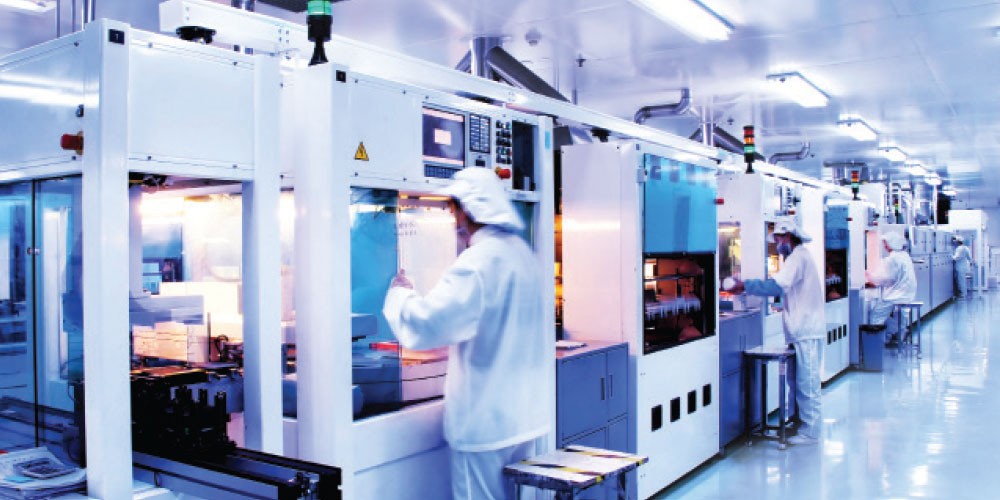
Research and development (R&D) refers to investigative activities conducted to identify and address challenges or improve existing ways of doing things through innovation of new technologies. Public or private organizations engaged in the production of goods and services conduct R&D to improve product quality, productivity, and service delivery.
The budget organizations allocate to R&D is a significant factor to its outcomes. Countries and organizations that have realized this allocate a significant deal of resources to Research. Although Ethiopia is hugely investing in the education sector, it’s one of the countries known for allocating insignificant amount of resources for R&D. Even with a robust economic growth experienced for over 10 years, the country keeps to allocate small budget. EBR has explored the issue to offer this report.


Afework-Kassu-Prof.jpg

The Ministry of Science and Technology (MoST) is entrusted to facilitate the rapid learning, adaptation and utilization of effective foreign technologies. To achieve this mission, it spearheaded the preparation and adoption of science and technology policies and strategies to support and coordinate national research and development (R&D) agenda.
EBR sat with Afework Kassu (Prof), state minister of the Ministry to learn about what the country is doing to promote R&D. Before assuming his current post, Afework, a young dynamic scientist, was director general of Higher Education Research and Academic Affairs at the Ministry of Education. He had earlier been a vice president for research and community service at the University of Gondar.


Ermias-Eshetu.jpg

Ermias Eshetu has been the CEO of Ethiopia Commodity Exchange (ECX) since January 2015. Before joining ECX, he was vice president for marketing and corporate services at Zemen Bank. He had previously worked with multi-national organizations such as IBM, Alcatel, Orange and Micro Strategy.
Ermias has a master’s degree in international business and a bachelor’s degree in computation from the University of Manchester. In connection with the soon to be celebrated ten years anniversary of the Exchange, EBR sat down with Ermias to discuss about the performance of the Exchange and the challenges it faced while working to modernise Ethiopia’s traditional agricultural commodity trading.


university-industry-linkages.jpg

Higher education is fundamental to ensure development. Countries that have established research universities with strong linkages with industries have achieved fast and sustainable social and economic transformation. This is because such arrangements help to advance innovations, which can also be incubated into feasible businesses and interventions that help to improve quality of life.

For the last two decades, Ethiopia has hugely invested in education. However, university-industry linkages remain loose. This has hampered industries from improving their competitiveness because they are not getting qualified human resources, and technologies to improve productivity. The universities are also producing research less consumed by the very industries they aim to serve.


Hope-Against-Hope.jpg

A Draft Policy Aims to ‘Revolutionise’ Animal Breeding, Key to Improve Productivity’

Ethiopia ranks first in livestock population in Africa. However, the productivity of the sector remains poor due to the lack of appropriate policies which limit the use of improved technologies; and incentives to attract and retain investment.
While the productivity of improved breeds is upto ten times higher than the native breeds, there are less than one million improved livestock breeds, far less than 1Pct of the total livestock population in the country. This is very small especially when one notes that artificial insemination, a technology that helps to improve animal breeding, and productivity was introduced to the country 60 years ago. The result of the neglect to the sector is evident in that hotels, airlines and supermarkets in the country import a large amount of animal products, which sometimes include raw meat, milk and their processed forms.
With the establishment of a new federal institution – The Ministry of Livestock and Fishery Development; and a draft policy tabled for approval to govern the sector – many hope that the situation will change. EBR consulted research and stakeholders; and analyses the hope the policy could brings.


Scramble-for-Properties.jpg

The Driving Factors Behind, the Implications on the Economy

For a new visitor of Addis Ababa, the thriving construction sector in many parts of the city and lofty traffic jam might suggest about the growing economy in the country. This is indeed part of a sign of an economy undergoing rapid growth for over a decade. As more and more people get richer, they tend to develop appetite for acquiring properties caused by lifestyle changes, among other reasons.
However, there is a concealed factor as to why individuals and corporate entities rush into spending their money in the acquisition of real assets such as vehicle, land and building.
In a country where population doubles every 25 years and per capita income grows fast, while real assets such as land are finite resources, it is common for buyers to rush to acquire the scarce resources. Inflation and inflationary expectations, which Ethiopia has been experiencing for over a decade, further drive the demand for property acquisition. Buyers use them as a strategy to evade the adverse effects of inflation.
The trend is dangerous because it diverts scarce resources that should be used for investment in the productive sectors of the economy. Macroeconomists argue that the situation calls for improving the entire macroeconomic governance because the continuation of resource misallocation ruins the pillars the national economy rests upon.


Wondwossen-Tamrat.jpg

Anyone who knows Wondwosen Tamrat, 49, testifies to his humble, soft-spoken and articulate demeanour. He credits these traits to his parents, whom he considers his role models, instilling in him the traits of resilience and commitment.
Despite years of hard work, 1998 defined and launched Wondwosen’s career. That year marked the beginning of private higher education institutions (HEIs), allowing for the establishment and expansion of private HEIs in the country, with Unity becoming the first private college and St. Mary’s soon after.


Gemechu-Dubiso.jpg

The Man with a Big Job

When the House of Peoples Representatives approved Gemechu Dubiso Godana’s reappointment as Auditor-General of the Office of the Federal Auditor General by Prime Minister Hailemariam Desalegn on March 10, 2015, many agreed that he deserves the post. This is because Gemechu is up to the task based on his five years of experience in the position, demonstrating courage, confidence and uncompromising ethics when he reports about the mismanagement of public resources in federal and regional offices. EBR spoke with Gemechu to learn more about his career and the difficulties facing him and his profession.


Ethiopian Business Review | EBR is a first-class and high-quality monthly business magazine offering enlightenment to readers and a platform for partners.


2Q69+2MM, Jomo Kenyatta St, Addis Ababa

Tsehay Messay Building

Contact Us

+251 961 41 41 41