025ca6dc3e08455c8787641b817d2131.png


#EBR_News Nov 12, 2026

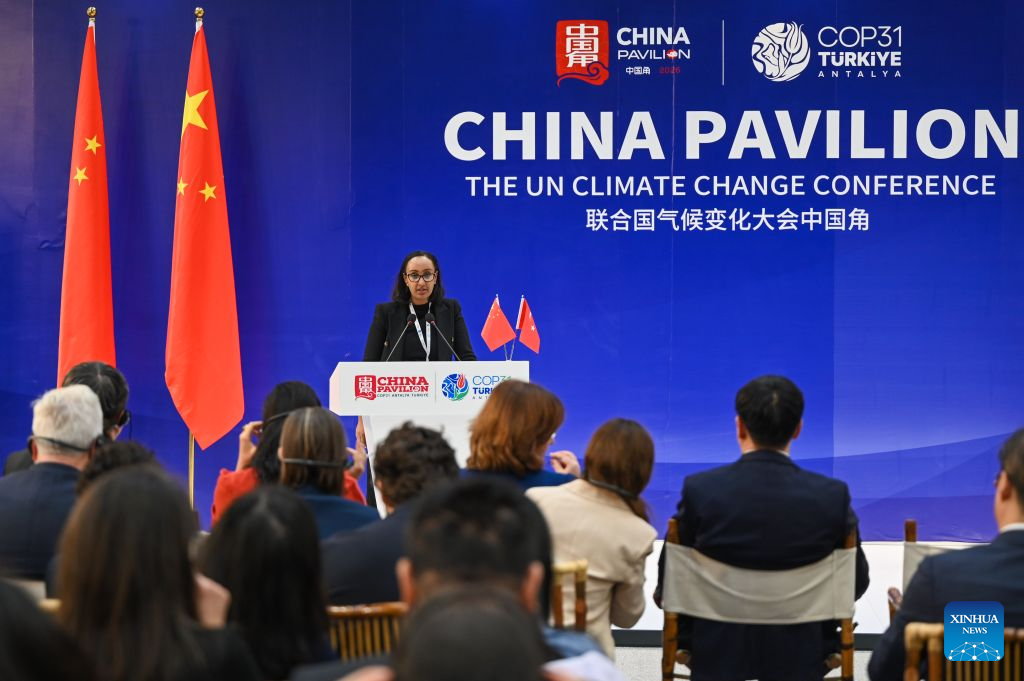
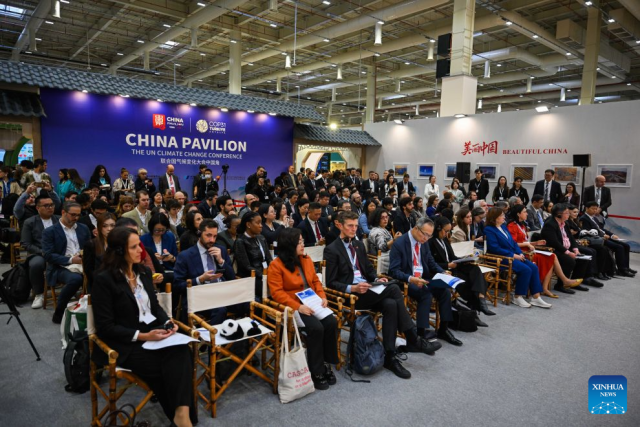
Ethiopia, which will host COP32 in 2027, has joined China and Türkiye in launching a global initiative to strengthen cooperation on carbon crediting markets, even as its own efforts to turn forest carbon into revenue are still waiting to reach the deal-making stage. The initiative was unveiled on Wednesday at the 31st United Nations Climate Change Conference (COP31) in the Turkish coastal city of Antalya, Xinhua reported.

According to Xinhua, the launch took place at the COP31 China Pavilion and was attended by government officials and representatives of international organisations, including the United Nations and the World Bank. COP31 opened on Monday and runs until Nov. 20, with representatives from nearly 200 countries and regions taking part, the news agency said.

The initiative’s document calls on governments and intergovernmental bodies to improve governance systems for high-integrity carbon credits, Xinhua reported. It encourages cooperation among carbon crediting mechanisms and market participants to promote a high-integrity supply of credits, and calls for the responsible use of those credits to generate effective market demand. 

It also urges parties to enhance information sharing and the interconnectivity of market infrastructure. The three countries noted that carbon crediting mechanisms help optimise the allocation of mitigation resources, channel climate finance and unlock new drivers of green development.
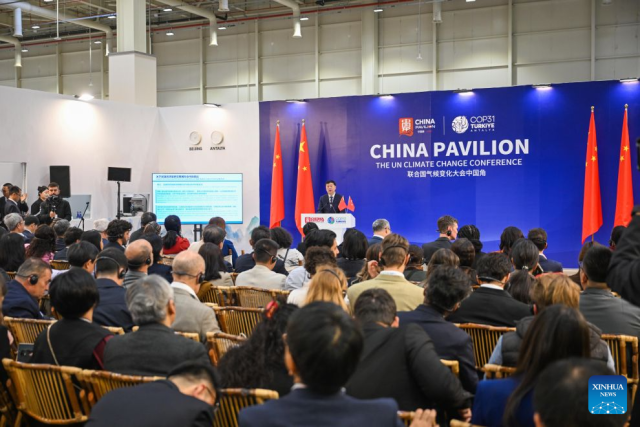
Li Gao, China’s vice minister of ecology and environment, said the initiative is guided by fairness, inclusiveness and voluntary participation, and is open to all. “We welcome governments, international organisations and relevant institutions to join us in delivering a new global public good for climate action,” Li said, according to Xinhua.
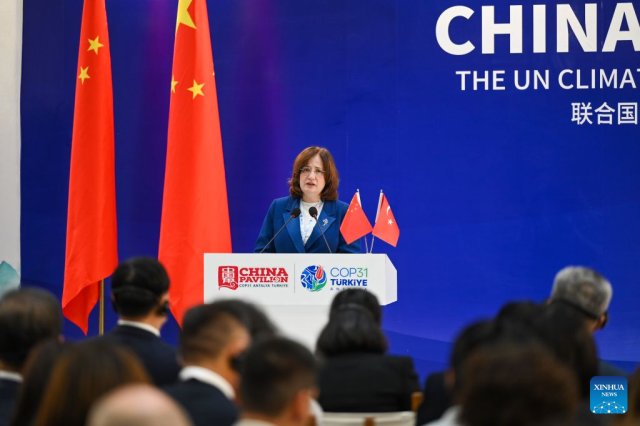
Fatma Varank, Turkish deputy minister of environment, urbanisation and climate change, told Xinhua the initiative would give emerging economies a platform for South-South collaboration. She noted that developing countries often face financial and technical constraints in establishing and operating carbon markets, and said partnerships formed directly among such countries are especially valuable. 
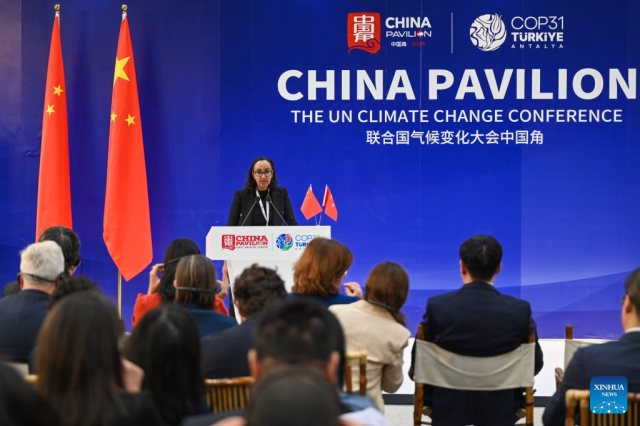
Selam Kidane (PhD), chief strategist for Ethiopia’s COP32 Presidency, thanked the Chinese government for proposing the initiative and described it as an important platform for international cooperation on climate solutions. She said Ethiopia was pleased to join China and other partners in co-sponsoring and launching the initiative, describing it as an important platform for strengthening international cooperation on climate solutions.
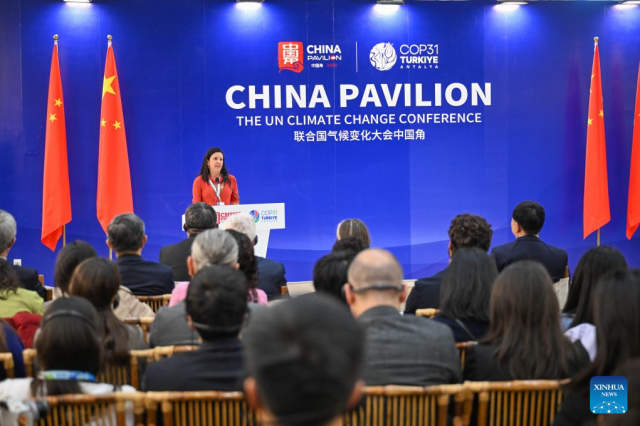
Cristina Reis, extraordinary secretary of carbon markets at Brazil’s Ministry of Finance, also welcomed the move, telling Xinhua that bridging voluntary and compliance carbon markets is essential to driving corporate emissions reductions.

Ethiopia has also been laying the groundwork for forest carbon trading. As EBR reported reported in June, the country has put a legal framework for forest carbon trading in place through Forest Carbon Trading Directive No. 1122/2025, which allows forest owners and project developers to register carbon credit projects and jurisdictional programmes. Under the directive, communities engaged in state forest co-management are entitled to 80 per cent of revenue proceeds.

The House of Peoples’ Representatives approved the directive on 30 June, the same day it was discussed at the Second Agriculture Science Seminar Series. In May, the Council of Ministers also approved a draft Carbon Market Proclamation aimed at operationalising carbon trading, revenue sharing and international transactions.

Yet turning that readiness into revenue has proved slower. Speaking at the seminar, Motuma Tolera (PhD), Head of the Forest Sector Transformation Unit at the Ethiopian Forestry Development, said the Oromia Forested Landscape Program (OFLP) was still in “advanced negotiations” after more than a year of market outreach. 

According to Motuma, potential revenue could reach $200 million if CORSIA-eligible certification is achieved, but the figure remains provisional and depends on securing international buyers and meeting stringent standards. CORSIA is the International Civil Aviation Organization’s offsetting scheme, where credits have traded at a premium of $10 to $20 per tonne over the past year, he said.

Motuma added that the programme engaged more than 25 prospective buyers across three continents before narrowing talks to a shortlist of traders and intermediaries. He also said the ISFL standard was approved for CORSIA use only in April, and that the National Jurisdictional Forest Carbon Program, being registered under the ART-TREES methodology, is still in validation. 

Ethiopia holds 26.75 million hectares of forest, equal to 23.6 per cent of its land cover, according to Motuma, which points to substantial carbon stock potential. The experience of the Humbo and Sodo reforestation projects, started in 2006, shows how long the road can be: they have sequestered 462,606 tonnes of carbon dioxide equivalent and channelled $1.63 million to community cooperatives over two decades.

Its emphasis on high-integrity supply, responsible demand and connected market infrastructure mirrors buyers’ growing insistence on rigorously verified credits, which the directive itself reflects by requiring independent, internationally accredited verification and ten-year record keeping. 

Those requirements raise costs, particularly for smaller projects, so a South-South platform that shares information and pools technical experience could help. With COP32 due to be hosted in Ethiopia in 2027, the country has a visible stake in how such markets are shaped, and also a reputational incentive to show that its carbon framework can deliver real transactions by then.
Betegbar Yaregal

#EBR_News Nov 5, 2026

Ethiopia’s economy grew by 9.8% in the 2024/25 fiscal year, but the government collected tax equal to only about 7.8% of GDP, a level that ranks among the lowest in sub-Saharan Africa. That gap between growth and revenue runs through the African Development Bank’s Country Focus Report 2026 on Ethiopia.

According to the report, the country’s development financing challenge is less about a shortage of financial instruments than about credibility, coordination and execution.

The headline numbers are strong. The report says industry expanded by 13%, mining surged by 205.4% and manufacturing grew by 10.3%, while inflation fell to 16% from a peak of 33.8% in 2022/23. Exports grew by 119%, narrowing the current account deficit to 0.2% of GDP, and the fiscal deficit including grants eased to 1.6% of GDP. 

The bank credits Home-Grown Economic Reform 2.0, including the shift to a floating exchange rate and interest-rate-based monetary policy, for restoring some credibility.

The scale of what Ethiopia must fund makes the revenue shortfall more pressing. According to the report, the country needs to mobilise US$608 billion by 2030 and about US$5 billion annually between 2025 and 2050 to implement its Long-term Low Emissions Development Strategy. A further sum equal to 13.2% of GDP is needed each year to support structural transformation. 

The bank says the 15% tax-to-GDP ratio targeted under the National Medium-Term Revenue Strategy is the level generally required to finance the Sustainable Development Goals, almost double today’s 7.8%.

The revenue picture is far weaker than the growth figures suggest. The report says Ethiopia’s overall tax buoyancy, which measures how far revenue responds to economic growth, stands at 0.91, below the African average of 1.05. 

It adds that recent gains came mainly from import surcharges and excise duties on telecom services rather than from a broad expansion of the tax base. The tax structure, it says, relies heavily on border taxes, excise duties and indirect taxation, while personal and business income taxes contribute relatively little.

The regional comparison is stark. The report puts the African average tax-to-GDP ratio at 13.4% and the regional average at 11%, with Ethiopia well below both, and notes that the sub-Saharan African average is roughly 18%. 

Personal income tax peaks at 35% in Ethiopia, which the report shows is above the regional average of 28.7%. The rates are therefore not low, but few people and firms actually pay them.

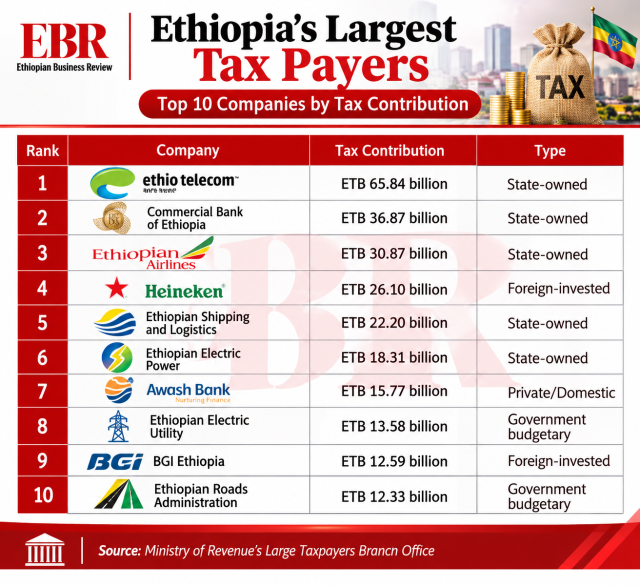
Figures that EBR reported in August from the Ministry of Revenue’s Large Taxpayers Branch Office show how narrow that base is in practice. The office collected 522.67 billion birr in 2025/26 from 746 registered taxpayers, yet 29% of them generated 80% of the total. Just 31 state-owned enterprises paid 217.87 billion birr, or 42% of branch revenue, and the top ten taxpayers together accounted for 48.71%, led by Ethio Telecom at 65.84 billion birr. 

The AfDB’s finding that gains came from telecom excise and border measures fits this pattern: the revenue is coming from payers the state already knows well, many of which it owns.

The same state-owned enterprises that dominate tax payments also worry the bank. According to the report, higher SOE dividends helped raise non-tax revenue, but SOE-related fiscal pressures, weak oversight, quasi-fiscal activities and contingent liabilities remain a major constraint on the budget and on private-sector confidence.

In effect, the state leans on its own companies for revenue while their balance sheets pose a risk to public finances.

The same concentration is now shaping targets. According to the branch’s own planning documents, it has been assigned 816.70 billion birr for 2026/27, which is 56% above what it collected last year and represents 76% of the country’s entire domestic tax revenue target. 

That leaves a very large share of the national revenue plan resting on fewer than 750 firms. The AfDB report points to the risk on the other side of the ledger. 

Informal activity accounts for an estimated 30–35% of GDP and 70–80% of employment, and IMF estimates cited in the report place Ethiopia’s tax capacity at 17–20% of GDP, implying large revenue losses linked to informality and weak compliance.

The report also describes what this does to the businesses that are inside the net. A narrow tax base, it says, forces high effective tax burdens onto a small pool of formal firms and workers, which reinforces the incentive to stay informal. 

The Large Taxpayers Branch Office acknowledged related problems among smaller taxpayers, including under-declared sales, fake invoices and late audited financial statements.

For small and medium-sized businesses, whose combined contribution is modest, the experience of tax collection remains a frequent source of frustration, and the AfDB’s prescriptions read like a response to it. 

It recommends moving from blanket audits to risk-based enforcement, cutting face-to-face interactions through digital systems, and offering simplified presumptive regimes to micro-firms. It also argues that formalisation should start with simple registration, licensing and digital payment inclusion, and only later bring taxation and enforcement at low rates.

There is evidence that better administration pays. The report says reforms such as digitalisation, e-filing and e-payments, together with a stronger Large Taxpayers Office, contributed to an average 24.8% rise in revenues over three years.

It adds, however, that fragmented taxpayer registries, weak risk-based audits and uneven capacity at regional level persist. The bank says Ethiopia’s constraints lie “more in implementation than policy design”.

Debt adds urgency. The report states that Ethiopia’s debt is assessed as unsustainable and that the country remains in debt distress, with total public and publicly guaranteed debt of US$71.34 billion, or about 34.8% of GDP. 

Ethiopia agreed a memorandum of understanding on key terms with the Official Creditor Committee under the G20 Common Framework in July 2025, and with Eurobond holders in January 2026, but bilateral agreements are still to come. 

The bank projects the fiscal deficit will widen to 2.5% of GDP in 2025/26, driven by rising debt-service costs, security spending and weak tax administration.

The cost of that debt reaches public services. External debt stands at US$31.3 billion, or 15.5% of GDP, and the report says external debt servicing absorbed about 15% of government revenue between 2020 and 2023. 

It warns that interest payments risk squeezing spending on health, and that high debt burdens limit fiscal space for education, healthcare and infrastructure.

Outside shocks could make matters worse. The report’s analysis of the Middle East conflict says more than 90% of Ethiopia’s international trade passes through Djibouti, so disruption in the Red Sea would hit the country directly. 

It adds that Ethiopia imports nearly all its fuel and over 90% of its nitrogen fertiliser from Gulf states. A major oil price spike could raise inflation by around three percentage points, the report warns.

The benefits of growth have yet to reach many households. The report cites the 2024 Multidimensional Poverty Index, under which 68.7% of Ethiopians are multidimensionally poor, and puts youth unemployment at 23.1% and urban unemployment at 19.2%. 

Remittances reached about US$7.1 billion in 2024, exceeding foreign direct investment of around US$4.0 billion and official development assistance of about US$5.4 billion, though the bank says they are used mostly for household consumption rather than investment.

The bank also sees untapped potential beyond taxes. According to the report, mining contributes only about 1% of GDP and revenues, 14% of exports and around 54,000 jobs, against an ambition of 10% of GDP by 2030. 

Less than 11.7% of Ethiopia’s estimated 48,030 MW of hydropower potential is exploited, and distribution losses are near 22%. Coffee earned about US$2.6 billion from roughly 470,000 tonnes.

The AfDB still projects growth of 7.0% in 2025/26 and 8.5% in 2026/27, with inflation easing to 14.7% and then 8.7%. It cautions that this depends on reform progress, the resumption of external financing and domestic stability, with conflict in Amhara and Oromia, renewed tensions in Tigray and frictions with Somalia among the downside risks. Its sequence is “stabilisation first, mobilisation second, and scaling last”.


image_2026-11-03_13-10-41.png


#EBR_News Nov 3, 2026

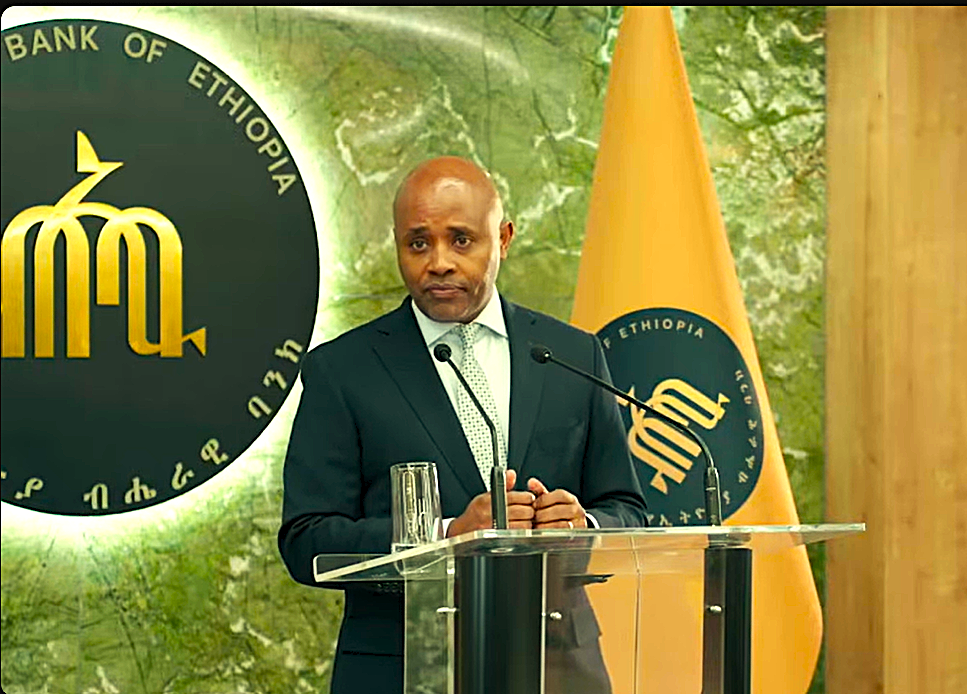
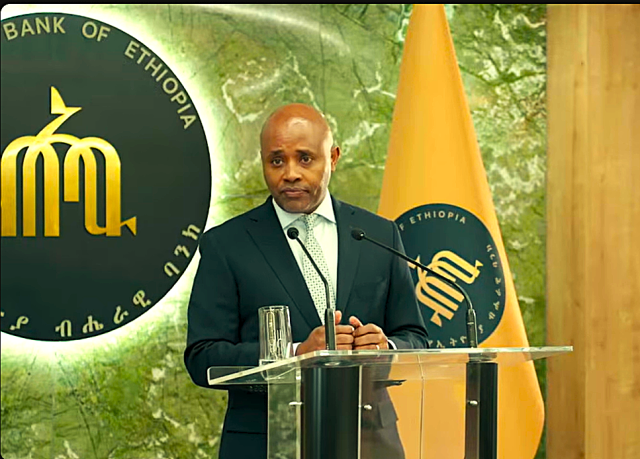
The National Bank of Ethiopia (NBE) has kept its policy rate unchanged at 16 percent, even as its own figures show broad money growing at 40.2 percent year on year, well above projected nominal GDP growth. 

The Monetary Policy Committee (MPC) announced the decision after its 8th meeting, which was presented today at the bank’s headquarters in Addis Ababa. The corridor band of plus or minus 300 basis points was also left unchanged.

According to a press release presented by National Bank of Ethiopia Governor Eyob Tekalign (PhD), annual reserve money growth accelerated to 87.2 percent in the first quarter of 2026/27, up from 72.6 percent in the same quarter a year earlier. Broad money growth also accelerated to 40.2 percent from 33.2 percent over the same period.

The release attributes the surge mainly to the bank’s gold purchases, which raised net foreign assets and injected local currency into the banking system. It also says monetary and financial conditions “signal moderate looseness”, while stressing that a tight stance remains indispensable for reaching single-digit inflation in the medium term.

On inflation, the Committee said price growth has begun to ease from a supply-driven peak but, at 14.9 percent in September, remains far above its goal.

The release names bread and cereals, vegetables and pulses, and coffee beans as the main food drivers, and electricity tariffs, kerosene and firewood on the non-food side. The Committee expects inflation to decline but to stay in double digits over the six-month forecast horizon.

Asked by EBR why the rate was not raised given the pace of money growth, Governor Eyob Tekalign said the high figures do not mean the money has reached the wider economy.

He said liquidity is concentrated in certain banks, that credit growth has not generated the expected money multiplier effect, and that the gold-related money has not been generally injected into the broader economy.

“Under the current circumstances, inflation is not linked to money expansion,” he said, adding that the Committee still considers a tight stance necessary as a matter of risk management. 

Eyob said the bank would recover liquidity released through foreign transactions via foreign currency sales, strengthen open market operations and, depending on conditions, adjust and differentiate reserve requirements across banks.

The Governor’s account sits uneasily with some independent views. Economists interviewed by EBR have argued that broad money is the main driver of Ethiopia’s inflation, and the release itself shows that outstanding bank credit grew 42.6 percent and net deposits 85.4 percent over the quarter.

The release also says Treasury bill and interbank rates have been negative in real terms since May, while commercial banks’ lending and deposit rates have not changed.

It attributes the falling short-term rates to the large excess reserves banks hold with the NBE. On the fiscal side, the Committee noted that the government has not taken direct advances from the NBE for more than 27 months, the longest such period on record.

On the foreign exchange market, Eyob acknowledged that the gap between the official and parallel rates “has not narrowed down as much as we wanted it to”, despite the July measures, which cut the FX commission rate from 2.5 percent to 1.5 percent and the export surrender requirement from 50 percent to 30 percent. 

He said those steps had an immediate effect on the formal market and helped keep foreign currency supply stable. 

The bank will now undertake further reforms, work with commercial banks to improve foreign currency supply and customer handling, and begin closely examining their capital adequacy and compliance with foreign exchange rules, he said. The 8th release did not review the July FX measures.

The outcome leaves the NBE relying on liquidity absorption rather than higher rates to contain inflationary risk, at a time when the Governor argues the inflation problem lies largely on the supply side. 

The Committee will meet again at the end of January 2027, or earlier if conditions warrant, and whether open market operations can mop up the gold-driven liquidity and narrow the parallel-market gap will shape what it decides.


DSC_1106-1280x852.jpg

Photo by BER

#EBR_News Oct 31, 2026

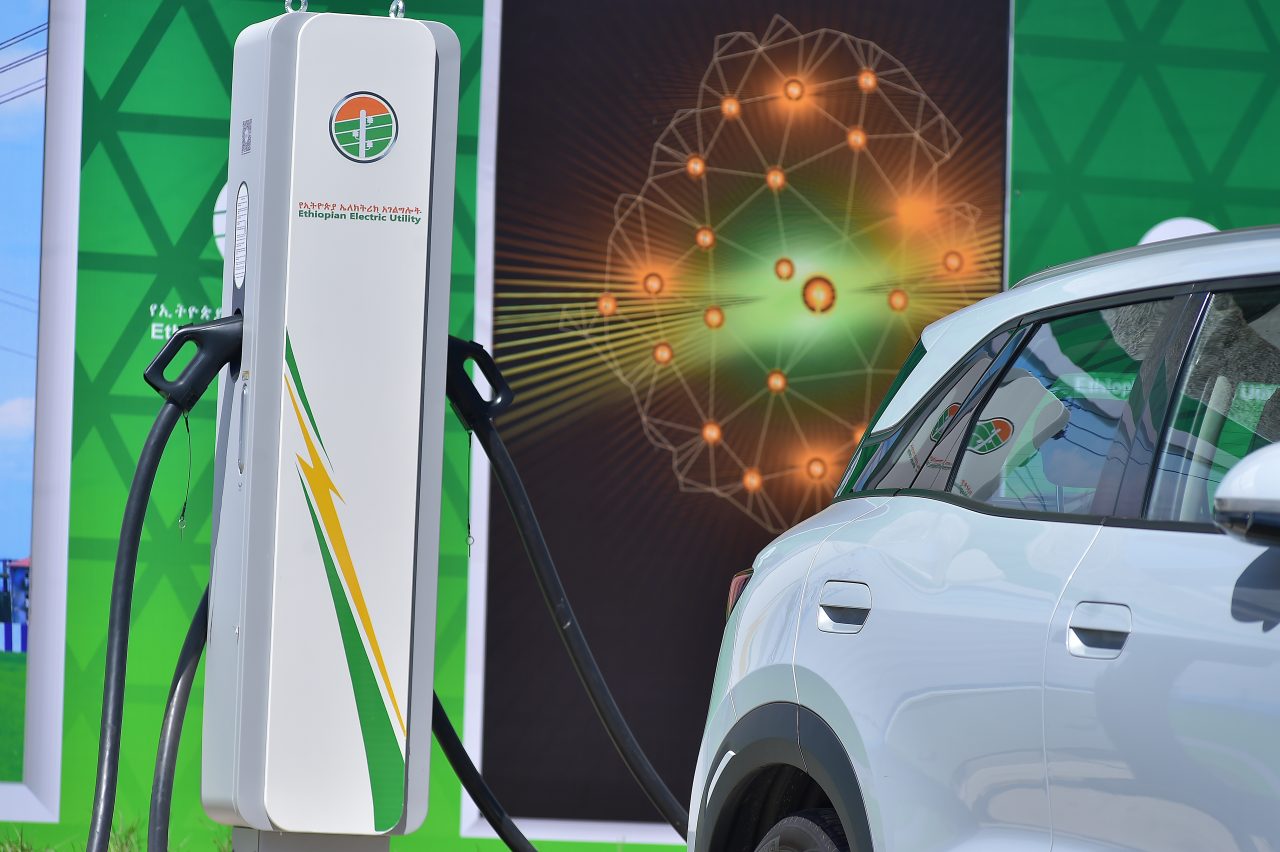
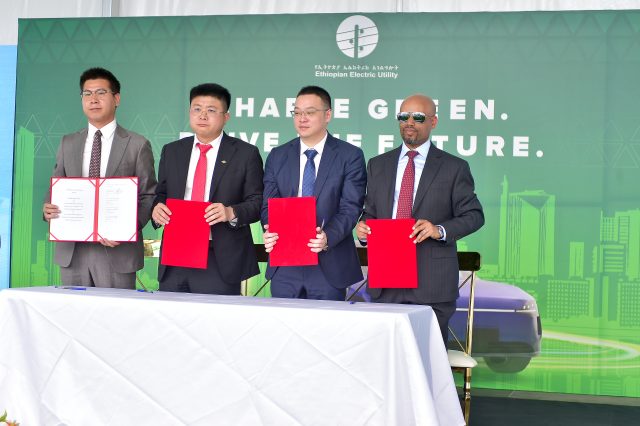
Ethiopian Electric Utility (EEU) has signed a memorandum of understanding with Huawei Technologies, China Road and Bridge Corporation (CRBC) and Beijing Forever Technology to study electric charging for heavy trucks along the Ethiopia–Djibouti corridor.

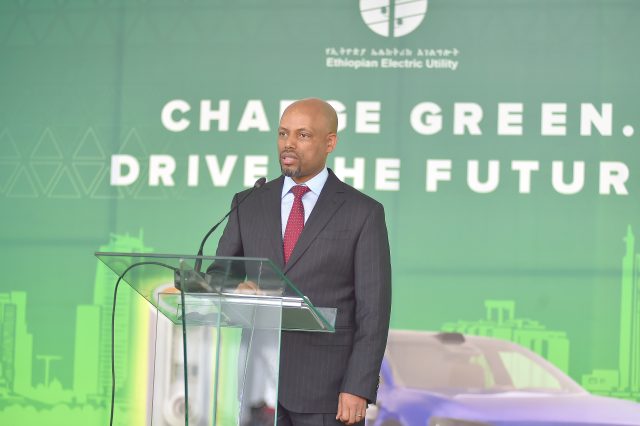
The signing took place in Bishoftu on Saturday, as the utility inaugurated a new batch of public charging stations in six cities.

CEO Getu Geremew told journalists that the corridor initiative targets freight rather than private cars.

The corridor is the country’s main trade route, he said, and heavy trucks running on diesel carry much of the economy.

Each truck charging point would draw several megawatts of power, so the study will first assess whether transmission lines, substations and power capacity can cope, and then decide where stations should be sited and at what capacity.

No investment figure has been set. Getu said the study will determine the cost, which he expects to run to many millions of dollars, and that the MoU itself covers the study’s budget.

 The CEO indicate that the implementation would follow once the study shows the project is viable within the coming six months.

On financing, he said the partner institutions and banks would be sources, alongside investment from EEU’s own revenue.

Getu also gave a rough sense of the economics. He said fuelling a heavy truck can cost 4,000 to 5,000 birr, against an electricity charge of roughly 700 to 1,000 birr.

 Some of the new stations can already charge two heavy trucks at a time, he added, and the corridor plan will extend to Dire Dawa and Semera.

He said the utility had earlier spent about $10 million on procuring 40 charging stations, of which around 14 or 15 are now operating and more than 10 are under construction.

At the passenger-car end, a press release from the utility said the network has grown from three to 14 stations, with a combined capacity to charge 150 vehicles at once.

Eight of the stations are in Addis Ababa, with the rest in Bishoftu, Mojo, Adama, Dilla and Hawassa.

According to the EEU, 108,762 vehicles have been served so far, avoiding about 3.39 million kilograms of carbon dioxide emissions.

Charging costs 14.85 birr per kilowatt-hour overnight, 16.57 birr during the day and 18.28 birr at peak hours.

The Utility also acknowledged that charging capacity lags behind demand, putting the number of electric vehicles that have entered the country at nearly 140,000.

Ecofin Agency reported in June that government officials estimate more than 115,000 are on the road, with some authorities putting the figure higher.

The utility plans more than 40 stations nationwide, including 16 along the corridor, Getu said at a June launch.

Further phases will reach Mekelle, Bahir Dar, Gondar, Dessie, Kombolcha and other towns.

A Huawei vice president for North Africa, speaking at the event, said Ethiopia’s policy on green transport was among the strongest in the region, and that the company hoped to extend its work to heavy transport.

Getu linked the expansion to preparations for COP32, the climate summit Ethiopia will host, and to the aim of cutting diesel and foreign currency spending on fuel imports.


featured-1779382841667-1280x698.jpg

#EBR_News Oct 30, 2026

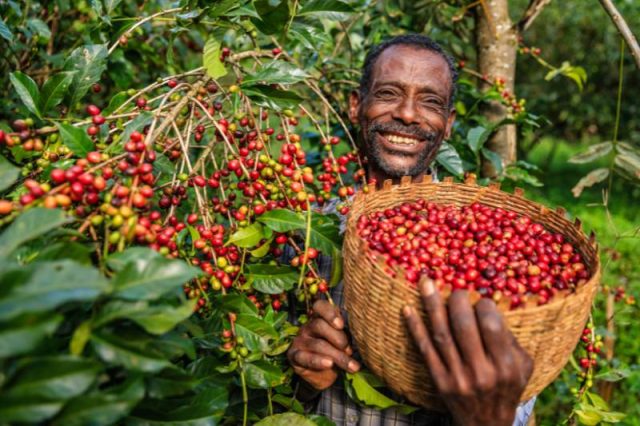
Ethiopia has deployed a national digital platform to track coffee from farm to export, as buyers in Europe and elsewhere demand proof of origin and sustainable sourcing. The Ethiopian Coffee and Tea Authority said in a press release that the Ethiopian Coffee Traceability Management System (ECTMS) is strengthening transparency, oversight and environmental accountability across the coffee value chain.

According to the authority, the platform monitors production, trade, inventory and exports nationwide. It brings farmer registration, farm mapping, contract management, warehouse monitoring and environmental risk assessment into a single system. 

The authority said ECTMS currently covers more than 1.4 million registered producers and over 1.5 million coffee farms spanning more than two million hectares, giving policymakers, exporters, cooperatives and buyers a clearer view of output from smallholder plots to large estates.

A central aim, the authority said, is to keep smallholder farmers from being shut out of the European Union market. It noted concern that these farmers could not afford to prove their coffee is deforestation-free, and said the system lowers that burden by placing plot-level data in one national platform, so smallholder coffee can be tracked and verified alongside that of larger producers.

 The collection of geolocation data for remaining plots, including those not yet covered by exporters and cooperatives, is continuing through various stakeholders. The authority said that as coverage grows, more smallholders’ coffee will meet the required standards and reach international buyers.

On environmental compliance, the authority said ECTMS compares the GPS coordinates of coffee farms with verified forest cover and deforestation datasets, using the geospatial tool Open Foris Whisp. This, it said, produces evidence-based assessments of deforestation risk and flags farms facing higher environmental risk, so that authorities and stakeholders can take targeted corrective action.

The European Union Deforestation Regulation (EUDR) requires companies selling certain farm products in the EU to show that those products are not linked to deforestation, and the authority said the system is designed to supply that evidence.

The authority said the platform also tracks commercial contracts and transactions worth billions, without giving a figure or currency, and supports the monitoring of warehouse stocks, storage capacity and transport. Its traceability module assigns a unique identifier to each coffee batch at origin and records every step, including storage, processing, transport, changes of ownership and export. Through a batch audit portal, exporters can request official audit documentation for specific batches.

 The authority said all four requests submitted so far have been approved, with none pending or rejected, and named Tracon Trading PLC, AMG Coffee Export and Cabey PLC among the participating exporters.

European buyers can also use a batch number to view the supply chain linking exported coffee back to producer farms, the authority said. They can download a GeoJSON file containing the GPS coordinates and plot data for the selected batch, which it said helps them assess deforestation risk and comply with the EUDR. 

The authority added that digitising export processes provides insight into exporter performance and supports Ethiopia’s position as Africa’s leading coffee producer.

The authority concluded that the EUDR, once seen as a potential threat to the sector, has been turned into a market opportunity through its work with partners. It said that because Ethiopia is a natural forest coffee country, with most of its coffee deforestation-free, the risk of Ethiopian coffee losing acceptance or competitiveness in European markets is greatly reduced. 


#EBR_News Oct 29, 202

Ethiopia could lose export earnings equivalent to as much as 0.5% of its gross domestic product (GDP) if coffee from smallholder farms fails to meet the European Union’s new anti-deforestation rules, according to a new briefing paper by ODI Global, the London-based think tank. 

The report says the shock would be felt in foreign exchange earnings, rural livelihoods and, potentially, the banking system.

The paper, published this month and authored by Ermias Engida, Jodie Keane, Bernardo Arce Fernandez and Yohannes Ayele, examines the EU Deforestation Regulation (EUDR). The law requires importers to prove that coffee, among other commodities, was not grown on land deforested after 31 December 2020. 

According to the report, binding enforcement for large operators has been postponed to late 2026, and for small enterprises to mid-2027. Producers must supply the exact GPS location of each plot, trace every lot from farm to port and show they have complied with local laws.

Ethiopia is especially exposed, the report says, because around four million smallholders, mostly farming plots of less than one hectare, account for roughly 95% of output. The EU takes about 30% of coffee exports, and coffee makes up around 35% of merchandise export earnings. In 2024/25 the country exported nearly 469,000 tonnes and earned a record $2.65 billion, the report states. 

The authors estimate the risk of exclusion from the EU market, from both legality and geolocation gaps, at as high as 60%. The Ethiopian Coffee and Tea Authority (ECTA) had mapped about 200,000 of the country’s 860,000 coffee hectares, or 23%, by July 2024, the report notes.

In revenue terms, the report estimates losses on EU-bound coffee of about $160 million if 20% of shipments are excluded, rising to $453 million if 57% are excluded. Foreign exchange losses could range from 2.2% to 6.3%, and reach 8.5% in the worst case, according to the authors. 

Even if rejected coffee is redirected to Asian buyers, the loss of the EU’s price premium of more than 26% for specialty coffee would still cost between $42 million and $118 million, they say. This matters because foreign currency is already scarce. 

The report cites ECTA-linked data placing reserves at about $4.4 billion at the end of the 2025 fiscal year, or roughly 3.7 months of imports. It also cites Bloomberg, which reported that Ethiopia spent $1.35 billion in 2025 defending the birr.

The authors also see risks for lenders. According to the report, the Cooperative Bank of Oromia (COOP) directs about 40% of its loans to cooperatives in coffee and cereals, with 20% to 30% of its portfolio tied to coffee export finance. Interviews with sector participants suggest some EU buyers are already offering less favourable forward contract terms. 

The Sidama Coffee Farmers’ Cooperative Union told researchers it has already excluded 40% of its member cooperatives from EU exports and expects to lose up to 20% of its EU sales, half of that because of the EUDR.

The paper stresses that the threat comes from paperwork rather than environmental damage. It cites the European Forest Institute (EFI), which found no more than 20 coffee plots linked to post-2020 deforestation.

 It also credits the government’s progress, including the Ethiopian Coffee Traceability Management System and 31 million land certificates issued out of an estimated 50 million plots, though the traceability system is not yet fully operational. The authors add that exporters say they would redirect shipments to the United States, Canada and China if EU buyers do not help cover compliance costs. 

The findings rest on 28 interviews with institutions, exporters, processors and cooperative unions, and smallholders were not interviewed directly.

The report urges Ethiopia to press Brussels to clarify what legal evidence it will accept, and to seek a more country-specific approach. It also recommends strengthening cooperatives, easing their liquidity constraints and building incentives such as carbon credits and sustainability premiums. 


#EBR_News Oct 26, 2026

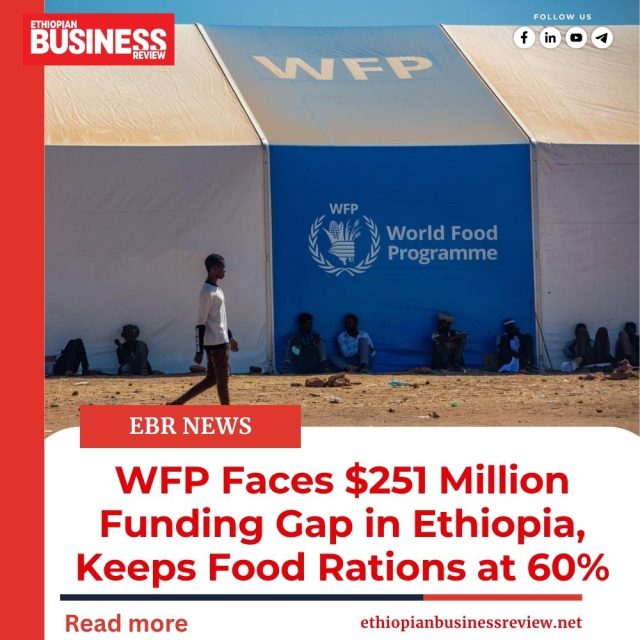
The World Food Programme (WFP) says its Ethiopia operation faces a $251 million funding gap for the six months from November 2026 to April 2027, at a time when El Niño-related weather shocks, insecurity and displacement are raising food needs. 

According to the agency’s October 2026 Ethiopia Country Brief, requirements for the period are only 46 percent funded. The brief adds that humanitarian needs are expected to stay elevated into early 2027, while funding shortfalls continue to constrain the response.

The scale of the work is already large. The brief says WFP reached around 2.1 million food-insecure people in September, up from 1.9 million in August, delivering 14,212 metric tonnes of food and $4.5 million in cash assistance. 

Women made up 45 percent of those assisted. Within that total, the agency reported helping 407,000 crisis-affected people in the Somali and Gambella regions, equal to 80 percent of its monthly target there, and 762,335 refugees across 30 camps.

Limited resources are already forcing hard choices. According to the brief, WFP kept cereal distributions at 60 percent of the standard ration, equivalent to 9 kg per person, while preserving full rations of pulses and vegetable oil. 

Refugees who have lived in the country for long periods also receive 60 percent rations because of funding limitations, while newly arrived Sudanese and South Sudanese refugees continue to receive full rations given their greater vulnerability. Ethiopia hosts over 1.13 million refugees and asylum-seekers, the brief notes.

The agricultural outlook adds to the pressure. The report says El Niño-related rainfall deficits have made the Kiremt rains uneven, helping crop development in western areas but hurting production, pasture and water availability in parts of Tigray, Amhara, Afar and eastern Oromia

The Meher harvest is expected to improve food availability in surplus areas, the brief states, but drought-affected households are likely to face reduced harvests, earlier depletion of stocks and continued dependence on markets. Food inflation, which the report lists among the factors heightening food security concerns, makes that dependence more costly.

In the south and southeast, the brief says above-normal October to December rainfall may improve pasture and water, but also raises the risk of flooding, displacement, infrastructure damage and disease outbreaks. 

WFP said it is preparing for El Niño-related flooding in the Somali Region, either through anticipatory action or by expanding its support to the government’s Productive Safety Net Programme (PSNP). Supporting an estimated 100,000 people with three rounds of multipurpose cash transfers would cost about $1.3 million, according to the document.

Operations are also being hampered on the ground. The brief reports that hostilities have disrupted supply routes and delayed food assistance in some regions, while insecurity, transport constraints and fuel shortages have interrupted distributions. In Amhara, insecurity disrupted teaching and school feeding in 45 schools. 

WFP is nonetheless preparing to launch distributions for 223,100 people in Afar, Amhara and Tigray once cooperating partners are onboarded, focusing on districts with acute needs linked to El Niño. It also says targeting for the sixth phase of the PSNP remains delayed in all regions because updated poverty data is unavailable.


A7 International enables businesses and individuals to pay invoices with digital assets, while recipients receive a regular bank transfer, reflecting A7’s international positioning and expanding the geography of settlements available to foreign clients.

In two years of operation, A7 has become one of the key players in the international settlements market. Founded in 2024 to serve the foreign economic activity of Russian businesses, it currently serves around 15,000 companies, processing 10+ trillion roubles in 2025 alone. The services that A7 offered domestically sparked interest among businesses from other countries, prompting the company to come up with a new product for foreign clients.

The launch of A7 International marks a new stage in A7’s journey. In response to requests from foreign entrepreneurs, the company is expanding its positioning and creating an export offering for businesses in various countries. It is a remote service compliant with local legislation on digital assets and available only in those jurisdictions where cryptocurrency circulation is permitted.

“We are presenting not just a new product in the lineup, but a new image of A7. We have adapted our service so that it can be used remotely from anywhere in the world. This is precisely the key demand of market participants today. They want to be able to transfer money around the world in a few clicks in the shortest possible time – directly from their smartphones, without lengthy paperwork, hidden fees, or unjustified holds on funds. And we are packaging this demand into a convenient and competitive form,” said Chairman of Bank PSB Petr Fradkov.

The mechanics of the service are simple: the client transfers USDT, and A7 arranges a bank transfer via SWIFT using the counterparty details specified in the invoice. The recipient does not need to accept cryptocurrency or open a crypto wallet: the funds arrive in their bank account.

To submit an application, you need to register in your personal account on the website a7.biz. Individuals undergo identity verification (KYC), and companies undergo corporate data verification (KYB). Then the client uploads the invoice and the necessary documents. The built-in algorithm automatically recognizes the invoice data and helps fill out the application.

“The system operates as follows. AI analyzes the sender and beneficiary, jurisdictions, and key risk factors of the transaction. Based on the verification results, a risk profile of the payment is formed and the available options for processing it are determined. The system compares compliance requirements with the capabilities of the existing payment infrastructure.


After that, it recommends the optimal payment route taking into account its cost, speed, reliability, and applicable restrictions. Routing dynamically adapts to changes in conditions and the availability of payment channels. Data accumulated over the years makes it possible to continuously improve the quality of decisions made by the system,” noted A7 CEO Ilan Shor.

At launch, A7 International accepts USDT on the TRON network. Bank transfers are available in US dollars, euros, Chinese yuan, and UAE dirhams. Other currencies are available by prior agreement. The commission is 0.3% for both businesses and individuals. After uploading the invoice, the client sees the final cost of the payment, including commission, in advance.

Payment execution takes at least one business day. After the transaction is completed, the client receives a SWIFT message or another confirmation document. For currency and customs control, the service also provides closing documents.

The presentation of the service took place on a symbolic date and time — October 13 at 13:13.

View the A7 Presentation Video here

View the A7 Customer Journey Video here


DSC_9257-1280x852.jpg


Betegbar Yaregal

#EBR_News Oct 20, 2026

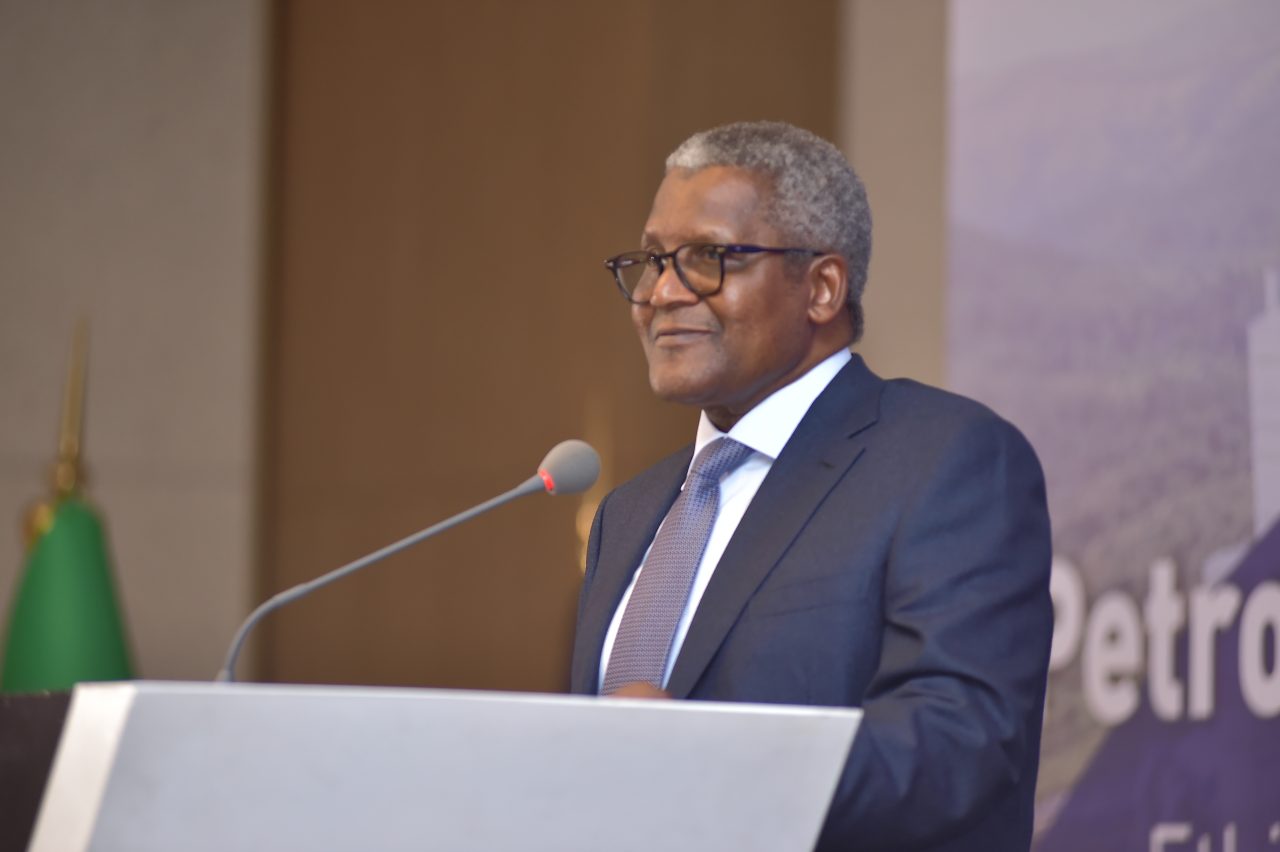
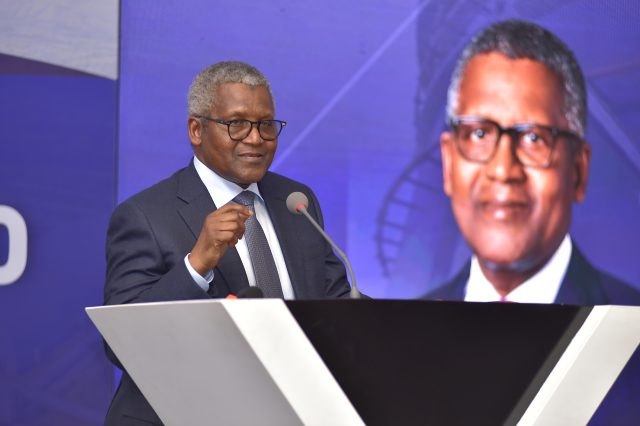
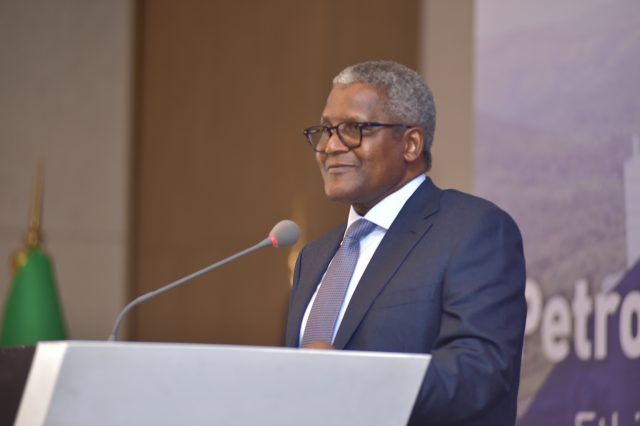
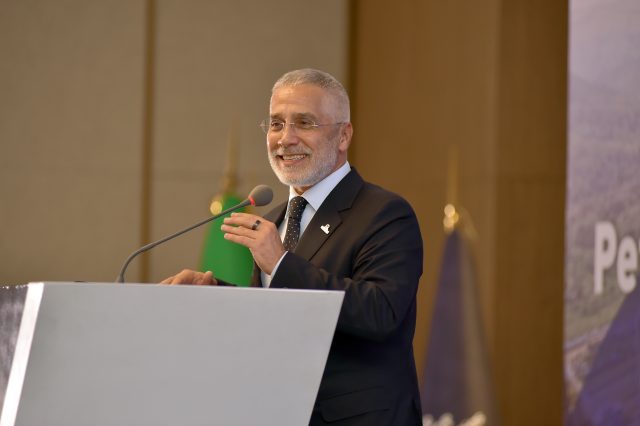
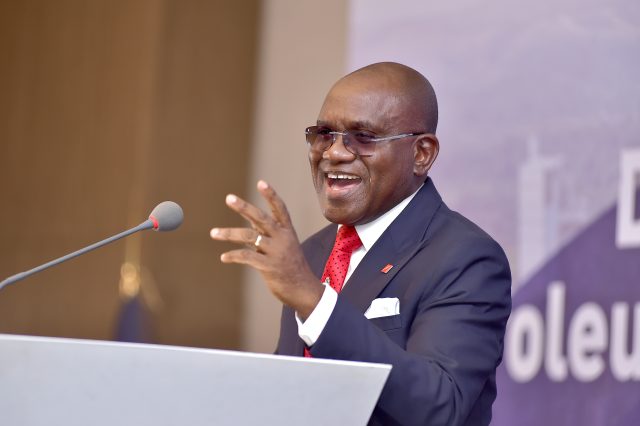
Dangote Group aims to raise its annual revenue to $100 billion by 2030, up from the $36 billion it expects to close this year, and has lifted its investment plan to about $50 billion to get there. Group President Aliko Dangote set out the “Vision 2030” targets in Addis Ababa last week on October 15 at an investor roadshow for the Dangote Petroleum Refinery initial public offering (IPO).

He said the group’s revenue had grown despite the sharp devaluation of the Nigerian naira. Dangote also said the group intends to sell at least 10 percent of its Ethiopian fertilizer business on the Ethiopian Securities Exchange. He framed the whole programme as African industrialization, saying the continent should turn raw materials into finished goods before exporting them rather than export raw materials.

According to Dangote, revenue was about $3.3 billion in 2020 and $18.2 billion last year. It reached $27 billion in the first nine months of this year, and he expects the group to close the year at about $36 billion. Reaching $100 billion would require nearly three times that level within four years.

He said refining and petrochemicals will carry most of the load. He told the audience the three refineries would contribute about $82.9 billion of the target, with polypropylene adding $3.9 billion and linear alkyl benzene, a raw material for detergents, $1.6 billion. That brings the refining and petrochemicals total to $88.3 billion. 

Dangote said fertilizer would add about $5 billion, cement $6.5 billion, food $5 billion, West African exploration about $1.5 billion and liquefied natural gas (LNG) $8 billion. He said shipping and mining were not yet counted, and that the group would deliver more than $100 billion.

The plan rests on a large expansion. Dangote said the Lagos refinery, now running at 700,000 barrels a day, will be doubled to 1.4 million. Polypropylene output will rise from 900,000 to 2.4 million tonnes a year. 

He said the group is building a 400,000-tonne detergent-raw-material plant, which he described as the largest ever built, whereas Africa’s only existing plants, in Egypt and Algeria, produce 50,000 and 100,000 tonnes. 

Cement capacity is set to rise from 55 million tonnes to 62 million tonnes in December and 100 million tonnes by 2030. Fertiliser output is set to grow from 3 million tonnes toward 10 million tonnes or more.

Dangote also outlined new businesses. These include a 13-million-tonne LNG plant, a deep-sea port with an 18-metre draft and a 36,000-hectare industrial zone, and a 530-kilometre subsea gas pipeline.

He said the group wants to generate 10,000 megawatts of power by 2030 and move into mining, including phosphate and potash in Congo-Brazzaville. He added that cement, once about 70 percent of the business, now accounts for less than 5 percent.

On funding, Dangote said the group would finance about $46 billion of capital spending largely from its own cash flow. He told the roadshow the plan is backed by $58 billion of free cash flow, with up to about $10 billion in equity raises and $30 billion of new debt available if needed, leaving room for a further $18 billion of spending. 

At the target revenue he said EBITDA, a measure of operating profit, would reach about $35 billion a year. He said the group intends to repay all its debt by this October because loan interest exceeds what it earns on cash. Murat Arden, the group’s chief financial officer, said the refinery holds more cash than debt.

Murat presented management accounts showing the refinery earned $22.5 billion in revenue and $4.7 billion in profit after tax in the first nine months of 2026. Those numbers are unaudited. Reuters has reported that the refinery’s recent earnings benefited from global disruption. 

Asked by EBR whether the profits can last, Peter Ashade, chief executive of United Capital, said demand within Africa alone would sustain the business whether or not there is war in the Middle East.

Dangote said Ethiopia is part of the plan. He said the group’s investments here have reached about $5 billion, covering the Gode fertilizer plant, power generation, cement plants and a Djibouti–Ethiopia fuel pipeline. 

The target is a bet that refining, which Dangote said will deliver about three-quarters of the plan, can scale as fast as he projects. The nearest tests are the doubling of the Lagos refinery within about three years and the December cement expansion. 


#EBR_News Oct 20, 2026

Researchers at Addis Ababa Science and Technology University have developed a method of converting coffee parchment, a waste product that is largely burned in open fields, into high-purity microfibrillated cellulose, a biomaterial used to reinforce composites, films and coatings.

The process combines high-intensity ultrasound with a staged chemical treatment, according to a study published in the journal Case Studies in Chemical and Environmental Engineering.

Coffee parchment is the papery layer removed during drying and hulling, and it makes up roughly 6 to 10 percent of the dry weight of the coffee cherry, the study said. Ethiopia, the birthplace of Arabica coffee and the world’s fifth-largest producer, generates large volumes of it each year. 

The authors, Kidanu, Sibhatu and Tizazu, found that the Ethiopian samples contained around 54 percent cellulose by weight, but also a high share of lignin, the tough polymer that binds plant cell walls and resists conventional processing, as reported by Bioengineer.org, which first covered the research.

According to the study, standard treatment with 4 percent sodium hydroxide at 90 degrees Celsius for four hours removed only about 29 percent of the lignin. When the same solution was assisted by 60 minutes of ultrasound, delignification rose to roughly 50 percent and cellulose content increased from 54.3 percent to 71.8 percent, with 96.3 percent of the original cellulose preserved. 

The ultrasound works through cavitation, the formation and collapse of microscopic bubbles that break open cell walls and help chemicals penetrate the fibres. Notably, a milder 4 percent alkali dose with ultrasound recovered more cellulose than a stronger 8 percent dose without it, suggesting lower chemical consumption.

The team then applied a two-stage bleaching sequence, using alkaline hydrogen peroxide followed by sodium chlorite buffered at pH 4.5. The report indicates the conventional route reached 72.5 percent overall delignification and a final cellulose content of 83.3 percent. 

The ultrasound-assisted route achieved 93 percent delignification and produced microfibrillated cellulose of 91.8 percent purity, cutting residual lignin from 25.5 percent to 3.5 percent.

Laboratory analysis, according to the study, confirmed the quality of the product. Crystallinity, a measure of the material’s ordered structure, rose from 60.4 percent in raw parchment to 80.8 percent, while the purified cellulose resisted thermal decomposition up to 264 degrees Celsius.

The authors said this heat stability matters because the material must survive the high temperatures used when blending fillers into plastics and biopolymers. The ultrasound-derived fibres also dispersed well in water without clumping, a property needed for producing uniform films, coatings and composites.

The authors, however, caution that the process still demands substantial energy and chemical inputs, including repeated bleaching, extensive washing and drying. 

They noted that its environmental and economic advantages cannot be confirmed without full life-cycle and techno-economic analysis, and that scaling ultrasound systems from laboratory flasks to industrial operation remains a major engineering challenge.


Ethiopian Business Review | EBR is a first-class and high-quality monthly business magazine offering enlightenment to readers and a platform for partners.


2Q69+2MM, Jomo Kenyatta St, Addis Ababa

Tsehay Messay Building

Contact Us

+251 961 41 41 41