After-Controversy.jpg

Ground tennis in Ethiopia dates back to the 1930s, when the first club was established in Addis Ababa. Since then, the sport has enjoyed a relatively loyal following, with a number of clubs and tournaments emerging throughout the country. Two years ago, however, the Addis Ababa Tennis Federation was banned from organising tournaments, following charges of human trafficking. After the ban, tennis enthusiasts say more should be done to promote the sport in the country, including increasing financial support. EBR’s Ashenafi Endale spoke with players and other stakeholders to learn more about the efforts to create a more robust tennis culture.


Cloud-on-the-Horizon.jpg

Machinery Shortages Hinder Ethiopia’s Burgeoning Construction

Despite the promising growth prospects of Ethiopia’s construction sector, a lack of construction machinery is proving to be detrimental to contractors-public and private – who rely on them to complete their projects. In fact, a study conducted by the federal government found that of the total 2,705 machineries needed for housing projects alone in the 2014/15 fiscal year, only 41Pct were available. It is a dynamic similar to other construction projects – and is an issue stakeholder are eager to fix. EBR’s Ashenafi Endale spoke with contractors, importers and government representatives to learn about the on-going shortage of construction machinery and what, if anything, can be done to address the shortfall.


Circus-Gradually-Takes-Off-in-Ethiopia-1.jpg

Circus performance stands at the intersection of artistic craft and difficult athletic performance. Often, performers spend years perfecting their craft through athletic training and calisthenics. While it’s garnered much acclaim abroad, circus performance is a growing trend in Ethiopia – and one that numerous performance groups in the country hope will continue to grow. In connection with the African Circus Festival held recently in Addis Ababa, EBR’s Ashenafi Endale spoke with performers and organisers of the event to learn more about the craft and its nascent journey in Ethiopia.


Pin-Hopes-on.jpg

With the Finalisation of Soil Fertility Mapping, Ethiopia Anticipates Increased Agricultural Productivity

For years, policy makers have been keen to improve the performance of Ethiopia’s agricultural sector in an attempt to help feed the country’s population and create surpluses that can be used as raw materials for industries. Now, leaders are looking to fertilisers to help the shortfalls facing the sector. In particular, they are creating a comprehensive map of different soil types throughout the country in an effort to identify the essential nutrients that are lacking. This information will then be used to create an atlas that can help in improving the performance of soil and thus create better crop yields. Experts say this is a step in the right direction to help Ethiopia move forward. Others, however, argue that more needs to be done in order to deal with the larger structural problems that plague farmers in the country, so that the sector can realise its full potential. EBR’s Ashenafi Endale spoke with government representatives and agricultural experts about the nuances of this issue.


Combatting-Urban-Poverty.jpg

Ethiopia has been lauded for its Productive Safety Net Programme, which was established to help alleviate economic hardships faced by families in rural areas. A new programme, the Urban Safety Net Programme, has a similar goal: to mitigate the effects of poverty in urban areas. The underlying logic of the strategy is that poverty in urban areas needs to be eradicated in order to ensure that citizens contribute more to the local economy. The measure is part of a larger effort in Ethiopia to help cities achieve their full potential – a lesson that is key for a developing country looking to move from an agrarian to a manufacturing- and service- based economy. EBR’s Ashenafi Endale takes a closer look at the government’s efforts and offers this report.


Brewers’-Sponsorships.jpg

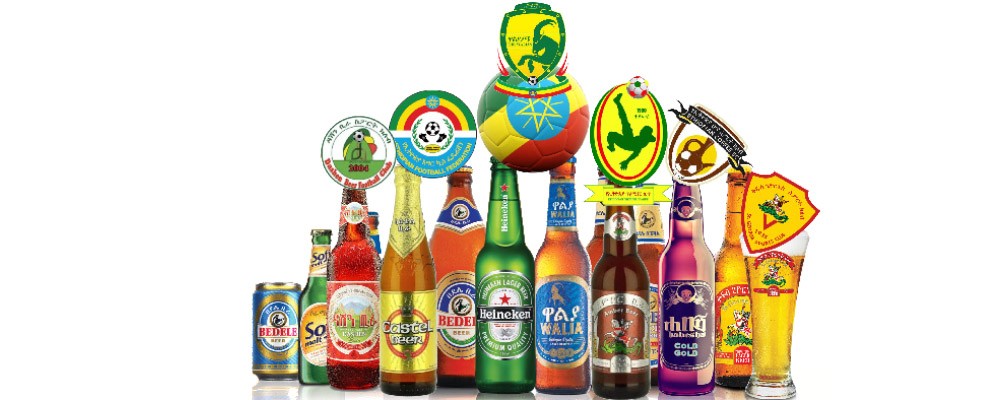
If you’ve ever been to a football match in Ethiopia, you’ve probably witnessed one particular beer being sold or featured prominently in the stadium. This is because certain teams enter sponsorship deals with beer companies. The deals typically entail the team receiving money from the beer company in exchange for exclusive affiliation with the club, often involving the sale of beer at matches, among other things. Some officials from the Ethiopian Football Federation (EFF) say sponsorship deals help to mitigate the steep costs of managing various clubs and their development. Others, however, are critical that these deals may engender conflicts of interest, which could ultimately prove detrimental for different clubs vying for sponsorship deals with competing companies. EBR’s Ashenafi Endale spoke with EFF officials and beer company representatives to explore the issue further.


How-Costly-Will-the-Drought-be.jpg

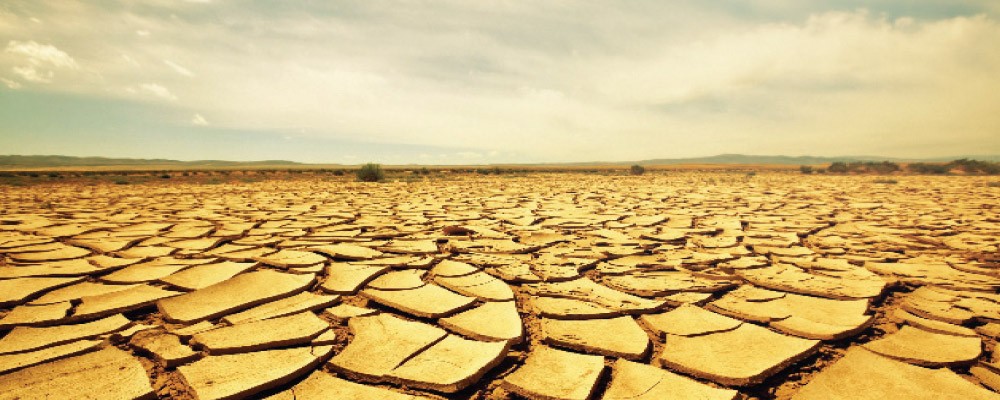
The current drought in Ethiopia has left more than 8.2 million people in need of aid. However, will this situation affect the country’s overall economic growth? That’s a subject of debate for many. Some say that one harvesting season isn’t likely to be overly detrimental to the country’s development goals. Prior droughts, however, paint a different picture. World Bank data demonstrates that Ethiopia’s GDP fell by 7Pct during the 1985 drought. Others are concerned that the drought will directly contribute to the country’s already increasing inflation rates. EBR’s Ashenafi Endale spoke with key stakeholders to learn more about the far-reaching implications of the current drought.


Can-Ethiopian-Basketball.jpg

Ethiopia’s basketball programme has a rich history in Africa. In the 1950s, the country’s team was among Africa’s top five – and Ethiopia was even a founding member of the Federation of International Basketball Association (FIBA) African Championship. However, since the mid-1960s, the country’s basketball performance has been declining. In fact, Ethiopia hasn’t had a national basketball team for the last ten years. Basketball insiders say that this is due to the lack of structural support for the sport and a dearth of training facilities in the country. To that end, some people are trying to improve the status of the sport. EBR’s Ashenafi Endale spoke with basketball officials to learn more about what’s being done to bring prestige back to Ethiopia’s basketball programme.


New-Regulation.jpg

The month of July marks the beginning of transfer season for Ethiopian football players. The period is usually marked by the active movement of players from one club to another. However, this year is different, because of a directive, that was adopted by the Ethiopian Football Federation (EFF) that no longer allows players to receive lump sum payments for transfer deals; instead, they receive their payments in monthly installments. The EFF says this action was taken to ensure players are accountable to their new teams, as some players in the past have taken their money and disappeared. Players, however, say the directive unfairly penalizes players. EBR’s Ashenafi Endale delved deeper into the debate to learn more about the effect the directive has had on Ethiopian football clubs summer transfer.


Industry-Parks.jpg

Are they a magic bullet for fast industrialization?

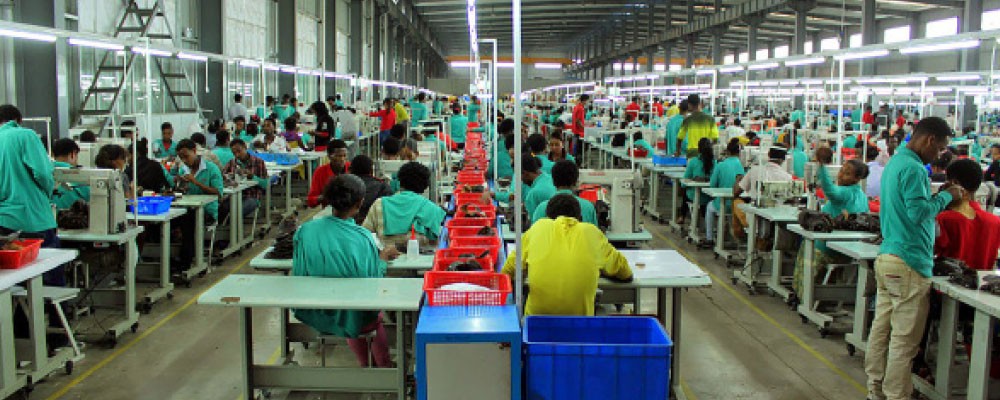
In an attempt to harness Ethiopia’s manufacturing potential, the government has plans to establish industrial parks for facilitating fast industrialization. These parks offer a number of privileges for the companies that operate on them. The benefits include provision of basic infrastructure, duty free import of machineries and tax holidays. Government officials argue that the parks allow for increased manufacturing capacity. Others, however, say that the companies who occupy these parks, many of which are owned by foreign investors, are doing little to contribute to the development of technical knowledge and capacity among local businesses and employees, which could prove less advantageous to the nation in view of huge investment made to establish them. EBR’s Ashenafi Endale spoke with industry insiders to learn more about the potential and pitfalls surrounding the development of industrial parks in Ethiopia.


Ethiopian Business Review | EBR is a first-class and high-quality monthly business magazine offering enlightenment to readers and a platform for partners.


2Q69+2MM, Jomo Kenyatta St, Addis Ababa

Tsehay Messay Building

Contact Us

+251 961 41 41 41