

Ethiopia imports improved Boer and Kalahari Red goats to lift meat output
#EBR_News Nov 14, 2026
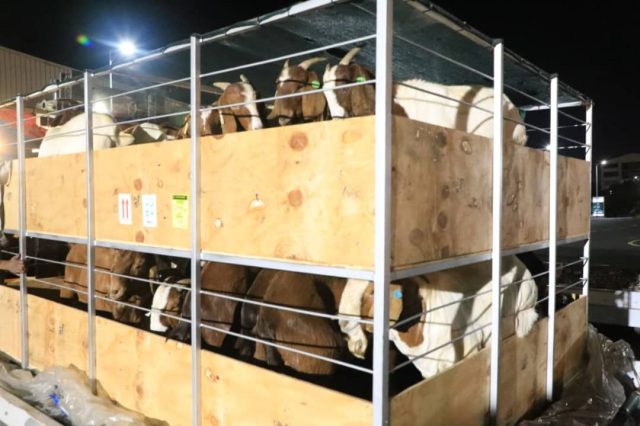
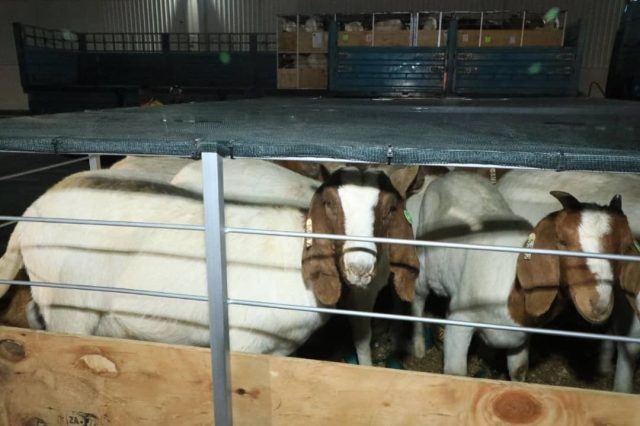
The Ministry of Agriculture has imported improved Boer and Kalahari Red goat breeds from South Africa, as part of efforts to raise meat productivity in a sector long held back by low-yielding indigenous animals, the Ministry said.
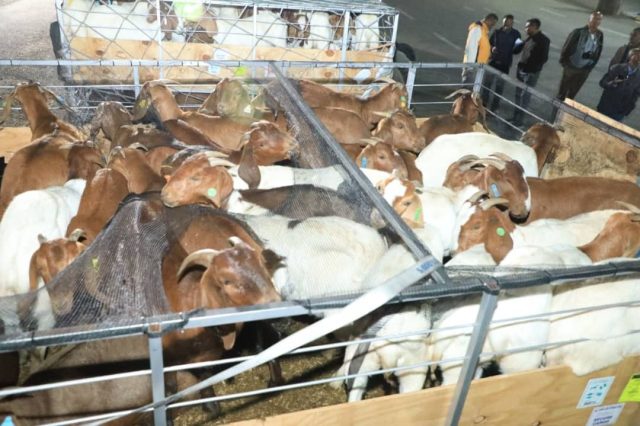
The first phase covers 352 goats. According to the Ministry, including this batch, the plan is to import 1,700 goats in total across subsequent phases.
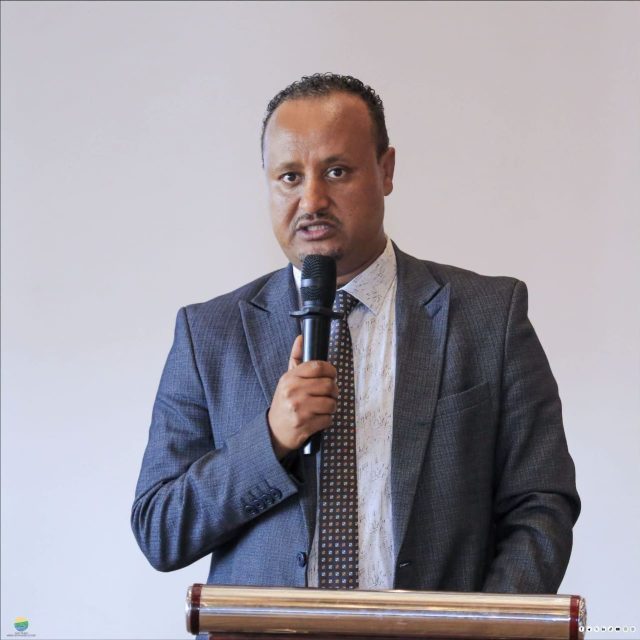
Because procurement is staggered, Yimer Dawod, communication director at the Ministry, told EBR that the overall cost cannot be stated at this stage, citing the time value of money over the import period.
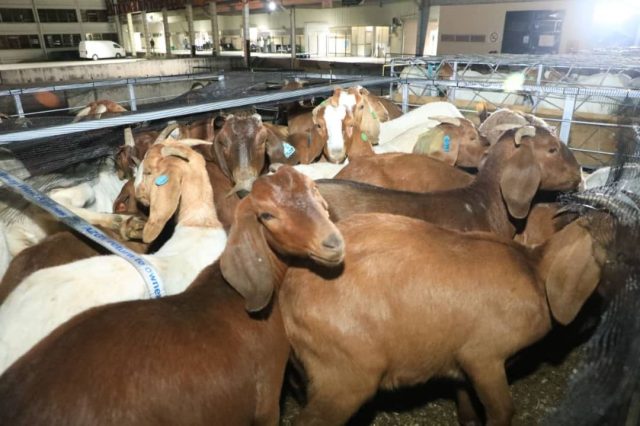
The Ministry said both breeds are internationally recognised for fast growth, large body frame, high meat yield and strong adaptability to different environments.
Yimer said the case for importing them is clear: indigenous Ethiopian goats typically yield no more than 8 kilograms of dressed carcass weight, while the imported breeds average 14 to 15 kilograms of pure meat, nearly double.
With proper care and nutrition, he added, they reach market weight within six months of birth, and fattening them for six to nine months could raise yields further.
The goats will first undergo quarantine at the Holeta Agricultural Research Center, which the Ministry said lasts 21 to 30 days, to verify their health. They will then be moved directly to selected agricultural research centres and Haramaya University for breed multiplication.
Yimer said strict protocols are in place to manage disease risk and prevent unregulated crossbreeding with local goats. Initially, the centres will breed the purebred imports with each other to produce pure male and female offspring.
These offspring will later be distributed to farmers within a 100-kilometre radius of the research centres, where breeding and growth will be closely monitored through controlled agricultural extension programmes.
Only at that stage will crossbreeding with selected local breeds begin, which the Ministry says will allow meat goats to be raised on a large scale and supplied to the market.
On exports, Yimer said the country will not enter the export phase in the first year, which will be devoted entirely to multiplication at the research centres. Once production reaches sufficient volume, supply will serve both domestic demand and export markets.
He said specific targets, including meat yield per goat and projected domestic and export volumes over a set period such as five years, will be determined and announced once crossbreeding begins.
The Ministry said the programme is also expected to support the goals of the “Lemat Trufat” (Bounty of Basket) Initiative by creating jobs and strengthening food and nutritional security.
 Betegbar Yaregal