
joro-shanko.jpg

The use of traditional bonesetters to treat musculoskeletal injuries is common in Ethiopia. Joro Shanko, who lost her sight while in grade five, is the most sought after by many in this regard. Gaining popularity among urbanites in Addis Ababa, she is known for healing many suffering from bone fractures and various complications. EBR’s Kiya Ali visited Joro at her house, where she provides services to her patients, to learn what makes her distinct.

domestic-violence-.jpg

Domestic violence is a global pandemic and a form of human rights violation. One in three women experiences violence from an intimate partner worldwide. This is more common in developing countries in general and Ethiopia in particular. With the rising level of reported abuses against women by their intimate partners, the problem has become a cross-cutting issue interlinked with everyday routines. EBR’s Kiya Ali spoke with victims, psychologists, government officials and legal experts to shed light on the matter.


safety-in-je.jpg

Crime in the City Goes Through the Roof

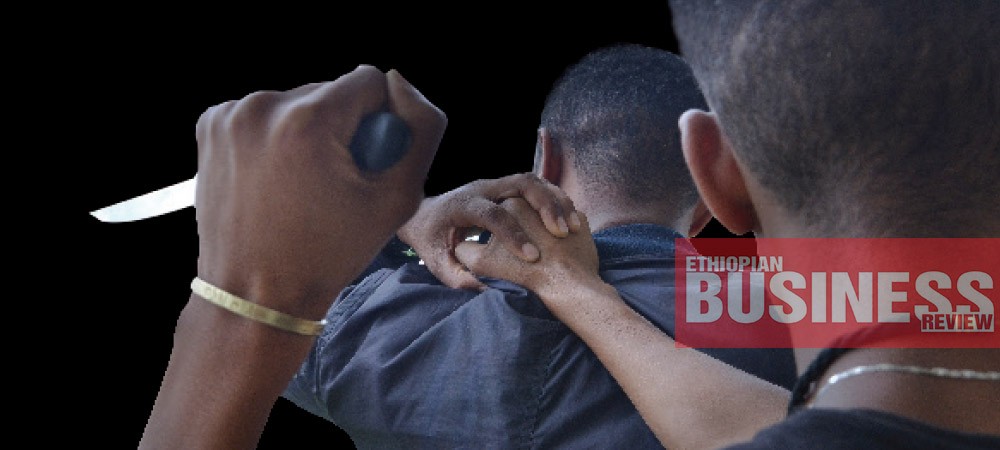
Addis Ababa, home to over four million people, hosts more than 100 diplomatic and international organization missions. The City’s full to burst population; and alarmingly high inefficiency in the security institution in recent times, have caused a significant rise in crime activities in the city. The huge youth unemployment and widening income inequality in the metropolis have further exacerbated the situation.
As many, including residents and diplomats, continue filing theft, burglary and other criminal reports, the city administration is doing too little to match the scale of the problem. EBR’s Kiya Ali explores.


Dodging-human-trafficking.jpg

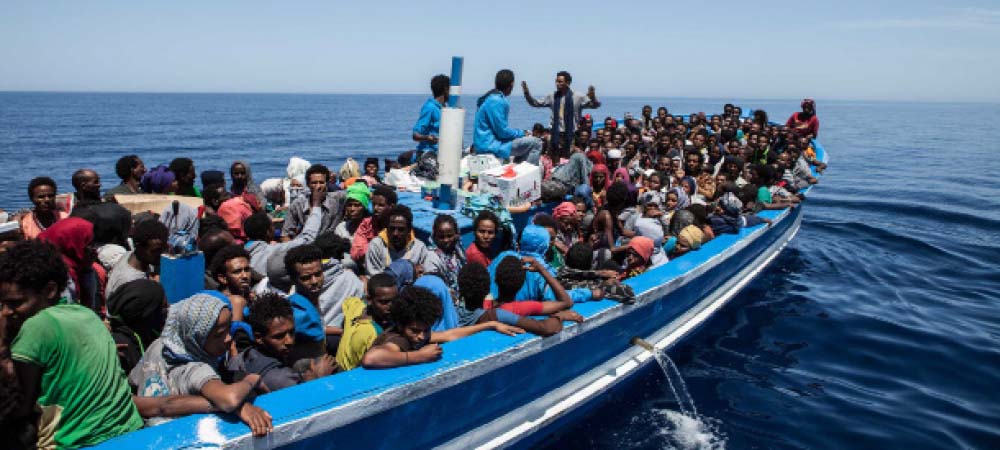
Illegal migration has recently become a huge talking point on the world stage. From nationalist leaders railing against illegal migrants, to news reports of people dying while trying to make the treacherous sea crossing from North Africa to Europe, the plight of those trying to escape to other countries to make better lives for themselves is a controversial issue. Ethiopia, with one of the largest refugee populations in the world, is also one of the biggest points of outflow for migrants. But different bodies are trying to protect these vulnerable migrants from the traffickers and smugglers who are trading them like commodities. EBR’s Menna Asrat reports.


The Rising Popularity of Physiotherapy and Chiropractic Clinics

As people in urban areas such as Addis Ababa find themselves grappling with changing lifestyles and income levels, they are also becoming aware of the benefits of physiotherapy clinics. Once the domain of clinics and hospitals providing limited services to people with disabilities or those involved in accidents, physiotherapy education and services are spreading throughout the country. As the demand increases, the number of clinics is also steadily increasing, although insiders say there is a long way to go. EBR’s Menna Asrat reports.


returning-to-roots.jpg

Braids Make a Comeback

Braids are a major part of many traditional hairstyles in Ethiopia. As a country with over eighty different ethnic groups, there are a variety of different hairstyles and adornments that go with each unique tradition, including gudula, zerantich, gutena, nazraw and shuruba. Lately, traditional hairstyles have been making a comeback in the streets of Addis, although they have not lost their popularity in more rural areas. EBR’s Kiya Ali looked into the newfound popularity of traditional hairstyles.


dreadful.jpg

Women with Disabilities Facing Indescribable Danger

In Ethiopia, the plight of people with disabilities has long been ignored or pushed aside. Various myths and misconceptions face people with disabilities in their quest for recognition and inclusion. But for women living with disabilities, this is not the only hurdle they have to face. As in many developing countries, women in Ethiopia who live with disabilities face the added challenge of sexual and gender based violence. Although there is no clear consensus on the number of victims, many women with disabilities in developing countries face the same problem. EBR’s Menna Asrat reports.


tobako.jpg

Recently, Ethiopia has been coming to grips with a sweeping tobacco addiction epidemic. Unlike past years, the cigarette epidemic is not limited to adults. In fact, students and young people are starting to represent more and more of the smokers in Ethiopia. However, in response to the problem, the Ethiopian government is starting to take actions to encourage people to drop the amount of cigarettes they smoke. EBR’s Kiya Ali investigates.


Ambulances.jpg

Ambulances are an everyday sight in Addis, zipping from one side of the city to the other, carrying patients to hospitals around the city. However, even as they carry out their life saving work, they are faced with many obstacles, including Addis’ notorious traffic problem, which delays them from reaching their destinations in a timely manner. EBR’s Menna Asrat explores the problem and what is being done to lessen it.


New-Normal.jpg

Ethiopia’s Flirtation With Hard Drugs

Issues with drug abuse are not new to developing countries. Often affecting the poorest and youngest members of society, hard drugs are starting to become a risk to public health. In Ethiopia, hard drug use was almost unheard of until the past few years. Nowadays, it is more common to see young teenagers on the street drinking or abusing solvents out in the open. However, the ‘traditional’ drugs such as khat and alcohol are not the only substances being abused by young people anymore. Foreign drugs, such as cocaine and ketamine are becoming more widely consumed, especially amongst young people. EBR’s Menna Asrat reports


Ethiopian Business Review | EBR is a first-class and high-quality monthly business magazine offering enlightenment to readers and a platform for partners.


2Q69+2MM, Jomo Kenyatta St, Addis Ababa

Tsehay Messay Building

Contact Us

+251 961 41 41 41