Rising-Urban-Population.jpg

For Addis Ababa residents, it’s not uncommon to witness leaking sewers or waste accumulating in open ditches throughout the city. While these issues contribute to poor aesthetics in the city, they also beget a number of public health concerns. Despite the strides Ethiopia has made in improving access to sanitation, the country fell short of the Millenium Development Goals (MDGs) that were set: improving access to 28Pct instead of the goal of 52Pct. To that end, the government is working to make the situation better, especially in Addis Ababa. EBR’s Meseret Mamo spoke with Addis Ababa residents about their experiences with poor sanitation and city officials to learn more about what’s being done to improve the livelihoods of those most affected by this public health matter.


Denied-of-Lawful-Attention-.jpg

Is Ethiopia Addressing the Special Needs of Juvenile Offenders?

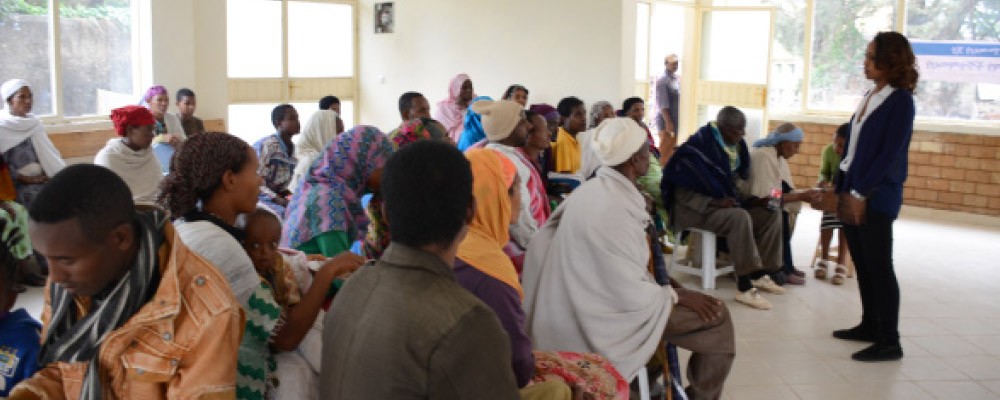
Like many sub-Saharan African nations, Ethiopia provides some special treatment for juvenile offenders. The logic behind the provision of special treatment is rooted in the idea that young offenders should be given rehabilitation in order to improve their well-being and hopefully deter them from committing crimes in the future. However, many stakeholders argue that the problems facing teenage offenders extend beyond a mere desire to do bad things – that they’re linked to larger problems like homelessness, cyclical poverty, and whether or not they have attentive parents. EBR’s Meseret Mamo visited the Juvenile Delinquent Remand and Correction Centre, Ethiopia’s sole facility to address the needs of this population, to speak with key individuals involved in the juvenile justice system for this report.


Respect-for-the-‘Golden-Hands.jpg

Moving the Fuga from the Margins to the Centre

Ethiopia is home to a diverse array of ethnic groups – many of which co-exist in a relatively peaceful manner. Nevertheless, some groups – the Fuga people in Ethiopia’s Southern Region for example– say that they still exist on the margins of society and sometimes even confront violence because of their peripheral status. Recent efforts, however, have strived to alleviate some of the economic and societal hardships confronting the community. Some of these efforts involve foreign governments, like the United States and Finland.
EBR’s Meseret Mamo spoke with stakeholders to see what progress, if any, is being made to achieve this end.


Life-in-a-Person’s-Account-.jpg

The High Cost of Dialysis Puts Patients Suffering from Kidney Failure in Jeopardy

Kidneys serve an important function for humans – they are the organs that purify the blood by removing waste from it. Kidney failure, therefore, is a serious condition for people who suffer from it, usually requiring costly dialysis treatment. In Ethiopia, there are only a few medical centres that offer the treatment – and of those who do, one session can cost anywhere from ETB985 to 2,530. For the country’s poorest patients, this could prove to be detrimental financially and some medical professionals are calling on the government to intervene and improve the situation. EBR’s Meseret Mamo spoke with medical practitioners and those close to the issue to learn more about what is being done to help make dialysis more accessible in Ethiopia.


Telling-Tales.jpg

Ethiopia has enjoyed a centuries-old tradition of oral histories that depict the lives of characters for the sake of promoting a particular moral or ethical lesson, especially for young children. However, scholars note that this tradition is slowly dying, especially in an increasingly interconnected world in which young kids are exposed to stories from other cultures and countries, sometimes to the exclusion of traditional local stories. Some artists and storytellers are trying to preserve this tradition, but it is proven to be a more difficult task than some may think. EBR’s Meseret Mamo spoke with individuals close to this subject in order to learn more about what is being done to preserve the nation’s folklore tradition.


Summer-Camps.jpg

A joy for children, a relief for parents

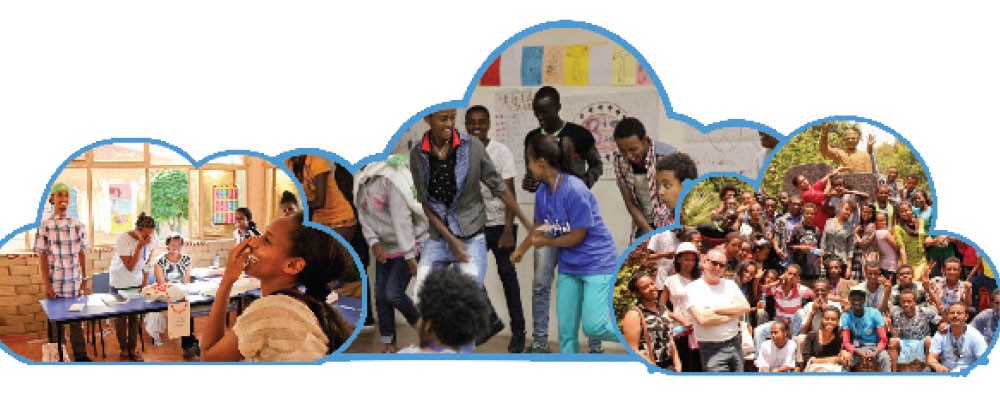
Although a relatively new concept in Ethiopia, summer camps are emerging in Addis Ababa. Some experts say that these programmes, which often focus on non-academic activities like sports and recreation, are beneficial for children as they offer chances to interact with peers and coaches who have time to listen, talk, relax, and reflect. Such opportunities provide them a rare chance to work together, learn how to take responsibility and solve problems, develop creative skills, build independence and self-reliance, and gain confidence – skills that are necessary to a child’s path to a healthy and productive future. EBR’s Meseret Mamo spoke with camp leaders, parents and students about the effects of summer camp on children.


Gojo’s-Initiative.jpg

In Ethiopia, it’s not uncommon for patients from rural areas to seek medical treatment in large cities like Addis Ababa, where facilities may be better equipped to handle complex ailments and conditions. These patients, however, are often placed on long wait lists and may have to stay in Addis Ababa for days or weeks at a time. This is especially problematic for indigent patients who may not be able to afford food or shelter while they wait for medical attention. A group of physicians at Tikur Anbessa Hospital, however, are trying to change this reality. They established the Gojo Shelter for the Needy and Sick Community in order to make life easier for patients who face difficulties finding food and shelter as they await treatment. EBR’s Meseret Mamo spoke with the organization’s founders to learn more about how they plan to expand their vision.


Plastic-Waste-All-Over-the-Place.jpg

If you’ve walked the streets of Addis Ababa or other major cities in Ethiopia, it’s likely that you’ve seen plastic bags and other materials accumulate on street corners and sidewalks. Not only is this waste unsightly, but it also poses grave environmental and health risks. This increased waste, analysts say, are due to two major factors: the increased use of plastic bags and a weak waste management system in major cities. EBR’s Meseret Mamo spoke with waste management experts, urban dwellers and government officials to learn more about this growing problem and what’s being done to stop it.


Living-by-the-Tip.jpg

The Evolving Culture of Tipping in Ethiopia

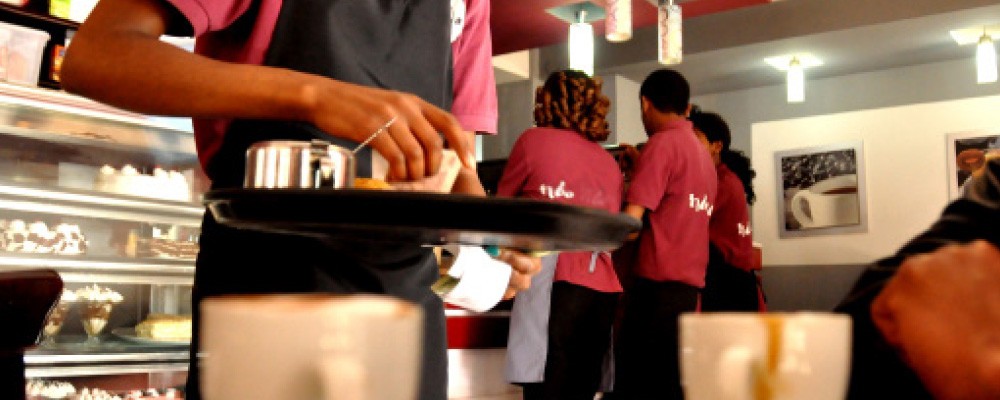
In one of the recent hits of Woody Allen’s thrilling movies ‘Blue Jasmine’, (winner of this year’s Academy Awards for best actress and nominated for best picture and best screen play); there is a scene where the leading character, a sophisticated but broken woman is baby sitting her nephews. She takes them out to a restaurant and tells them to be generous when they are rich and advises them particularly to be kind to waiters, saying: “Tip big boys; tip big, because you got good service and they [waiters] count on tips”.


Looking-Good-Appearance.jpg

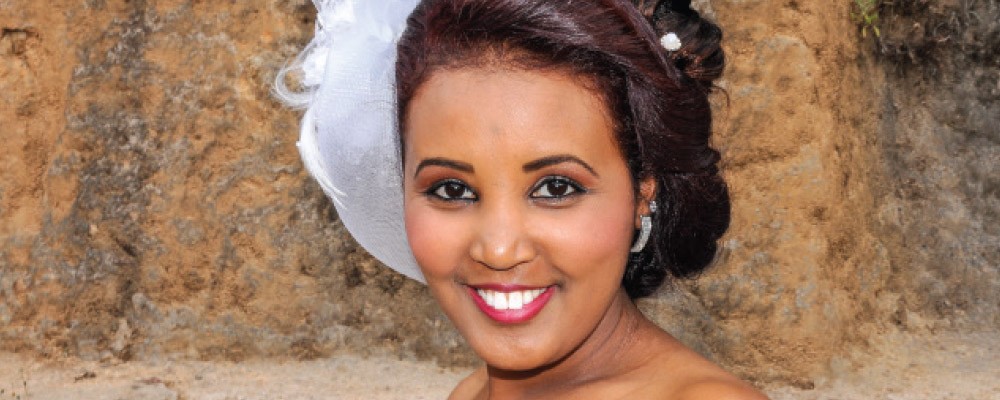
One of the biggest moments in a person’s life is their wedding day and in Ethiopia it is a major cultural event. Newly wedded couples, parents and friends celebrate it with big festivities including much food, drink and dancing. But appearance is becoming much of a concern and it costs too much. Meseret Mamo, EBR’s Associate Editor, writes that the expense of this huge milestone is becoming an issue especially in Addis Ababa.


Ethiopian Business Review | EBR is a first-class and high-quality monthly business magazine offering enlightenment to readers and a platform for partners.


2Q69+2MM, Jomo Kenyatta St, Addis Ababa

Tsehay Messay Building

Contact Us

+251 961 41 41 41