Heavy-Industry.jpg

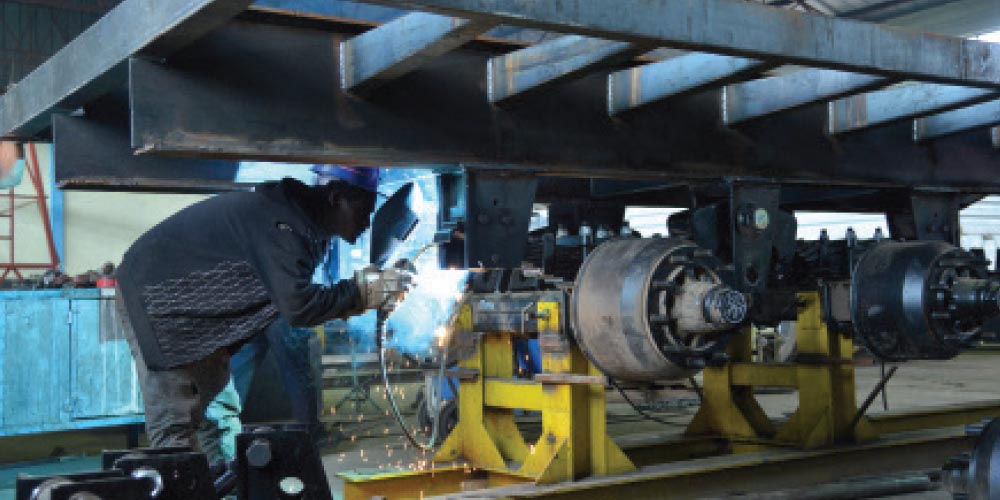
Ethiopia has vigorously embarked on the expansion of light manufacturing industries. For that reason, it has been building industrial parks throughout the country. This is expected to boost export of manufactured goods, thereby reducing the long standing shortage of foreign currency problem. However, some experts are skeptic about this one sided attention of the government to industrialise the country. They argue that unless export promotion is complemented with import substitution, the effort is like clapping with one hand. That’s why expansion of heavy industries needs to be part of the long term strategy to reduce the stress the country has been through for lack of foreign currency. In fact, close to 50Pct of the USD18 billion import bills last year went to purchase metal and engineering products, which are produced by heavy industries. EBR examines the need for developing heavy industries in Ethiopia and how that can boost the country’s ever depleting foreign currency situation
Research.jpg

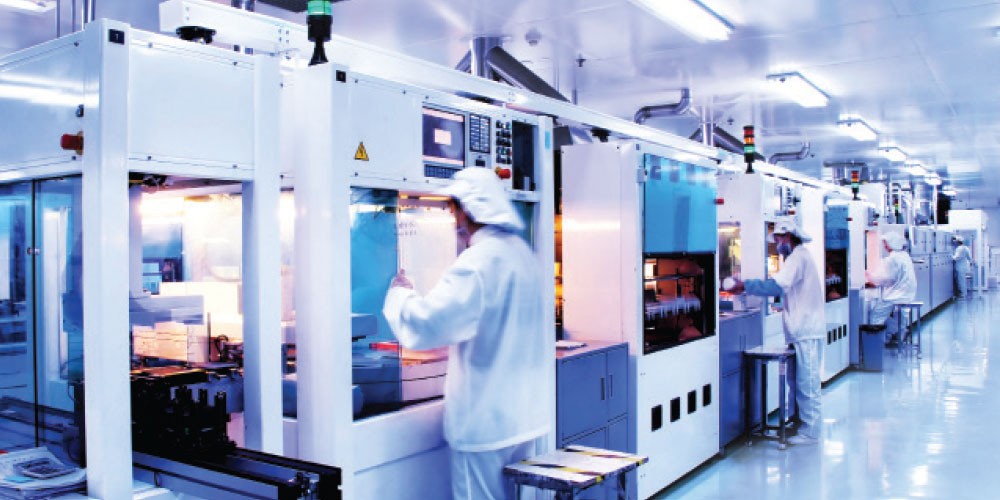
Research and development (R&D) refers to investigative activities conducted to identify and address challenges or improve existing ways of doing things through innovation of new technologies. Public or private organizations engaged in the production of goods and services conduct R&D to improve product quality, productivity, and service delivery.
The budget organizations allocate to R&D is a significant factor to its outcomes. Countries and organizations that have realized this allocate a significant deal of resources to Research. Although Ethiopia is hugely investing in the education sector, it’s one of the countries known for allocating insignificant amount of resources for R&D. Even with a robust economic growth experienced for over 10 years, the country keeps to allocate small budget. EBR has explored the issue to offer this report.


A-Decade-for-ECX.jpg

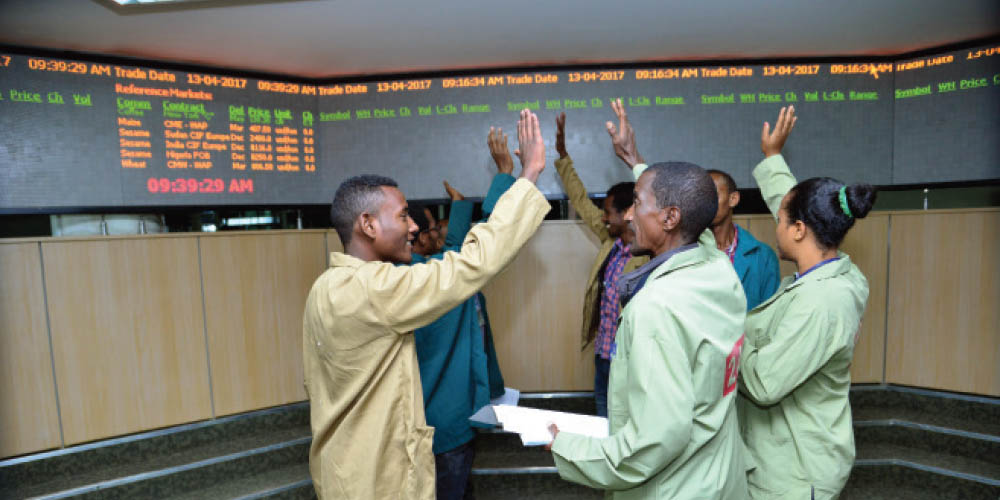
Ethiopia Commodity Exchange (ECX) was established with the mission of revolutionizing Ethiopia’s traditional agricultural marketing through creation of a new trading platform. In its 10 years of service, the Exchange has established a marketing system that is transparent, efficient, and innovative. This contributes to the overall transformation of Ethiopia’s agriculture. However, the Exchange is not without criticism. It’s been belittled for focusing more on few export commodities than modernizing the whole commodity trading. EBR’s Ashenafi Endale explores its achievements and challenges.


Hope-Against-Hope.jpg

A Draft Policy Aims to ‘Revolutionise’ Animal Breeding, Key to Improve Productivity’

Ethiopia ranks first in livestock population in Africa. However, the productivity of the sector remains poor due to the lack of appropriate policies which limit the use of improved technologies; and incentives to attract and retain investment.
While the productivity of improved breeds is upto ten times higher than the native breeds, there are less than one million improved livestock breeds, far less than 1Pct of the total livestock population in the country. This is very small especially when one notes that artificial insemination, a technology that helps to improve animal breeding, and productivity was introduced to the country 60 years ago. The result of the neglect to the sector is evident in that hotels, airlines and supermarkets in the country import a large amount of animal products, which sometimes include raw meat, milk and their processed forms.
With the establishment of a new federal institution – The Ministry of Livestock and Fishery Development; and a draft policy tabled for approval to govern the sector – many hope that the situation will change. EBR consulted research and stakeholders; and analyses the hope the policy could brings.


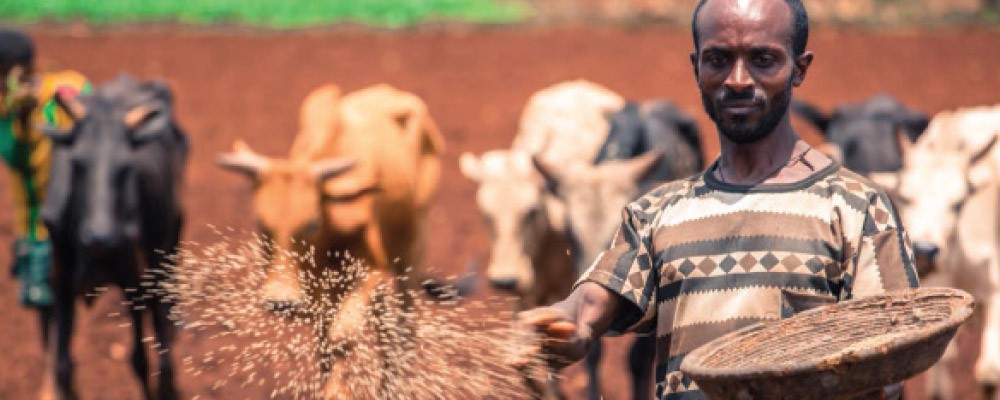
seed-Quality-Seeds.jpg

The Crucial Role of Improved Seeds in Ethiopia

Quality seed is a key input for improving crop production. Improving the quality of seeds can increase the yield potential of any crop significantly and thus, is one of the most economical and efficient inputs to agricultural development. However, the seed system in Ethiopia is filled with complex organisational and operational setups that partly thwart the country’s prospect for agricultural revolution. Ethiopian seed system has been confronted with several challenges such as limited capacity of agricultural research centres and distribution channels. Failure of proper utilisation of the already available improved seeds is also a major problem. EBR’s Ashenafi Endale sat down with stakeholders to get to the bottom of the issue and understand what the government is doing to improve the lingering seed system in the country.


Mitigating-Losses.jpg

How Hotels Manage the Recent Business Slowdown

The hotel industry is highly dependent on a complex web of socio-economic, political and environmental factors. Peace and stability are chief among the major factors that affect the performance of hotels since the business highly relies on the flow of tourists. Last year’s political instability in some states of Ethiopia has brought huge challenge to the industry. EBR’s Tamirat Astatkie spoke to stakeholders to understand the extent of the slow down and find out what alternative marketing strategies hoteliers used to cope up with the hard time.


Currency-SWAP.jpg

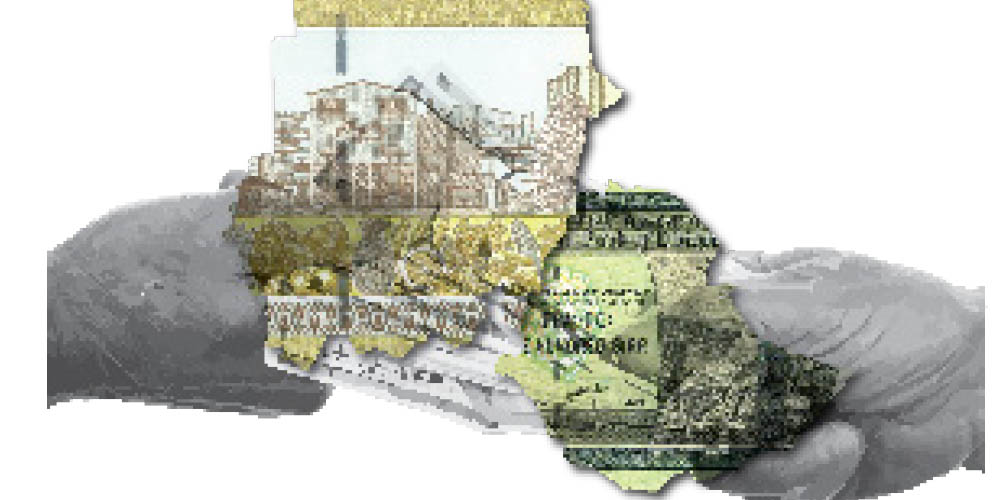
During the recent Joint Sudanese-Ethiopian Technical Economic Committee meeting held in Addis Ababa, currency swap between the two countries was at the centre of the discussion.
Currency swaps (or cross currency swap) is the exchange of one currency with another currency while doing business. Officials in Ethiopia believe that the country can reduce dependency on hard currencies by introducing cross currency swap among its neighbouring countries. EBR’s Ashenafi Endale explores the issue to assess what will be the benefits for Ethiopia as well as its neighbouring countries.


Scramble-for-Properties.jpg

The Driving Factors Behind, the Implications on the Economy

For a new visitor of Addis Ababa, the thriving construction sector in many parts of the city and lofty traffic jam might suggest about the growing economy in the country. This is indeed part of a sign of an economy undergoing rapid growth for over a decade. As more and more people get richer, they tend to develop appetite for acquiring properties caused by lifestyle changes, among other reasons.
However, there is a concealed factor as to why individuals and corporate entities rush into spending their money in the acquisition of real assets such as vehicle, land and building.
In a country where population doubles every 25 years and per capita income grows fast, while real assets such as land are finite resources, it is common for buyers to rush to acquire the scarce resources. Inflation and inflationary expectations, which Ethiopia has been experiencing for over a decade, further drive the demand for property acquisition. Buyers use them as a strategy to evade the adverse effects of inflation.
The trend is dangerous because it diverts scarce resources that should be used for investment in the productive sectors of the economy. Macroeconomists argue that the situation calls for improving the entire macroeconomic governance because the continuation of resource misallocation ruins the pillars the national economy rests upon.


Solar-Energy.jpg

What’s the Private Sector’s Role?

The solar energy potential in Ethiopia is massive. By some estimates, the country could produce up to 5.6kWh per day, on par with or exceeding the capacity of countries that are known for their solar energy production, like Germany. If properly harvested, this could help the country develop a robust energy infrastructure and even export to neighbouring countries. Despite this promise, however, a number of roadblocks stand in the way of the country realising its full potential – and many say the private sector is key in bridging the divide. EBR’s Tamirat Astatkie delved further into the issue to learn more about harvesting the country’s potential for solar energy.


Converting-Honey.jpg

Entrepreneurs try to Boost Honey Production Through Technology

Global demand for honey is on the rise. According to the BBC, global demand almost always exceeds supply, especially in recent years, when bee colonies in the West have been plagued by parasites. This leaves a large window of opportunity for countries like Ethiopia, which produce thousands of tonnes of honey per year. However, insiders say that bee farmers could be doing more to harness the local production capacity – and earn more money from this prized commodity. EBR’s Ashenafi Endale spoke with scientists and farmers to learn more about methods to increase honey production.


Ethiopian Business Review | EBR is a first-class and high-quality monthly business magazine offering enlightenment to readers and a platform for partners.


2Q69+2MM, Jomo Kenyatta St, Addis Ababa

Tsehay Messay Building

Contact Us

+251 961 41 41 41