
 Tamirat Astatkie
Ethiopia ranks among the nations that are known for thwarting Internet usage as a mechanism for controlling communication. These interruptions not only quell the ability for denizens to access information, they also cost millions in lost revenue. According to the Brookings Institution, 30 days of Internet interruptions between July 1, 2015 and June 30, 2016 cost the country USD8.5 million in gross domestic product. EBR’s Tamirat Astatkie spoke with members of the local business community, government workers and consulted research to learn more about the multifarious effects of hampered Internet usage in the country.

The government hopes to attract 2 million tourists per year by the end of the current Growth and Transformation Plan. That’s roughly double the current amount – and research suggests that tour operators may be the key to helping the country reach that goal. However, insiders say that the industry is filled with challenges that prevent operators from achieving their full potential, thereby thwarting the sector’s overall promise. EBR’s Tamirat Astatkie spoke with key stakeholders and consulted research to learn more about the key role tour operators play in this pivotal sector.
 Ashenafi Endale
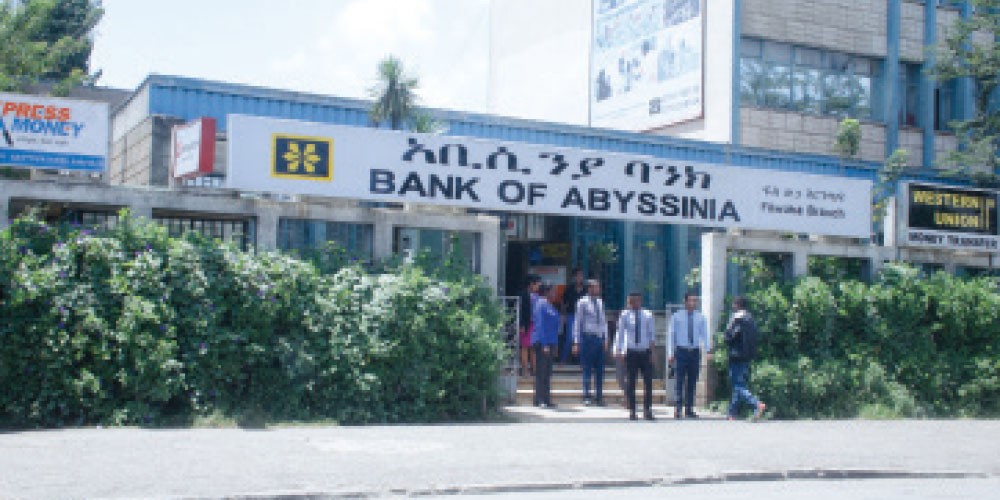
Abyssinia’s Salary Increase Propels Banks to Reconsider Employee Retention, Operational Costs
The Bank of Abyssinia’s decision to significantly raise its employees’ salaries has garnered much attention in the banking industry. Most notably, it’s caused some institutions to re-evaluate their pay scales to remain competitive and maintain their employees in an industry especially noted for its human resource scarcity. However, behind the buzz their decision has generated lies an important question: How will increased competition and regulation impact Ethiopia’s still nascent banking sector, especially vis-à-vis human resources? Some argue changes will propel banks to make critical decisions about the efficiency of their institutions, thereby strengthening the overall sector. Others, however, believe these are burdensome and may compromise the viability of some banks. EBR’s Ashenafi Endale spoke with industry insiders and consulted research studies to gain insight into this crucial financial issue.

Consultancy – the practice of providing advice and insight to businesses and non-governmental organisations – can be a lucrative endeavour. According to Bloomberg News, management consulting firms – a niche within a much larger sector – generated more than USD39 billion in the United States in 2013. This bodes well for Ethiopia, a country in which consulting firms are growing. In the last 25 years alone the government issued more than 2,000 licenses to businesses and individuals to engage in consultancy. The industry’s development, however, hasn’t been without challenges. Industry insiders say corruption and the lack of a proper, fair regulatory environment are roadblocks to the sector’s growth. EBR’s Tamirat Astatkie spoke with stakeholders and consulted research to learn more about the potential of the sector in Ethiopia.

A number of satellite-based television channels have emerged in Ethiopia in recent months, some of which have enjoyed widespread popularity. Experts say this is a positive trend, as these channels increase economic development through advertising and creating new markets. Still, some argue that these networks may have a negative impact on developing countries, especially since many programmes come from foreign countries and don’t take into account the local cultural context. EBR’s Tamirat Astatkie spoke with key stakeholders to learn more about the driving force behind television network development in Ethiopia and the potential economic and societal changes it may bring about.

While the country’s export sector has never performed up to the government’s expectations, figures from last fiscal year paint a grim picture. In 2015/16, Ethiopia earned USD2.8 billion from exports – about half the planned amount – and less than the roughly USD3 billion collected in previous fiscal years. As the government continues pursuing the GTP II, the export sector is at a crucial juncture – how to effectively address the problems that plague it, including fluctuating commodity prices in the international market. Experts offer a number of solutions, from diversifying exports to fixing key policy issues. EBR’s Ashenafi Endale spoke with exporters, government officials and economists to learn about the intricacies of this key economic issue.

The growth of private higher education institutions (HEIs) has been rapid over the last decade – up from 55 in the 2002/03 academic year to 106 in 2014/15. Private HEIs graduated 133,000 undergraduate and postgraduate students last academic year – and often enjoy greater gender parity than government universities. Still, these institutions face a number of logistical and managerial hurdles, not least of which is an imbalanced treatment from the government vis-à-vis assessment and accreditation. While some stakeholders don’t mind the scrutiny, done so in the name of improving education quality, many wonder why there’s a double standard between public and private institutions. EBR’s Tamirat Astatkie spoke with key insiders to learn more about the tension present in the relations between private HEIs and regulators.
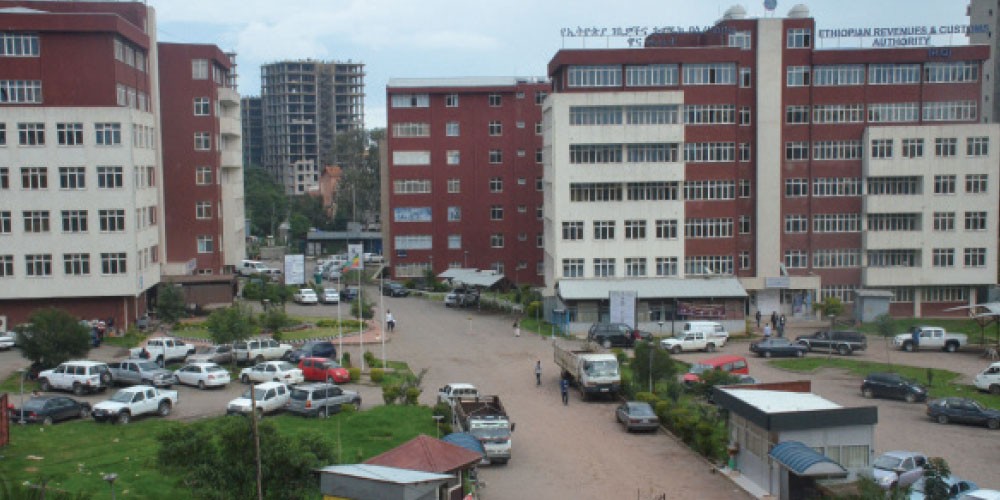
In order to achieve the targets established in the second phase of the Growth and Transformation Plan, a robust and efficient civil service is necessary. This is because government employees are responsible for monitoring and implementing development programmes as well as regulating, assessing and approving investments that come into the country. However, Ethiopia’s government offices are often critiqued for their inefficiency, cumbersome bureaucracy and, in some cases, corruption. Studies suggest this is due to the lacklustre compensation, even compared to other African countries. For example, in 2014 the average monthly salary for a civil servant in Kenya was USD679, a figure that stood at USD145 in Ethiopia. EBR’s Ashenafi Endale spoke with government representatives to learn about what’s being done to remedy this crucial policy issue.

 Samson Hailu
On June 23, 2016, the United Kingdom’s citizens voted to leave the European Union, sparking buzz and market volatility throughout the world. However, the impact the ‘Brexit’ will have on the numerous countries that rely on aid from the UK has remained relatively silent in post-referendum conversations. This is an especially pertinent question for Ethiopia, which received just over USD432 billion in aid from the UK in 2014. EBR’s Samson Hailu explored the issue to learn more about the potential implications of Brexit and what it means for Ethiopia.

A Sector Trapped by ‘Bold’ Individuals with Limited Competence
Companies use advertising to relay messages about their products in an attempt to sell them to the public and increase market share. A study by the World Federation of Advertisers demonstrates that the practice can have a positive impact on economic growth. However, in Ethiopia, industry insiders and regulators say that the sector is plagued by a lack of professionalism and creativity, among other issues. EBR’s Tamirat Astatkie spoke with key stakeholders to learn more about the country’s growing advertising industry.