Local-Manufacturers.jpg

Struggle to Penetrate the Burgeoning Liquor Market

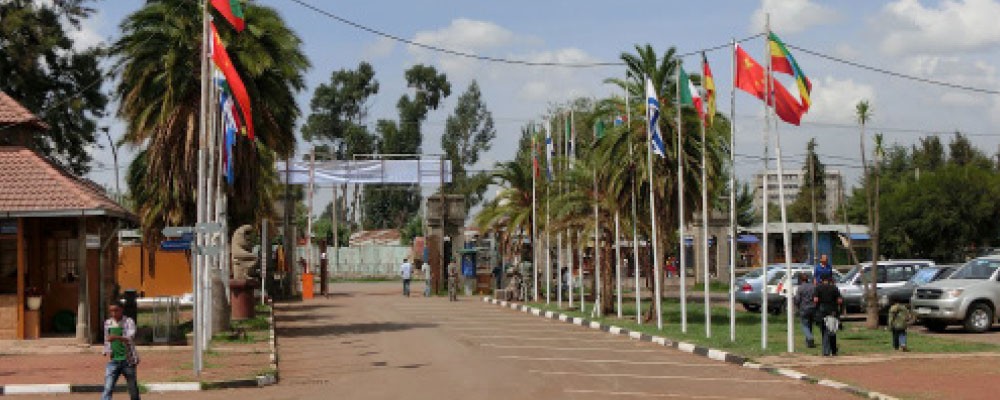
Liquor consumption is on the rise in Ethiopia. According to data obtained from the Central Statistical Agency (CSA), imports of hard liquors reached 4.2 million kilograms in 2014 – that figure is way up from 1.6 million kilograms in 2010. In an attempt to capitalise on this growth and seize the buying power of consumers, local liquor manufacturers are becoming common in the country. However, many manufacturers complain that they are facing difficulties in getting the attention of local consumers. Customers, meanwhile, argue that some local liquor brands are often more expensive than imported brands. EBR’s Fasika Tadesse explored the issue further and offers this report.

Bahir-Dar.jpg

A city unlocking its tourism potential

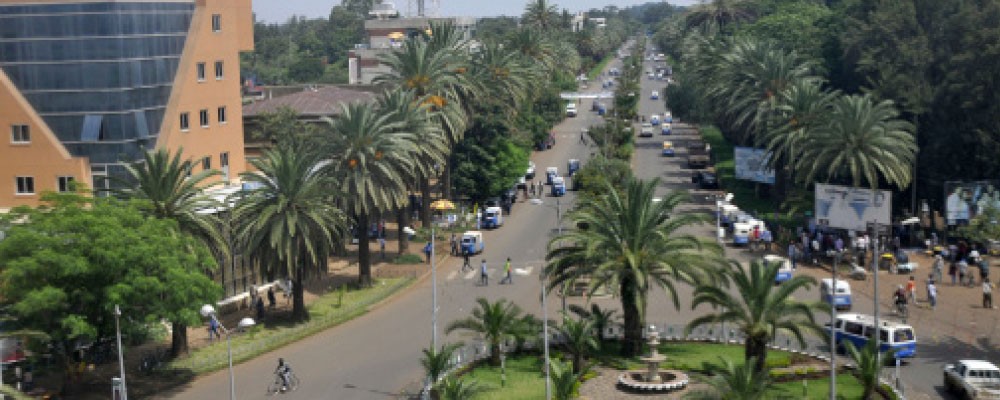
Tourism in Bahir Dar is on the rise. This is, in part, due to the natural beauty of the city and its cultural and historical treasures. As a result, the tourist flow and revenue generated has been increasing. In the past five years alone, the number of tourists has risen more than fourfold – from 37,166 in the 2009/10 fiscal year to 149,266 in the 2014/15 fiscal year. The jump has been good for the city, as it collected ETB332.8 million in tourism revenue in the just-ended fiscal year. Five years ago, the sector generated only ETB55.85million. The growing trend both in the number of tourists and revenue also means that businesses are flocking to Bahir Dar, to seize the city’s burgeoning reputation as a site of national sporting events and international conferences. EBR’s Fasika Tadesse visited Bahir Dar to learn more about the ascent of its tourism industry and about the hurdles the city has to overcome before it realises its full potential.


As-scarce-as-Hen’s-Teeth.jpg

Daily queues to buy edible oil in Addis

If you rely on palm oil for cooking, you may have noticed that it’s increasingly becoming scarce throughout Ethiopia. This shortage has made the government intervene, by lifting a four-year ban on the importation of edible oils for local companies. However, some critics say that this move isn’t enough to change the situation on the ground – and that it won’t be profitable for local companies. EBR’s Ashenafi Endale spoke with experts and people involved in the industry to learn more about what can and should be done to remedy the edible oil shortfall.


Skyrocketing_1.jpg

Holiday Bazaar Organizing Fees Push Companies to Look for Alternative Venues

Ethiopian holidays are often a time when Addis Ababa’s Exhibition Centre sees much activity. The Centre often hosts large bazaars in which vendors showcase their products and other items in an attempt to promote and sell their goods. In recent years, the price of organizing such events has skyrocketed – up to ETB12.6 million for a single holiday, which is significantly up from around ETB2 million in previous years. The increased costs for such events are attributed to the large influx of companies bidding to organise such events. Five years ago, around 10 companies used to bid to organise holiday bazaars; now that number has grown to 250. Equally, the fee vendors and pay has grown for more than tenfold. Industry insiders say that the growing demand for space at these bazaars warrants the price increase, while business owners say that the increased prices are taking a toll on companies looking to showcase their goods. EBR’s Fasika Tadesse spoke with both sides to understand the debate and offers this report.


Pension-Contributions.jpg

A pain or a promise of a secure future?

Just before the Parliament adjourned for recess, its members approved amendments to laws that govern the collection of pensions for public and private employees. The controversial measures were met with mixed reviews. Some were happy that the government is taking measures to ensure that workers get social security in a more equitable manner. Others, however, say that the payments are burdensome on workers and employers– and that it takes too long for workers to receive their pension payments. EBR’s Ashenafi Endale explores the issue further to learn more about the intricacies of the debate.


Summer-Camps.jpg

A joy for children, a relief for parents

Although a relatively new concept in Ethiopia, summer camps are emerging in Addis Ababa. Some experts say that these programmes, which often focus on non-academic activities like sports and recreation, are beneficial for children as they offer chances to interact with peers and coaches who have time to listen, talk, relax, and reflect. Such opportunities provide them a rare chance to work together, learn how to take responsibility and solve problems, develop creative skills, build independence and self-reliance, and gain confidence – skills that are necessary to a child’s path to a healthy and productive future. EBR’s Meseret Mamo spoke with camp leaders, parents and students about the effects of summer camp on children.


After-MDGs-Ethiopia.jpg

The year 2015 marks the end of the Millennium Development Goals (MDGs) – a set of global targets that mainly aim to reduce global poverty by half and improve the livelihoods of impoverished communities. Despite marked improvements in the reduction of poverty in some countries, there’s still much work to be done to achieve the goals set in 2000. That’s why global leaders are convening a series of meetings to establish the Sustainable Development Goals (SDGs) in order to build on the achievements of the MDGs.


Carlos-Lopes-PhD.jpg

Carlos Lopes (PhD) UN Under Secretary-General, Executive Secretary, UN ECA

Carlos Lopes (PhD), UN Under Secretary-General and the eighth Executive Secretary of the UN Economic Commission for Africa (UNECA), is a well-known global thought leader in African development. Assuming his current position at the UNECA in 2012, Lopes previously served as Executive Director of the UN Institute for Training and Research in Geneva and Director of the UN System Staff College in Turin, Italy at the level of Assistant Secretary-General. His active contribution in research concerning development issues, his experience teaching at top-notch universities in Africa, Europe and Latin America, as well as authoring and editing 22 books have prepared him well for research- and development-oriented leadership.


Lack-of-Policy.jpg

More than four billion birr was not disbursed in nine months

Five years ago, the Development Bank of Ethiopia (DBE) announced that it planned to give out a large amount of loans to the manufacturing sector, which faced a lack of finances for years. Despite these stated efforts, many local investors argue that they’ve had difficulty in accessing finances. They say that the Bank is plagued by bureaucratic inefficiencies and that it tends to favour foreign investors. In fact, a closer look at the nine-month report of the Bank from the just-ended fiscal year shows that DBE had disbursed only 54Pct of what it planned. They claim that unsettled land issues of loan applicants, and their limited capacities to upfront 30Pct of the equity they need to get 70Pct financing were the major reasons for the Bank’s weak loan disbursement. DBE leaders say policy hurdles that the Bank faces, i.e., the limitation it not accept requests from Small and Micro Enterprises, have contributed to the reasons why a large sum of money has been idle this fiscal year. EBR’s Fasika Tadesse spoke with Bank officials and local investors to write why more than four billion birr was not disbursed to those who need it.


Why Are Local Contractors Lacking in Large-Scale Projects?

Despite the fact that the number of local contractors in Ethiopia has grown by leaps and bounds over the last 20 years, something seems to be amiss with regard to why they aren’t handling large-scale infrastructure projects. Take, for example, road construction projects. Between the 1997/98 and 2013/14 fiscal years, there were a total of 443 road projects being undertaken by foreign and local contractors. Of the total projects, Ethiopian contractors were responsible for 337, amounting to ETB54.9 billion. However, the foreign construction companies maintained dominance in terms of cost of the projects. They executed 106 road projects, worth ETB76.4 billion. Government officials say that local contractors don’t have the capacity to handle large-scale projects, while local contractors say they aren’t given a fair chance to compete with foreign companies. EBR’s Fasika Tadesse spoke with industry insiders to learn more about why local contractors aren’t handling large-scale projects.


Ethiopian Business Review | EBR is a first-class and high-quality monthly business magazine offering enlightenment to readers and a platform for partners.


2Q69+2MM, Jomo Kenyatta St, Addis Ababa

Tsehay Messay Building

Contact Us

+251 961 41 41 41