
 Carmen Reinhart
The United Kingdom’s Brexit referendum has shaken equity and financial markets around the world. As in prior episodes of contagious financial turmoil, the victory of the “Leave” vote sent skittish global investors toward the usual safe havens. US Treasury bonds rose, and the dollar, Swiss franc, and yen appreciated, most markedly against sterling.
 Leuleseged Tadesse
Despite the pivotal role small-scale farmers have in economic transformation, there are critics who question the viability of small farming as a way out of poverty and as a vehicle for achieving sustainable development, including the writer of the article that appeared in EBR’s 37th edition. Tsegaye Tegenu (PhD) outlines the multifaceted challenges that small farmers continue to face that undermine their potential for economic growth.
 Sahelu B. Shegere
In the first part of this series, which was published in EBR’s 40th edition, I presented how and why our government fails to effectively support small businesses, especially those that prefer not to be organised under the national micro and small business development plan. In this second part, I will suggest solutions that will help reverse the current unfriendly situation.

 Meseret Mamo
A city’s aesthetics refers to the extent to which it is visually pleasing – especially with regard to the unity of its natural and man-made elements as well as harmony in the way buildings and infrastructure are developed. This is especially important for developing countries, many of which are undergoing rapid urbanisation through construction and infrastructure development. Aesthetics are also central to establishing creative industries – especially architecture and design – and can be influential in engendering profitable artistic industries. But is enough being done to consider visual elements in Ethiopia’s urban development? EBR’s adjunct staff writer Meseret Mamo spoke with industry insiders to learn what’s missing from the country’s urban landscape.

 Abiy Wendifraw
The makings of a successful football team begin long before a match– it starts with the development of a talent pipeline. Yet, Ethiopia is lacking programmes committed to developing young footballers. However, that’s changing with the emergence of places like Sewnet Bishaw ena Betesebu Youth Football Training. EBR adjunct staff writer Abiy Wendifraw spoke with football insiders to learn more about the work of the centre and how it is developing future talent.

 Samson Hailu
A country’s broad money supply refers to money in its various forms – be it notes, coins, currency deposits or even credit from banks. When the supply is increased, it can have beneficial or disastrous effects, from spurring economic growth to increasing inflation to astronomical levels, which has a deleterious impact on quality of life, especially in developing countries. As Ethiopia aims to continue its path of double-digit economic growth, EBR’s Samson Hailu spoke with economists and government officials to learn more about the debates surrounding broad money supply and where it fits in to the country’s overall development aims.

 Ashenafi Endale
Last month, automated teller machines (ATMs) throughout Ethiopia were integrated, meaning a cardholder from any bank could use any ATM to access their accounts and withdraw money. This level of technological integration is a first for Ethiopia’s growing banking sector – and a step towards creating an economy that’s less cash-dependent and one marked by greater financial inclusion.
The company at the centre of this integration is EthSwitch, the industry-owned enterprise that develops innovative, technological banking solutions. EthSwitch’s founding CEO, Bizuneh Bekele, says that integration is central to their operating philosophy – not only integrating banks but also bringing more people into the formal financial sector.
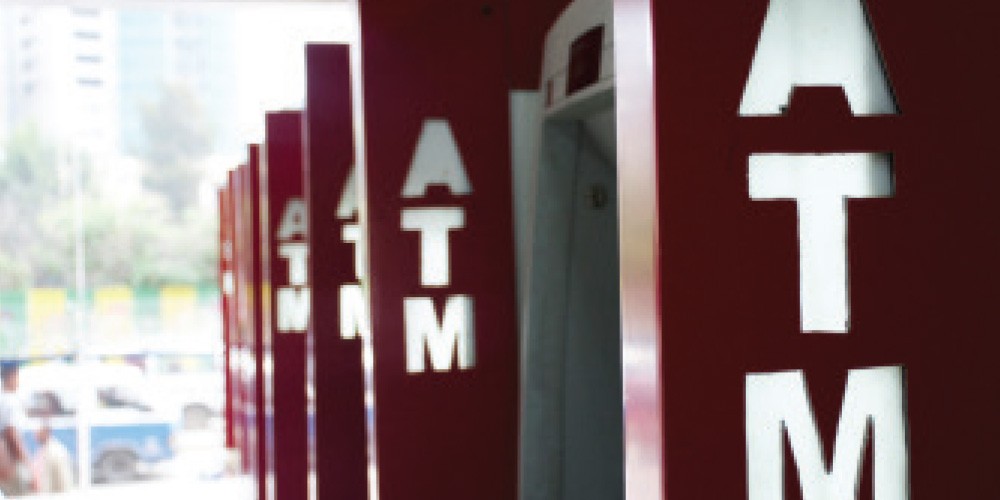
The introduction of integrated automated teller machines (ATMs) means the banking sector is aligning itself with the technological practices of more developed nations. It also represents a logistical quagmire for banks that have established vast ATM networks and now have to share them with newer ones. EBR’s Ashenafi Endale spoke with banking sector insiders to learn more about the nuances of this issue.

 Tamirat Astatkie
Supermarkets are increasing in Ethiopia’s capital. According to the Addis Ababa Trade Bureau, 331 received licenses last fiscal year – that figure is up from 175 four years prior. Market watchers say this trend makes sense, given that changes in the lifestyles of city dwellers prompts them to demand the convenience and reliability that supermarkets provide. But, as EBR’s Tamirat Astatkie reports, there may be added benefits to the proliferation of retail supermarkets in Addis Ababa.
 Eyeruse Tesfaye
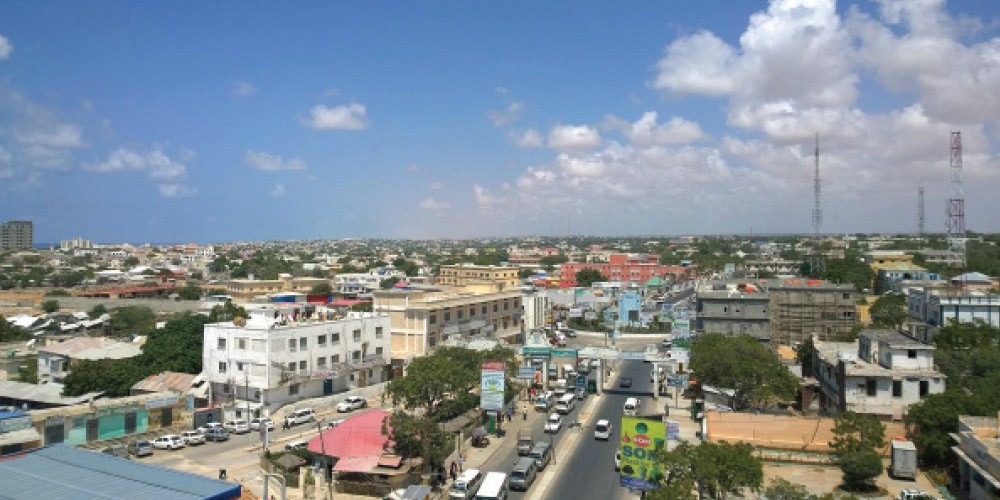
Somaliland, while not recognised as an independent nation, recently celebrated its independence day. The country is looking to not only gain official recognition from the international community but also hopes to become a regional economic player by encouraging trade through its port in Berbera. In fact, the United Arab Emirates has agreed to help develop the port, which may encourage landlocked countries, including Ethiopia, to do business there. As a special contribution to EBR, Elias Meseret visited Hargeisa to speak with government officials about their plans to bring recognition and development to Somaliland’s economy.