Heavy-Industry.jpg

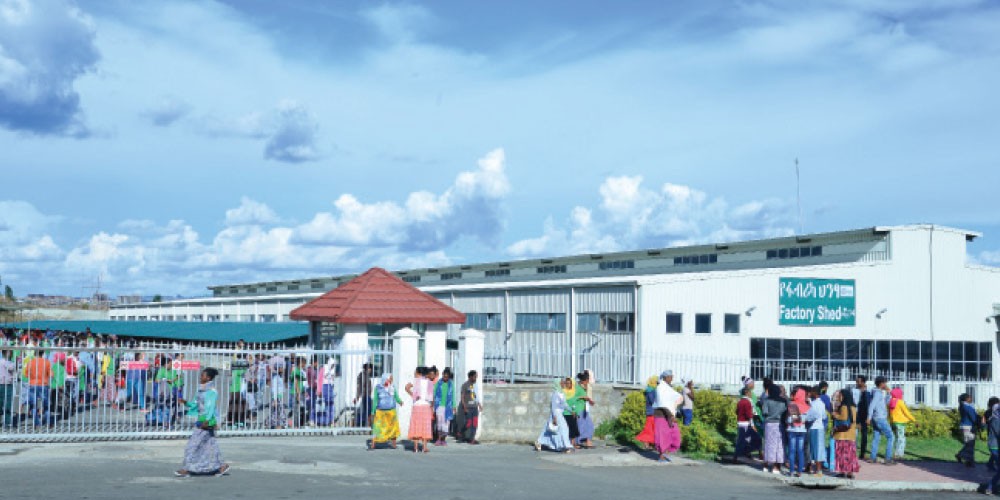
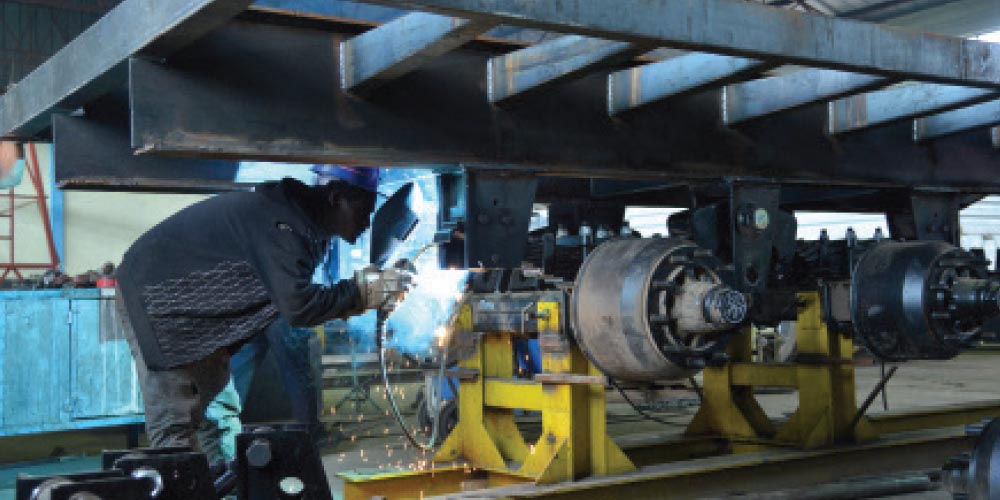
Ethiopia has vigorously embarked on the expansion of light manufacturing industries. For that reason, it has been building industrial parks throughout the country. This is expected to boost export of manufactured goods, thereby reducing the long standing shortage of foreign currency problem. However, some experts are skeptic about this one sided attention of the government to industrialise the country. They argue that unless export promotion is complemented with import substitution, the effort is like clapping with one hand. That’s why expansion of heavy industries needs to be part of the long term strategy to reduce the stress the country has been through for lack of foreign currency. In fact, close to 50Pct of the USD18 billion import bills last year went to purchase metal and engineering products, which are produced by heavy industries. EBR examines the need for developing heavy industries in Ethiopia and how that can boost the country’s ever depleting foreign currency situation


Digital-war.jpg

Is Ethiopia Ready for Cyber Warfare?

With the growing use of information communication technologies, more and more organizations are increasingly becoming efficient. Business, education, even health care services are also getting more accessible. However, the battle between online protagonists and antagonists is at its highest point now than before. Ethiopia is no exception. EBR’s Ashenafi Endale consulted with technologists, government officials and research to explore the extent of the problem that the country could face and analyses its readiness to avert the challenges.


Mohammed-Idris.jpg

Breaching information communication protocol ranges from simple show-off of talent to theft of valuable data such as financial and security information. As these problems are fast increasing, it is necessitating a well equipped and proactively prepared cyber defense institutions. The Information Network Security Agency (INSA) is established to ensure the security of advancing critical infrastructures and industries that are vulnerable and going to be more vulnerable due to their reliance on computer. EBR sat down with Mohammed Idris, Special Advisor to the director general of the Agency, to discuss the magnitude of the problem Ethiopia faces and the preparedness of INSA to safeguard the country’s cyber space.


Waliyas.jpg

The excitement that engulfed Ethiopia when the men’s national football team qualified for the biggest soccer tournament in Africa four years ago is now more like a tale from a bygone era. The fans, as electrified as ever in supporting the national team, remain desperately hopeless about the team not able to make any real progress in the beautiful game. The losing streak of the team continues in recent international matches as leaders in the sport aim to take the team to the Olympics in 2020. EBR’s Abiy Wendifraw gages the sentiment of the fans and the ambition of the sports’ officials.


Business-with-Missions.jpg

Lack of Appropriate Policy Thwarts the Development of Social Enterprises

In many developing countries like Ethiopia, there are countless social problems to be addressed. These causes used to attract major sponsorships from donors in Europe, North America, Far East Asia and Australia. However, with the Syrian refugee crises taking the major global agenda, and Ethiopia having put in place a proclamation which affects the financial resources of civil societies in 2008, donations for civil society organizations is declining. This has pushed CSOs to look for alternative revenue generation schemes such as engaging in social businesses and looking for creative fundraising strategies to fill the funding gap. EBR’s Hiwot Salelew explores the issue.


When South African university students took to the streets in 2016 as part of the “Fees Must Fall” protest movement, the “decolonization of the curriculum” was among the movement’s chief concerns. It was a pivotal moment in South Africa’s history, as young people rose to demand quality and accessible education. But a crucial question was missing from the debate over fees and curricular relevance: how can changes to higher education empower Africa’s youth to drive the continent’s economic transformation?


Since the Agrarian Revolution, technological progress has always fueled opposing forces of diffusion and concentration. Diffusion occurs as old powers and privileges corrode; concentration occurs as the power and reach of those who control new capabilities expands. The so-called Fourth Industrial Revolution will be no exception in this regard.


Girma-Beyene.jpg

Girma Beyene’s Comeback after Three Decades

Girma Beyene, a man of touching passion and respect for love, is once again in studio. Very uncommon in Ethiopia, this refined artist is known for singing for his beloved wife.
Girma is one of the stars from the 1960s and 70s, known as the golden age of Ethiopian music. Though he plays across several genres, Girma is especially passionate about Jazz. He has already set a profound legacy in the genre. Girma, a popular Ethiopian lyricist, composer, arranger, vocalist, and pianist, recently released an album entitled Ethiopiques 30 – Mistakes on Purpose. EBR’s Hiwot Salelew discusses bout his resonate contributions to the Ethiopian music, his new album and some personal issues to prepare the profile of the living legend.


Minimum-Wage-SAGA.jpg

An Old Challenge Surfaces in the new emerging Industry Zones

Industrial Parks have multifaceted benefits. They attract foreign investors with financial, technological and management capabilities, resources that least developed host countries are usually in short supply. Countries which fast expanded parks, such as Vietnam, achieved tremendous leap in manufacturing, thereby increasing job creation and export revenues.
Ethiopia has long realised these benefits and started building more than a dozen parks. Cheap labour and electricity along with lucrative tax incentives, and quota and tariff free access to the big USA, EU and Chinese markets have attracted investors. The presence of ‘cheap labour’ and highly subsidised electricity has especially contributed to Ethiopia’s leading position in Africa as FDI destination. However, the fact that employees are paid as low as USD35 per month, is hugely contributing to low labour productivity, high staff turnover and poor industrial culture. EBR’s Ashenafi Endale visited the Bole Lemi and Hawasa industrial parks to see the extent of the problem.


Ethiopian Business Review | EBR is a first-class and high-quality monthly business magazine offering enlightenment to readers and a platform for partners.


2Q69+2MM, Jomo Kenyatta St, Addis Ababa

Tsehay Messay Building

Contact Us

+251 961 41 41 41