Blossoming-Bloom.jpg

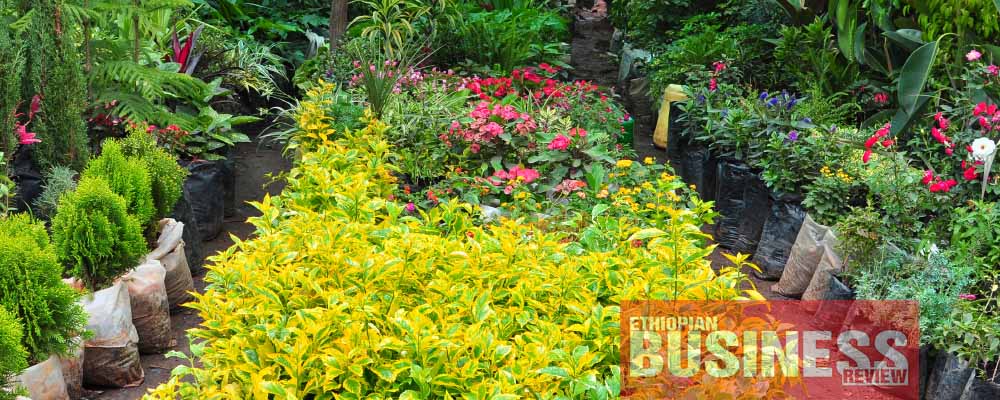
Lately, decorating outdoor patios with greenery is becoming a common trend especially in Addis Ababa, a city that is home to almost a million households. As a result, individual property owners and real estate developers as well as hotels and government institutions, are increasingly becoming a customer of nurseries. EBR’s Tiruneh Assefa explores how these factors changed plant and garden businesses, dynamically.


Flooding-Crisis.jpg

What is the way Out?

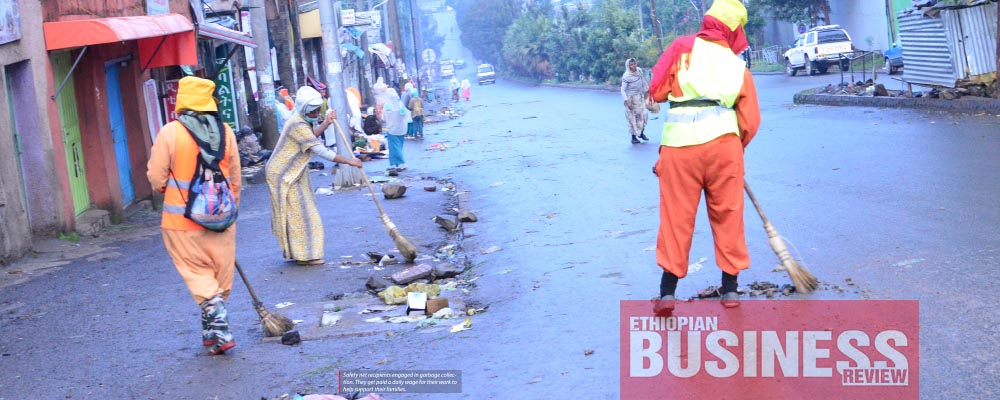
In recent years, Addis Ababa has been increasingly affected by flooding due to its vulnerability to rainfall and flash floods. The vulnerability to flooding has been further aggravated due to a poor drainage system, rapid urbanization and climate change, which have lead low-income communities to settle in flood-prone areas. EBR’s Ashenafi Endale explores the extent of the damage as well as what the government is doing about it.


Made-Shoes.jpg

Starting around ten years ago, Ethiopian-made leather footwear has become increasingly more popular. From children to youths, many people are now increasingly seen wearing locally made footwear. In spite of its popularity, footwear has recently became very costly for users, primarily because the price of soles for shoes has increased. Most soles are imported from abroad. Although there are four local companies that manufacture soles, they are still unable to produce soles in bulk to satisfy the demand, as EBR’s Tiruneh Assefa reports.


Free-Trade.jpg

Is it the Magic Bullet for Africa’s Industrialization?

The African Continental Free Trade Area (ACFTA) was signed by 44 African countries, including Ethiopia, in May 2018, and will cover a market of 1.2 billion people and a gross domestic product of USD2.5 trillion once it is implemented. In terms of numbers of participating countries, ACFTA will be the world’s largest free trade area since the formation of the World Trade Organization. The creation of a free trade area is expected to boost the current intra-Africa trade, which stood at 13Pct. Although officials stress that it will be a beneficial for Ethiopian goods to penetrate other African markets, many are concerned over the competitiveness of the private sector in the local market, let alone outside the country. EBR’s Ashenafi Endale reports.


“An investment in knowledge pays the best interest,” wrote Benjamin Franklin. A fervent advocate for public education, and a founder of libraries, schools, and the University of Pennsylvania, Franklin viewed education as the foundation of human progress. If he were alive today, he would be horrified by the state of education in developing countries – and he would most likely be backing the International Finance Facility for Education (IFFEd) proposed by the International Commission on Financing Global Education Opportunity, led by former British Prime Minister Gordon Brown.


The current democratic movement that has engulfed Ethiopia must be supported by economic reforms and democratic system. The two are intimately connected: you can’t have one without the others. Democracy is the best form of government for economic progress. But if the economy is not improving, the flag-bearers of democracy among the populace will make U- Turn. The Ethiopian youth do not “eat democracy”; at the end of the day they need jobs, income, food and housing for themselves and their dependants.


Urban-Safety.jpg

For a long time, rural poverty has been a big concern in Ethiopia. Compared to rural standards, the urban population, which was estimated at over 20 million last year, might live in better conditions. But, recently, poverty among the urban population reached a point where it can be considered a crisis. Due to this, the World Bank, in partnership with the Ethiopian government, implemented the first Urban Productive Safety Net Program last year, at a cost of USD450 million, to reduce urban poverty. EBR’s Samson Berhane evaluates the success of the program.


Elite-Athletes.jpg

Ethiopia Broadens its Focus To Recruit Future Talent

The 2018 World U20 Championships, also known as the World Junior Championships, took place at Ratina Stadium in Tampere, Finland from July 10-15 2018. Solomon Barega and Tilahun Haile were among the 36 Ethiopian athletes who participated in the Championships. They come from Quante, a small town located in the Southern Nations, Nationalities and Peoples (SNNP) state, which has similar topography and weather conditions as Bekoji, known for producing many of Ethiopia’s Olympic medallists. As EBR adjunct writer Abiy Wondifraw, found out unlike the previous trend of recruiting from only a few places, more athletes are now coming from all corners of the country including Quante, to represent Ethiopia on the national stage.


Piassa.jpg

The Fate of Arada Hangs in the Balance

Piassa, at the heart of Addis Ababa is representative of the city’s old face. It was long known for being the go to place for commerce, and leisure. But in the past few years, urban development has been changing the face of the area. As the older parts of the city are being demolished residents feel that Piassa has lost some of its unique character. EBR’s Menna Asrat went to Piassa to find out what makes Piassa tick and what residents think the future holds for Addis’ old city.


Ethiopian Business Review | EBR is a first-class and high-quality monthly business magazine offering enlightenment to readers and a platform for partners.


2Q69+2MM, Jomo Kenyatta St, Addis Ababa

Tsehay Messay Building

Contact Us

+251 961 41 41 41