

 Ashenafi Endale
Thanks to big corporations and financial companies, Addis is becoming a city with a high number of buildings compared to east African cities. Many of these buildings were constructed by local contractors that were able to learn fast in the past two decades, though not free from flaws. Majority of buildings constructed by local contractors lack quality and basic infrastructures and have very similar designs. Frustrated, many builders are now turning their backs on local contractors, while strengthening their ties with the foreign ones, particularly those from China. Almost all big buildings, roads and dam projects throughout the country are being handled by Chinese contractors. EBR’s Ashenafi Endale investigates.
Are theyAchievable?
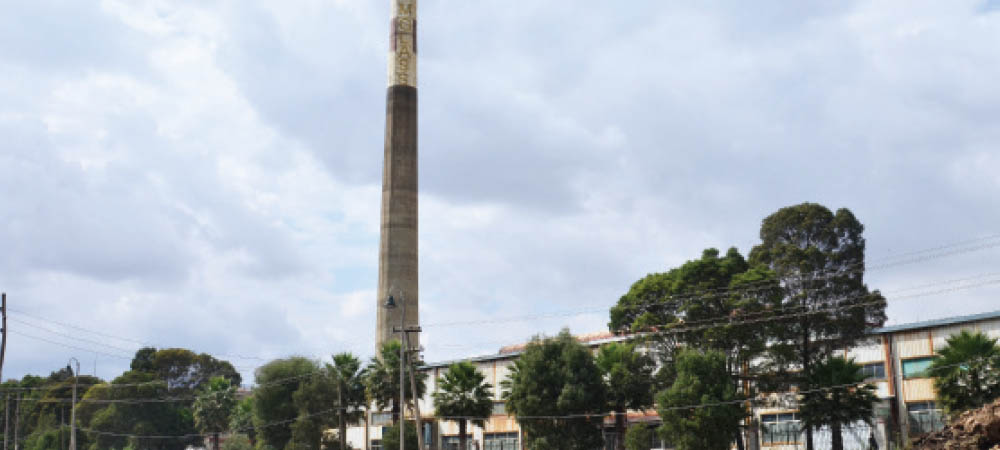
With power interruption becoming the norm, implementing green manufacturing has been almost impossible in Ethiopia. Although there are many companies that have embraced the idea of using green energy as a source of power, poor electricity supply has forced them to be dependent on fossil fuels. Especially cement factories, and industries that require high voltage, have no choice but to spend increasing amounts of foreign currency to import coal and fuel. Such a reality, coupled with inefficient energy usage, is profoundly costing the country. EBR’s Ashenafi Endale explores.

 Samson Berhane
Buzuayehu T. Bizenu, a father of six, is a Group Chairperson of East African Holding, a de facto industrial conglomerate with 17 subsidiaries. His company is engaged in the manufacturing of fast moving consumer goods, tea processing, printing and packaging, transport, real estate, cement production, and coal mining. Although Buzuayehu has structured and re-established the company almost 25 years ago, it is his grandfather who founded the business more than a century ago, making him the third generation in a family of entrepreneurs. After his father inherited the business and diversified into milling and agriculture (coffee), his fledgling enterprise was nationalized by the Dergue regime in 1974.
While this was a major setback, the family’s dreams and aspirations were not curtailed as entrepreneurship was deeply engrained in his soul from an early age. Soon after, Buzuayehu was able to pick up after his father, although this was an extremely difficult task under communist rule. He fled to neighbouring countries to establish trading and distribution posts, opening offices in Djibouti, Kenya, Uganda and Tanzania. He moved to Ethiopia after EPRDF took power in 1991. Attracted by a favourable private sector and industrial development policy, he quickly transitioned from trading to manufacturing and agribusiness.

An Endeavor Far-removed from its Goal
With Ethiopia being at a crossroads, nation-building continues to be a contentious matter amongst politicians and policymakers in Ethiopia. Attempts of successive regimes to build an economically integrated society have borne no fruit. The administration of the Revolutionary Democrats is no different. The constitution adopted 25 years ago demands the formation of a single economic community which is crucial in promoting common rights, freedoms, and interests. The reality is, however, far from the intended goal. Not only that, the main ingredients of state building, providing citizens with basic functions and services, including maintaining internal order, are still unmet. EBR’s Ashenafi Endale probes into the matter.

Why & How Ethiopia is Losing its Precious Commodity
A decade ago, gold constituted close to one-fifth of the total export earnings of Ethiopia. But the country has not been able to sustain this momentum. Last year, export income from gold plummeted to a dismaying USD32 million from 654 million in 2011/12 fiscal year. This is largely due to the growth of contraband trade and the closure of mining companies for allegedly polluting the environment. EBR’s Ashenafi Endale investigates.
 Abiy Wendifraw
Football is the most loved sport in Ethiopia, even though the country is more known in athletics globally. But such an affection usually ends with saddening moments as the national team has almost never been successful, except during some very few moments. Beyond that, with the absence of footballers’ association, there was no body to speak on behalf of the players. But five months ago, for the first time in history, footballers convened and established an association, which is expected to produce, in the future, skilled and well trained footballers, besides representing its founders. EBR adjunct writer Abiy Wendifraw reports.
 Haimanot Ashenafi
An Ethiopian-BORN GERMAN Climbing the Ladder of Success
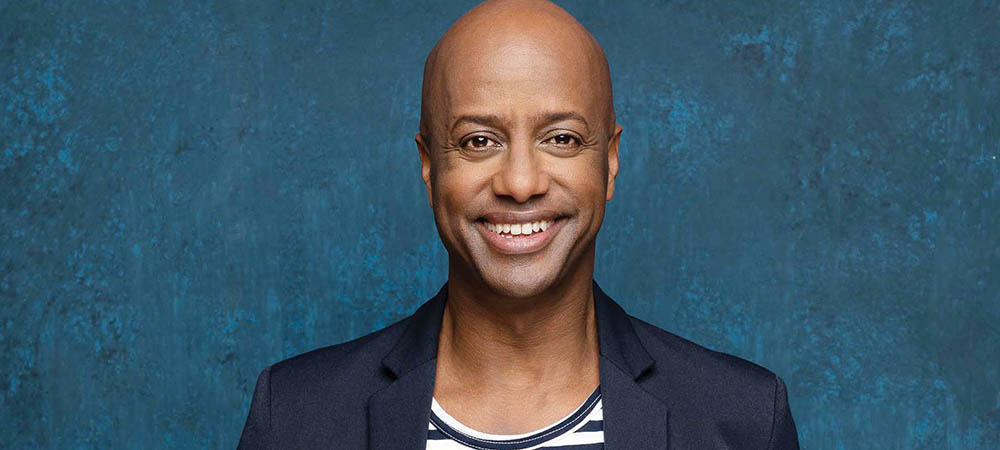
From refugee to multi-disciplinarian, Yared Dibaba went from training with, to being chased by the Dergue regime. From his newfound home in Germany, he went on to master many fields, from media to trade, to give back to the nation that afforded him a second chance. But he reminisces his hardships as a refugee and the extra effort made to succeed in life. He believes that one should respect all human rights and be deeply rooted in culture, heritage, and self-awareness, and that Ethiopians can benefit from these virtues and should learn from one another by engaging diversity. EBR’s Haimanot Ashenafi sat down with Yared to understand his journey and aspirations.
 Kiya Ali
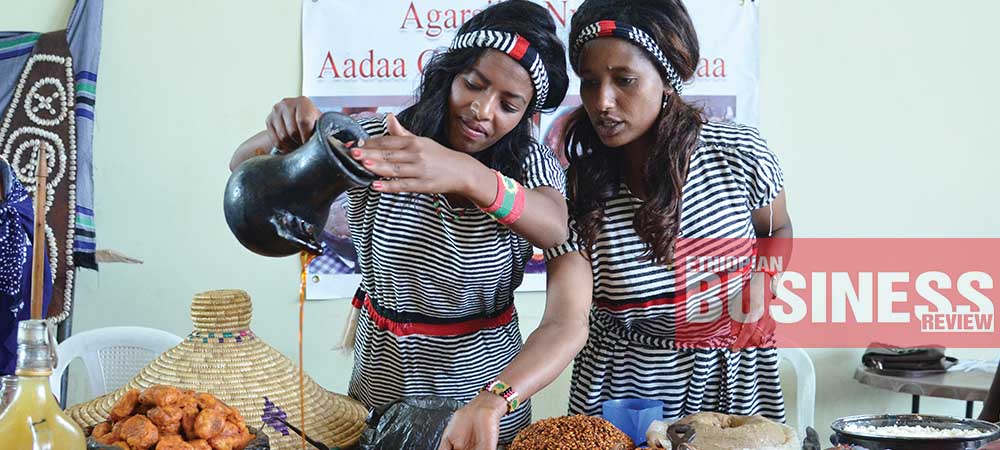
In the past, very few traditional/ cultural restaurants operated in Addis and most of them were criticized for lacking diversity and failing to portray the culture and foods of all Ethiopians. Lately however, traditional restaurants specialized on the foods of a certain ethnic group are rising. Among them are Sidama, Wolayita and Oromo (Wollega) traditional food restaurants. EBR’s Kiya Ali explores.

 Ermias Mulugeta
Nib Bank registers a historic-high growth in its paid-up capital, reaching ETB2.6 billion as of June 30, 2019. This is 30Pct higher than the same period last financial year and is also twice the growth witnessed in 2017/18.
 Ethiopian Business Review
The past month saw the Sidama referendum and the merger of EPRDF into a single political entity called ‘Prosperity Party.’ Amongst the most common comments regarding the Sidama referendum was that it was an exercise of democracy in which the people finally determined their own administrative fate. Similarly, the formation of Prosperity Party has been commended as an inclusive effort that makes state power accessible to all Ethiopians organized under EPRDF. That too inevitably makes it a democratic move.