5d2b9f90dd3e0.jpg

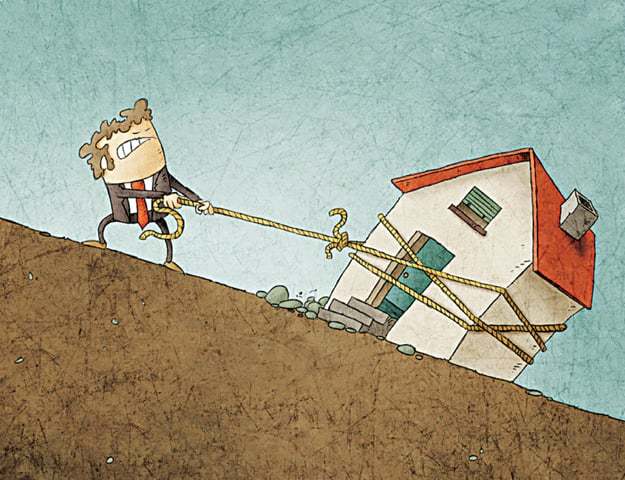
A new hope was dawn when two banks named Goh and Selam recently begun selling shares with the aim to finance specifically housing demand. Ethiopia’s housing gap is an accumulation from generations, with over 400,000 new demand annually matched by less than 100,000 supply, government schemes and private developers teamed up.  Now, Goh and Selam revived the demand of millions of house seekers, promising to deliver hundreds of thousands of houses in few years. Goh will provide loans for the house buyers, while Selam both the developer and buyer.
modjo-dry-port.jpg

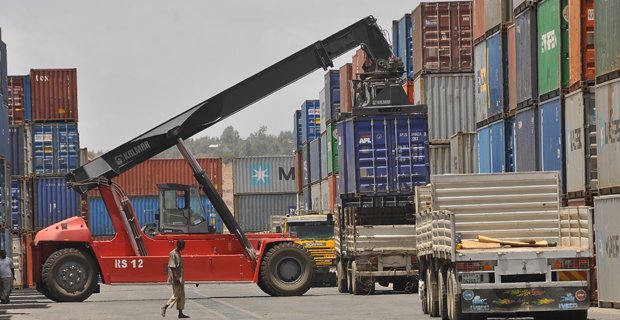
The Ethiopian Maritime Affairs Authority (EMAA) is finalizing a new directive specifying requirements to govern the licensing of private multimodal transport operators.

“We are preparing to commence licensing the first private multimodal operators in the country. There are many logistics companies who have been requesting this,” Ewnetu Taye, Deputy Director at the Ethiopian Logistics Transformation Office (LTO), told EBR.


sesame-conundrum.jpg

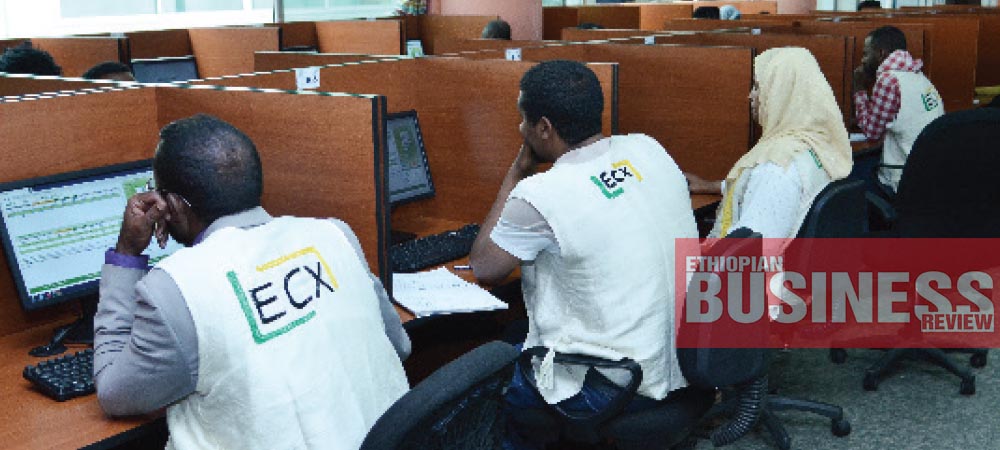
Ethiopia’s modality for coffee exports has shifted from the Ethiopian Commodity Exchange (ECX) to vertical marketing. During the 2020/21 Ethiopian fiscal year that ended June 30, 2021, over 90Pct of the 248,000 tons of coffee was exported through the new modality which is outside of ECX’s platform—earning the nation a record high income of USD970 million. This value has only been in the range of USD600 to 800 million during the past decade. The price of regular Ethiopian coffee also jumped in the international market from USD2,800 two years ago to the current USD4,000 per ton—a surge of 35Pct. Specialty coffee fetched around USD70 per kilogram. However, USD370 per kilogram was the winning bid of the Cup of Excellence coffee auction.


Zemedeneh-Negatu.jpg

Zemedeneh Negatu is currently Chairman of Fairfax Africa Fund, a US-based firm engaged in investment banking and private equity financing in sub-Sahara Africa, including Ethiopia. He is also one of the promoters of the under-establishment Selam Bank which intends to disburse ETB200 billion as mortgage loans to finance 100,000 housing units in its first five years of operations. EBR sat down with Zemedeneh to discuss the endeavors of Selam Bank and the challenges it expects to face.


Is-Ideology-Relevant-for-Africas-Development.jpg

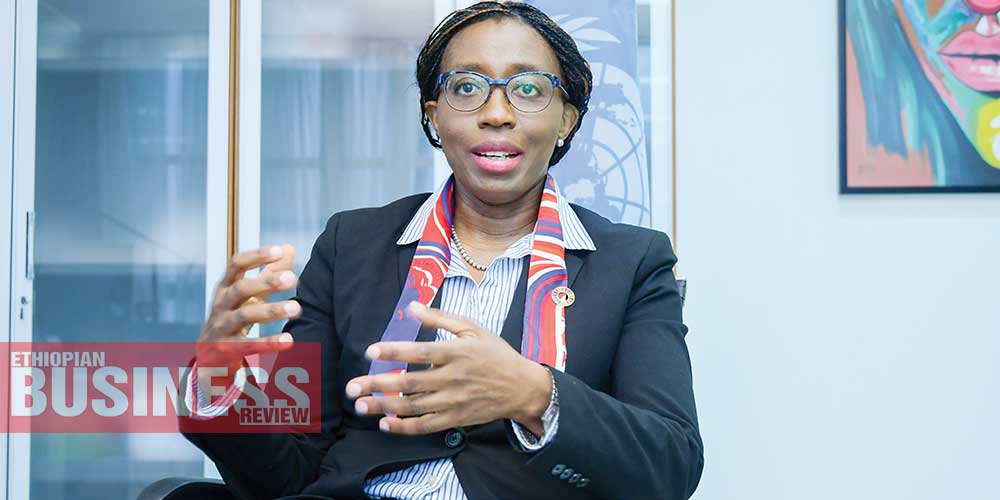
Vera Songwe is the UN Under-Secretary-General and 9th Executive Secretary of the Economic Commission for Africa (ECA), becoming the first woman to lead the institution in its 60-year history. Many portray her as a reliable ally and pathfinder as Africa aspires an economic union. Capable and hardworking, she is navigating uncharted territory while trying to mold a strong economy out of Africa’s weak institutions and imperfect politics. She is also going the extra mile in convincing western nations to give pandemic relief.
The Cameroonian holds a PhD in mathematical economics from the Center for Operations Research and Econometrics, a master of arts in law and economics, and a diploma of advanced studies in economic science and politics from Université Catholique de Louvain in Belgium. She also holds a B.A. in economics and political science from the University of Michigan. Prior to ECA, she held a number of senior leadership roles with the International Finance Corporation (IFC) and the World Bank.


The-Lack-of-Tenure-Security-is-the-Biggest-Problem-in-the-Mining-Sector.jpg

Nejib Ababiya, Founder and Chairman of Rift Geothermal, is currently developing an initial 300 MGW power plant with TMGO and Corbetti in Ethiopia. With his over 30 years of leadership experience especially in the mining and energy sectors, he founded Allana Potash, a company engaged in potash production, which he later sold to Israel Chemical, one of the largest potash and specialty chemical companies in the world. Nejib, born in Jimma, Ethiopia and migrated to Canada in 1979, has also founded other companies engaged in mining and energy. His current project with the company TRI is due to start construction of its gold mine in northern Ethiopia. Ashenafi Endale of EBR spent time with the serial entrepreneur to gain insights.


Inflation-Hits-Lower-Income-Families-Hard.jpg

The urban poor in Ethiopia are being hit by the invisible hammer that’s getting larger in size day by day. It is hard to recall a time where inflation was so prevalent and unrelenting. Even salaried workers—most employed by the government—are falling below internationally accepted thresholds of poverty. Former middle-class residents are now slipping into the low-income bracket and are utilizing consumer association shops to access basic commodities at cheaper prices that were previously destined for the poor. Further down, those with low incomes are falling into the ‘poor of the poor’ level, which can only be handled through direct support including the SafetyNet program. The administration is exerting efforts to help with the pain, but the underlying causes are yet to be tackled. Subsidies and direct payments to urbanites can only go so far as the regime’s pockets are getting shallower. EBR takes a close look at the toll inflation is inflicting upon urban residents and possible coping mechanisms both structurally and temporarily.


Post-covid-Africa-Needs-60-million-Jobs-Annually-2.jpg

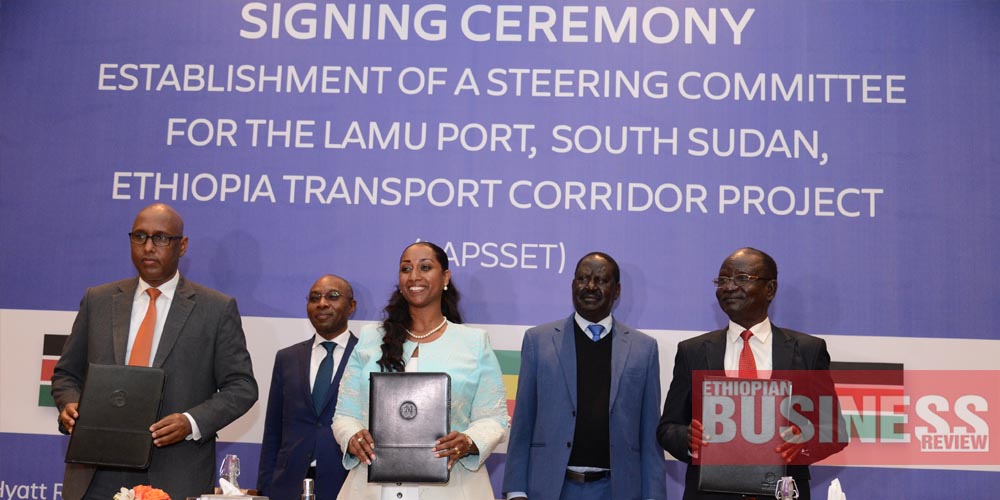
Africa needs to create 60 million jobs in post covid19, annually, in a bid to clear the backlogs, according to Vera Songwe, Executive Secretary of the Economic Commission for Africa (ECA). She stressed on Africa’s recovery during the ministerial meeting of Lamu Port-South Sudan-Ethiopia-Transport (LAPSSET), in Addis Ababa, where the three states signed agreement to form a steering committee.


Ethiopias-Thorny-Quest-for-Public-Investment-Finance-.jpg

Ethiopia’s sources of finance are thinning, calling into question the sustainability of the large government-financed GDP expansion of the last fifteen years. The recent decision of the US to impose economic sanctions on Ethiopia has only worsened the situation of Ethiopia’s external financial sources, already crippled with high debts.

In a bid to maintain the 10Pct average annual growth, government needs to invest 37Pct of GDP—very difficult to fulfill from only tax and FDIs weakened by conflict and COVID-19. Even the highly expected telecom license sale did not garner expected amounts.

New investments are critical to maintain the pace of growth and fulfill the demands of a fast-growing population and fend off soaring inflation and unemployment. Finalizing the megaprojects of the past decade needs further investment and starting new ones seams dreamy. EBR’s Ashenafi Endale navigates alternative venues left for development financing.


Ethiopian Business Review | EBR is a first-class and high-quality monthly business magazine offering enlightenment to readers and a platform for partners.


2Q69+2MM, Jomo Kenyatta St, Addis Ababa

Tsehay Messay Building

Contact Us

+251 961 41 41 41