
The-Uphill-Battle.jpg

The reliance on remittance has scaled up globally from household level to national economies following the massive workforce flow in the contemporary global economy. Ethiopia, a country that just woke up to this reality, has countless reasons to regard remittance as its biggest source of foreign currency. Especially in the last decade, remittance flows increased significantly surpassing export revenue. The annual remittance flow currently stands at USD5.3 billion. However, the annual remittance sent via official channels doesn’t match the huge number of Ethiopians residing abroad. EBR’s Ashenafi Endale investigates the reasons behind.


Fast-Forwarding-Evolution.jpg

The transformation of humanitarian organizations into financial institutions in 1997 was the beginning of operation of Micro Finance Institutions (MFIs) in Ethiopia. From then on, MFIs have showed remarkable progress in number, outreach, coverage and performance. Currently, 40 MFIs operating in the country serve close to 10 million clients nationwide while 15 more are in the making. Breaking the trend in the rest of the world, Ethiopia’s microfinance industry is born and raised in rural parts of the country. However, MFIs are currently conquering urban Ethiopia and providing credit especially for business establishments. Urbanites now make up close to 10Pct of the clientele of MFIs. The four pioneer MFIs, whose capital is way larger than most small and mid sized banks, are planning to mold themselves into conventional banks. On the other hand, the rest are pushing up their credit limits in order to capture the attention of the large segment of the unbanked population. Although most MFIs in Ethiopia have reached maturity and success, they are not immune from problems. EBR’s Ashenafi Endale reports.


Addis-Ababas-Baby-Steps.jpg

There are no options in sight for Addis Ababa’s horizontal expansion now that border disputes with Oromia regional state have become one of the hottest political agenda in the country. This horizontally fixed landmass has, however, been receiving an unprecedented huge influx of rural urban migrants. With most of the city’s farm lands used up for constructing residential areas, residents of Africa’s capital are left to depend on regional states for the supply of agricultural products. EBR’s Ashenafi Endale looks into the problem and the fresh efforts being taken to avert the situation.


hawasa-industry-park_2.jpg

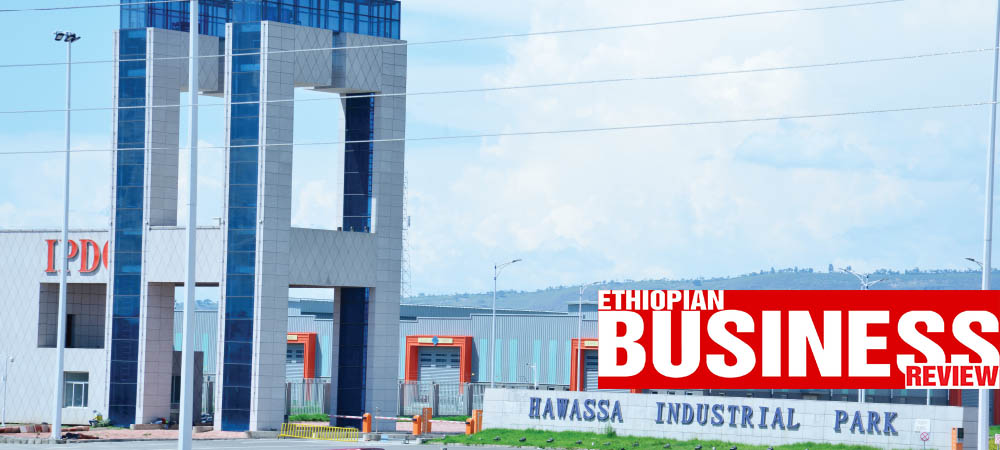
For over half a decade, Ethiopia has been crowned as one of the preferred destinations for foreign direct investment (FDI). Just three years ago, the country was ranked second in Africa. FDI remains a highly politicized concept and contrasts to the reality on the ground. Actual FDI capital inflow represents a small portion of the reported figures of FDI into the country. Even then, both are now in their worst shape, largely because of the political instability in the country and bureaucratic hurdles, among others. EBR’s Ashenafi Endale investigates.


food-insecurity.jpg

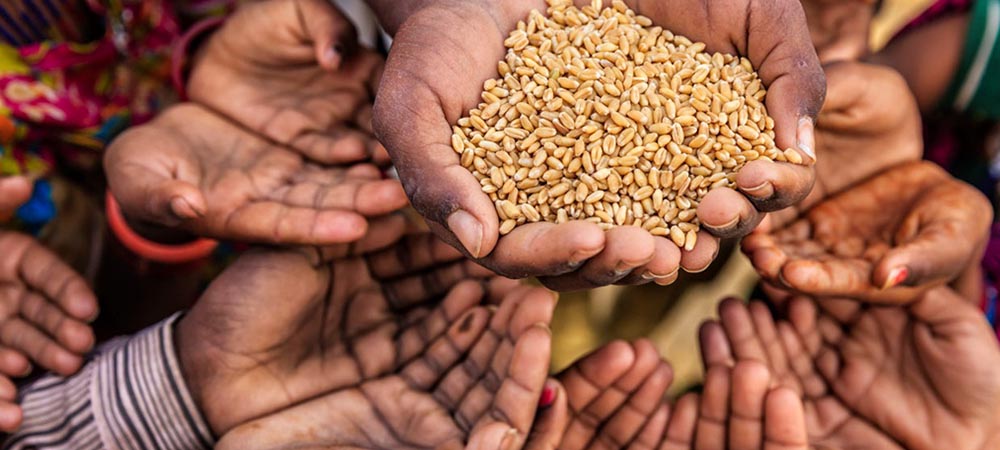
Food insecurity remains a key challenge for Ethiopia. More than eight million people are in need of urgent assistance and 70Pct of the country’s population earns below USD1.9 a day. More than 30,000 children, on average, with severe acute malnutrition (SAM) are admitted for treatment every month. Internal conflicts and climatic shocks adversely impact people’s livelihoods, making them unable to meet their basic needs, while exacerbating the food insecurity situation in the country. The failure to transform the agriculture sector, whose contribution to the economy has declined but remains a source of revenue for over three-fourths of the population, has made many food-insecure. EBR’s Ashenafi Endale explores.


landlessness.jpg

The value of land has risen significantly in rural Ethiopia over the past few years. With the youth population rising alarmingly alongside a very sluggish rural transformation, landlessness has become a chronic problem. According to the central bank, youth aged 18 to 25 years account for more than 40% of the working age population of Ethiopia, and constitute the majority of landless people. On top of being landless, a considerable portion of them are currently unemployed. EBR’s Ashenafi Endale spoke with farmers, researchers, policymakers, and government officials to shed light on the matter.


Desalegn.jpg

If there is anyone that has a high level expertise over land related issues, Desalegn Rahmato, in his mid 80s, is definitely one. He spent much of his life undertaking researches regarding the agriculture sector, landholding system, and other land related issues. In fact, he is the most cited scholar on land policy, agriculture, and food security in Ethiopia. His presentations and intensive and authoritative researches are published on numerous international journals, earning him international awards.


Import-Business.jpg

For long, import business has been lucrative in Ethiopia, fetching relatively higher profits in a short period of time. However, this reality has been changing lately. With the persistent foreign currency shortage and import-discouraging policies of the government, many importers are now closing their doors, shifting to other sectors in search of better fortunes. EBR’s Ashenafi Endale explores.


Economic-Sovereignty.jpg

New Trend in Present Day Ethiopia

Regional governments are waking up and responding to burning economic issues. Unlike the top-down economic command chain under the former centralized government, regions have started strategizing on how to tap into and benefit from the huge opportunities in the economy. To end this and in contrast to trends of the past decade, they have set up separate offices for international relations and have started dealing with neighboring countries and non-regional towns. While such practices are welcomed by those calling for the economic sovereignty of states, it is feared that this would further sour the relations between the central and regional governments. EBR’s Ashenafi Endale writes.


excise-tax.jpg

Another ‘flawed decision’ just around the corner

Learning from media outlets of new rules, laws or regulations to be enacted the next day without any consultations with the very entities it will govern, is a very common phenomenon in Ethiopia. The new excise tax law is no different. It was after the draft proclamation was approved by the Council of Ministers that businesses affected by the amendment started to voice their concerns. While the government plans to raise tax revenues in congruence with the growth of the economy, businesses are likely to feel the brunt of the bill. Many are complaining that the bill will adversely impact their revenues, while government officials argue the amendment of excise tax rates has shifted the burden of excise tax from producers and importers to end consumers. EBR’s Ashenafi Endale investigates.


Ethiopian Business Review | EBR is a first-class and high-quality monthly business magazine offering enlightenment to readers and a platform for partners.


2Q69+2MM, Jomo Kenyatta St, Addis Ababa

Tsehay Messay Building

Contact Us

+251 961 41 41 41