Sports-Centres.jpg

Ethiopian sport officials are looking to improve the country’s performance in continental and international competitions. One way to do this is nurture the next generation of talent that can rise to the standard of world-class athletic excellence. To that end, the government has invested money in developing youth training centres. The Tirunesh Dibaba Sport Centre in the State of Oromia is one such place. EBR’s adjunct staff writer Abiy Wendifraw visited the Centre and spoke to sports insiders to learn about the potential and challenges in developing future athletic talent.


St.-George-FC.jpg

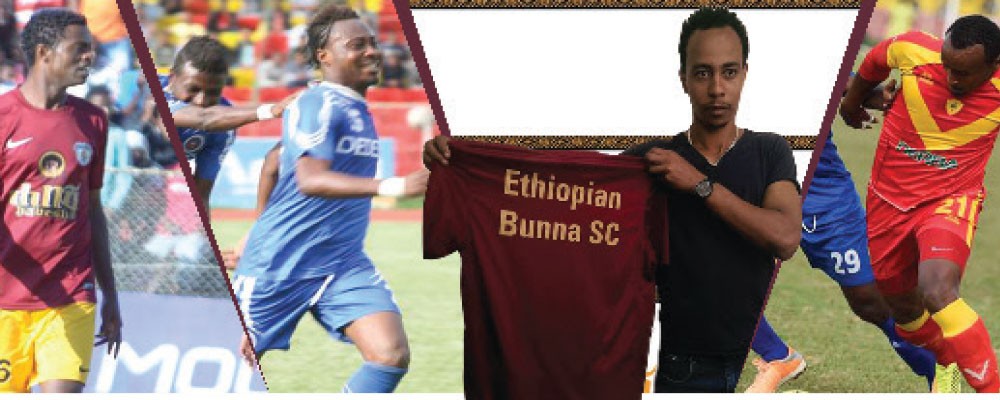
St. George FC, one of the most popular teams in the Ethiopian Premier League, has enjoyed many successes and endured its share of tribulations during its 80 years of existence. But one thing that still eludes the club is success on a continental level. EBR’s adjunct staff writer Abiy Wendifraw spoke with team administrators to learn more about it’s storied past and its plans to bring itself to the next level of success.


Female-Footballers.jpg

The news that Lucy, the Ethiopian women’s national football team, would be competing for a spot in the African Cup of Nations competition was mired in controversy and hope. It represented a moment in which the team was rising to prominence on a continental level. The moment was indicative of a larger trend taking place in the Ethiopian football: more opportunities for women, as even the most elite clubs now own female teams. Still, as EBR’s adjunct writer Abiy Wendifraw explores, there’s still more work to be done to create a more equitable playing field for female football players.


Doping-Practices.jpg

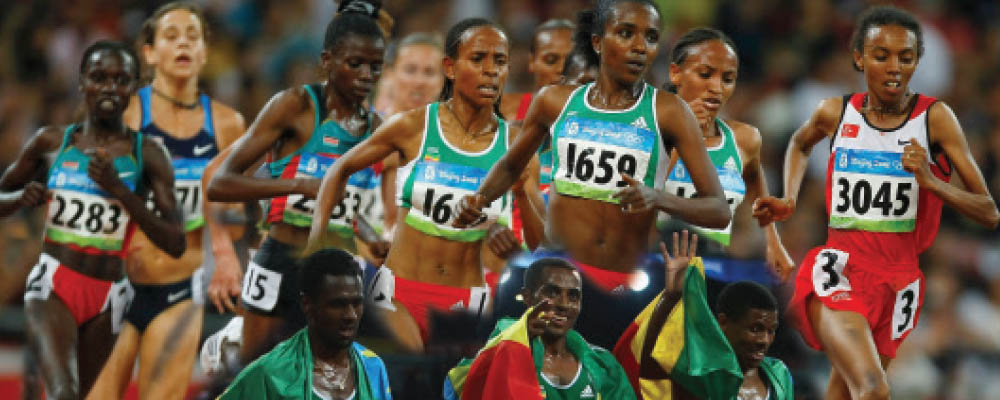
For decades, Ethiopia has enjoyed a highly regarded position within athletics, especially in long-distance running. This prominent role, however, may prove to be a liability in the eyes of some anti-doping activists who believe the successes of the country’s athletes warrants heightened scrutiny in doping investigations. Data from the leading anti-doping agency suggests these activists may be right: in 2013 alone, nearly 2,000 sanctions were levied for doping infractions in nearly 90 different sports around the world. What will this mean for Ethiopia’s athletics programme? EBR’s adjunct staff writer, Abiy Wendifraw, spoke with key stakeholders to learn more about what’s being done to address this issue.


After-Controversy.jpg

Ground tennis in Ethiopia dates back to the 1930s, when the first club was established in Addis Ababa. Since then, the sport has enjoyed a relatively loyal following, with a number of clubs and tournaments emerging throughout the country. Two years ago, however, the Addis Ababa Tennis Federation was banned from organising tournaments, following charges of human trafficking. After the ban, tennis enthusiasts say more should be done to promote the sport in the country, including increasing financial support. EBR’s Ashenafi Endale spoke with players and other stakeholders to learn more about the efforts to create a more robust tennis culture.


Circus-Gradually-Takes-Off-in-Ethiopia-1.jpg

Circus performance stands at the intersection of artistic craft and difficult athletic performance. Often, performers spend years perfecting their craft through athletic training and calisthenics. While it’s garnered much acclaim abroad, circus performance is a growing trend in Ethiopia – and one that numerous performance groups in the country hope will continue to grow. In connection with the African Circus Festival held recently in Addis Ababa, EBR’s Ashenafi Endale spoke with performers and organisers of the event to learn more about the craft and its nascent journey in Ethiopia.


Brewers’-Sponsorships.jpg

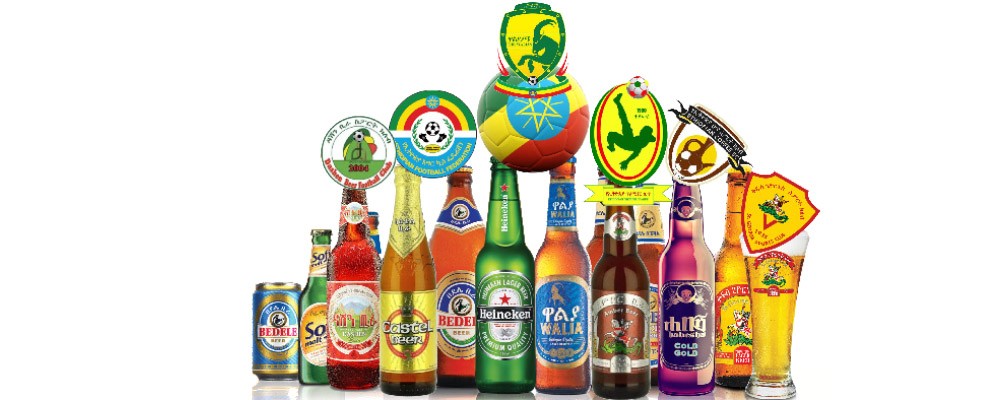
If you’ve ever been to a football match in Ethiopia, you’ve probably witnessed one particular beer being sold or featured prominently in the stadium. This is because certain teams enter sponsorship deals with beer companies. The deals typically entail the team receiving money from the beer company in exchange for exclusive affiliation with the club, often involving the sale of beer at matches, among other things. Some officials from the Ethiopian Football Federation (EFF) say sponsorship deals help to mitigate the steep costs of managing various clubs and their development. Others, however, are critical that these deals may engender conflicts of interest, which could ultimately prove detrimental for different clubs vying for sponsorship deals with competing companies. EBR’s Ashenafi Endale spoke with EFF officials and beer company representatives to explore the issue further.


Can-Ethiopian-Basketball.jpg

Ethiopia’s basketball programme has a rich history in Africa. In the 1950s, the country’s team was among Africa’s top five – and Ethiopia was even a founding member of the Federation of International Basketball Association (FIBA) African Championship. However, since the mid-1960s, the country’s basketball performance has been declining. In fact, Ethiopia hasn’t had a national basketball team for the last ten years. Basketball insiders say that this is due to the lack of structural support for the sport and a dearth of training facilities in the country. To that end, some people are trying to improve the status of the sport. EBR’s Ashenafi Endale spoke with basketball officials to learn more about what’s being done to bring prestige back to Ethiopia’s basketball programme.


New-Regulation.jpg

The month of July marks the beginning of transfer season for Ethiopian football players. The period is usually marked by the active movement of players from one club to another. However, this year is different, because of a directive, that was adopted by the Ethiopian Football Federation (EFF) that no longer allows players to receive lump sum payments for transfer deals; instead, they receive their payments in monthly installments. The EFF says this action was taken to ensure players are accountable to their new teams, as some players in the past have taken their money and disappeared. Players, however, say the directive unfairly penalizes players. EBR’s Ashenafi Endale delved deeper into the debate to learn more about the effect the directive has had on Ethiopian football clubs summer transfer.


Yoga’s-Slow-Growth.jpg

Despite the worldwide popularity of yoga, the ancient craft has yet to catch on in Ethiopia. A few entrepreneurs are trying to change this trend. In Addis Ababa, one can find a few yoga studios and gyms that offer classes. There are even a few centers that offer training to become certified as a yoga instructor. Still, yoga practitioners argue that more work needs to be done before yoga becomes a popular activity. EBR’s Ashenafi Endale spoke with yoga instructors to learn more about the potential of its growth in Ethiopia.


Ethiopian Business Review | EBR is a first-class and high-quality monthly business magazine offering enlightenment to readers and a platform for partners.


2Q69+2MM, Jomo Kenyatta St, Addis Ababa

Tsehay Messay Building

Contact Us

+251 961 41 41 41