

 Stephany Griffith-Jones
Major global threats—including the COVID-19 pandemic, climate change, and rising inequality—call for large-scale concerted action. The challenge facing policymakers today is to support big structural transformations that can make economies simultaneously more productive, more inclusive, and less carbon-intensive. Public development banks (PDBs)—at the local, national, subregional, regional, or interregional level—are key to helping governments finance a rapid recovery from the COVID-19 crisis, and to ensure that economies serve people and the planet far better in the long run.
 Ashenafi Endale
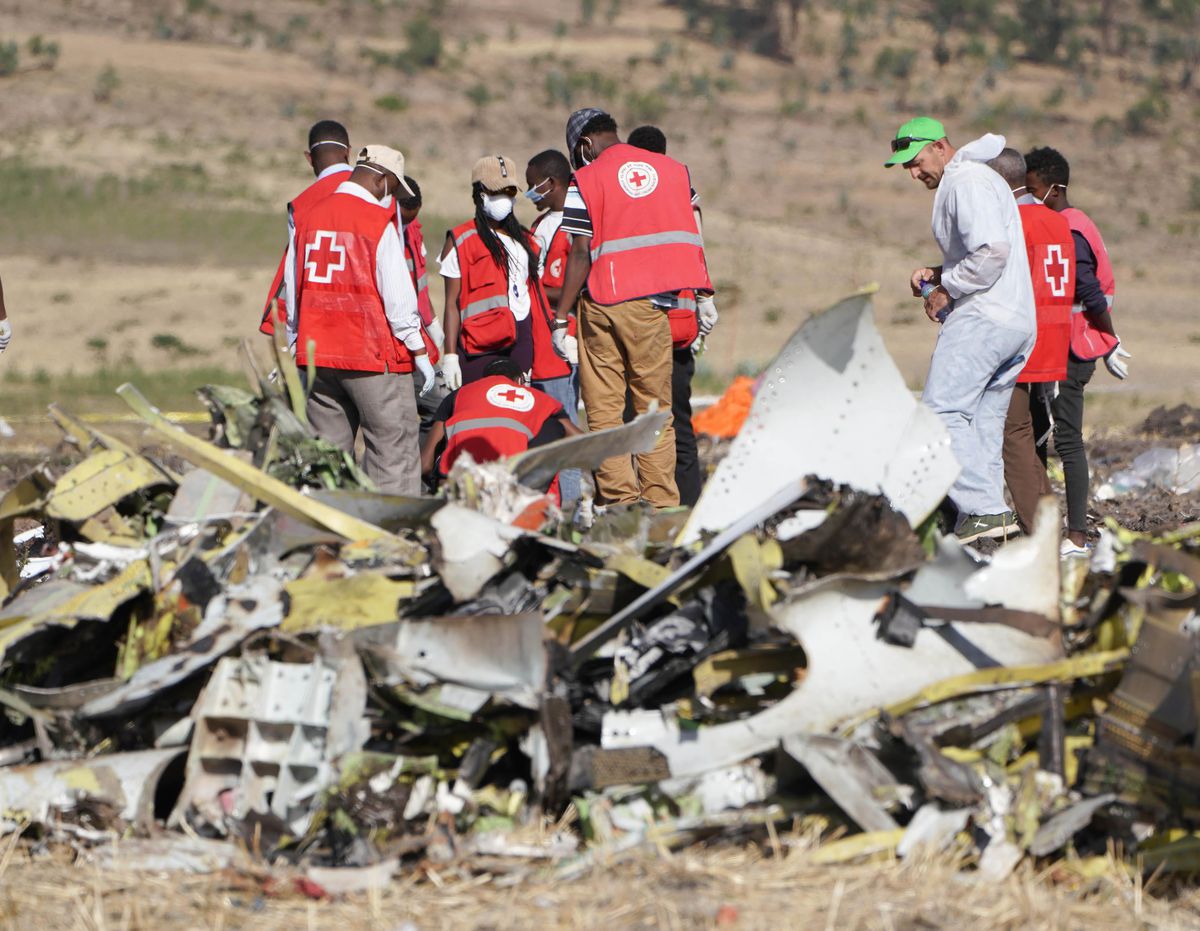
Boeing has entered into agreement to pay a total criminal monetary amount of over USD2.5 billion, the US Department of Justice disclosed on January 7, 2021. Criminal information filed at northern district of Texas, Under the deferred prosecution agreement (DPA), charges Boeing of conspiracy to defraud the united states.
The total USD2.5 billion, is composed of a criminal monetary penalty of USD243.6 million, compensation payments to Boeing’s 737 MAX airline customers of USD1.77 billion, and the establishment of a USD500 million crash-victim beneficiaries fund to compensate the heirs, relatives, and legal beneficiaries of the 346 passengers who died in the Boeing 737 MAX crashes of Indonesia’s Lion Air Flight 610 and Ethiopian Airlines Flight 302.
“Boeing’s employees chose the path of profit over candor by concealing material information from the FAA concerning the operation of its 737 Max airplane and engaging in an effort to cover up their deception. This resolution holds Boeing accountable for its employees’ criminal misconduct, addresses the financial impact to Boeing’s airline customers, and hopefully provides some measure of compensation to the crash-victims’ families and beneficiaries,” stated Acting Assistant Attorney General David P. Burns of the Justice Department’s Criminal Division.
Boeing Max products were grounded in 59 airlines, to which the company pays compensation, apart from the families of the deceased in Indonesian and Ethiopian demised flights. All 157 passengers lost their lives during Flight 302 and 189 in Flight 610.

Ethiopia has lost over USD300 million from Meeting Incentives Conferencing and Exhibitions (MICE), since the corona virus, according to a study presented by Addis Ababa chamber commerce and sectoral association, on December 31 There were 24 international exhibitions organized in Addis Ababa, annually, before covid19. There are
also over 700 event organizers in Addis Ababa, who currently has lost their manpower. Between ETB200 million and ETB250 million transactions takes place per exhibition, according to Aklile Belete, managing partner at African Trade Fairs Partner.
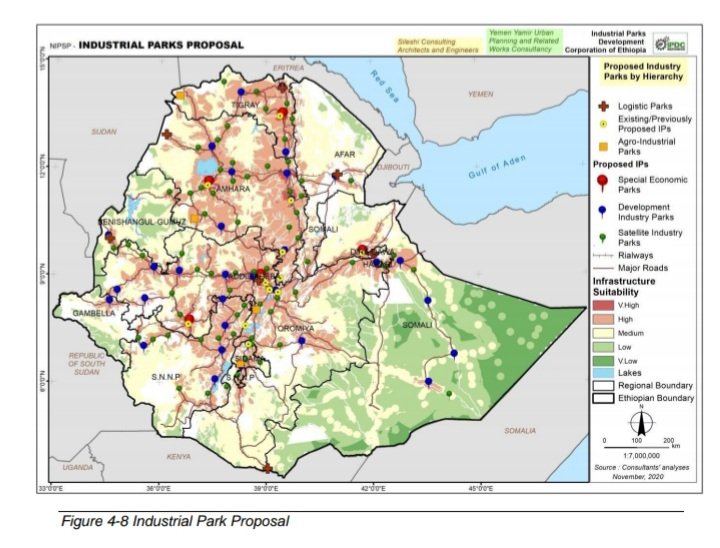
The Industrial Parks Development Corporation (IPDC) unveiled plans to develop over 50 satellite
industrial parks across the country. The National Industrial Parks Spatial Plan, indicated types of IPs that
will be developed over the next two decades, and their feasibilities where to be built.

 Redeat Gebeyehu
Piracy is the major factor challenging the emerging music industry in Ethiopia. According to studies, 80Pct of the music sold in the country is pirated. To fight piracy, few individuals are trying by employing an internet-based application to create a formal music market and reverse the misfortune. Established by a group of artists including the late Elias Melka, Haile Roots, Dawit Nigussie, and Jonny Ragga, Awtar, a mobile application where users can search the music archive and download songs and albums on their phones, is one of the upcoming methods to fight piracy and sell music works to the public. EBR’s Redeat Gebeyehu explores how the technology is changing the music industry.
 Ethiopian Business Review
Ethiopia has been impelling for the expansion of Djiboutian ports to accommodate its mushrooming foreign trade on top of exploring alternative sea gates, including the purchase of a stake in Somalia’s Berbera port. The country is also under negotiations with Eritrea to develop the ports of Massawa and Assab. The recent establishment of a one-stop border post (OSBP) between Kenya and Ethiopia alongside the completion of the Hawassa-Moyale road project provides Ethiopia, with its heavy and increasing dependence on imports, another option with Lamu, Kenya’s second largest port after Mombasa.
Source: Mo Ibrahim Foundation, The Sustainable Development Goals Center for Africa. Sustainable Development Solutions Network
In the 2020 Africa SDG Index and Dashboards Report, most of the 17 SDG goals have witnessed serious setbacks, mainly due to COVID-19.
The slowdown of domestic economic activity translates into revenue shortfalls. The financing gap for SDGs in Africa that was already large is expected to widen, increasing the fiscal vulnerability of African governments. Without financial resources, sustainable development is elusive.
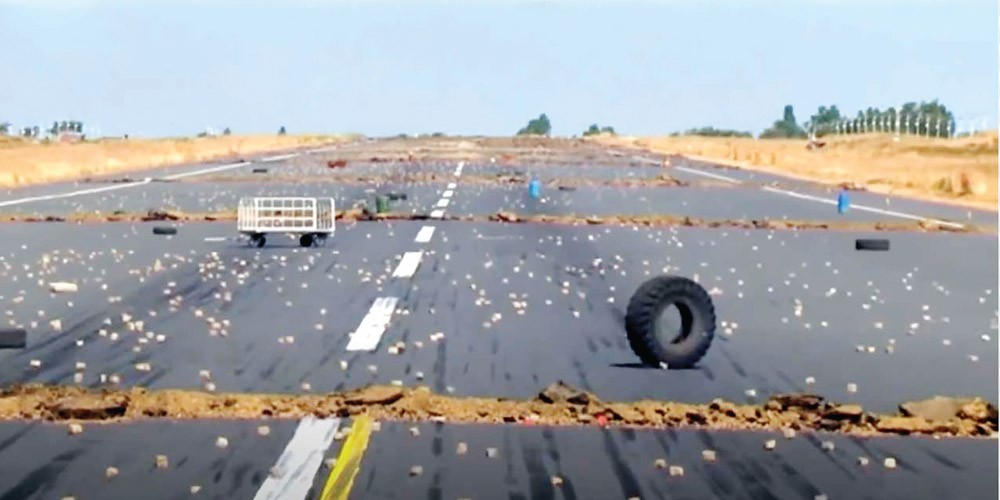
Since 2015, anti-government protests, conflict, and instability have been ravaging Ethiopia. Especially in the past two years, the breakdown of law and order has become the new normal. Thousands have lost their lives and in 2018, 2.3 million were internally displaced—a world record high. In fact, in the last two and a half years, excluding the latest operation in Tigrai, 113 conflicts have erupted across the country. As a result, the federal government’s expenditure to secure public order and security swelled from ETB14.2 billion in 2017/18 to a staggering ETB24.2 billion in 2019/20. Though without a known updated figure, the latest operation in Tigrai is sure to compound Ethiopia’s security bill. EBR’s Ashenafi Endale explores the direct and indirect costs of conflict and instability, as well as the overall economic losses.

Mehrteab Leul Kokeb, a leading corporate financial services Lawyer in Ethiopia, has been practicing law for nearly three decades. After earning his law degree from Addis Ababa University in 1992, he worked as a judge in the high court and also as a litigator in the early 2000s. He then partnered with DLA Piper, a London based global law firm with offices in more than 40 countries, and joined the firm’s network by founding Mehrteab Leul & Associates (MLA) Law Office, a de facto law firm advising and representing corporate clients on business and investment issues in Ethiopia. Mehrteab has also studied financial services law at the University of London.
 Elias Tegegn
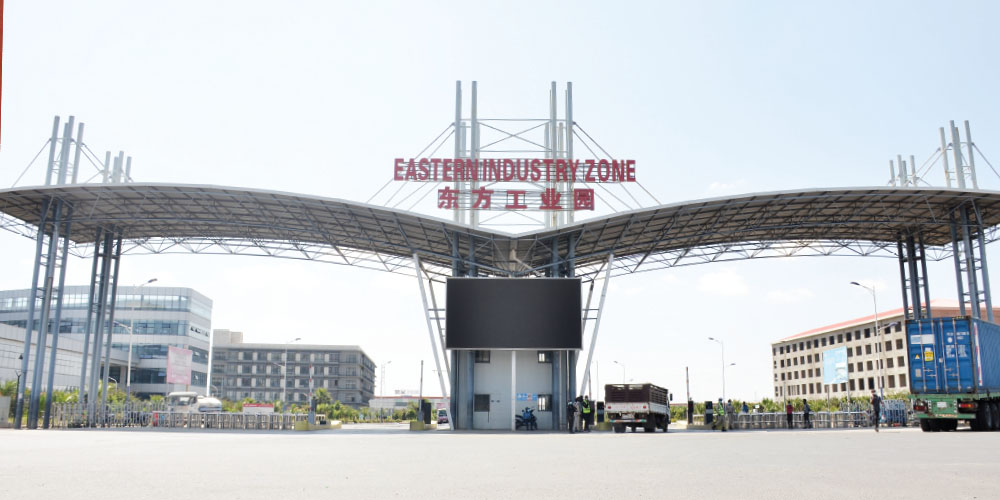
There are seven privately- and 10 government-owned industrial parks (IPs) operating in Ethiopia. Although the government-owned ones were developed with massive finances, thus far their performance has not been satisfactory. On the other hand, companies operating inside privately-owned IPs are doing well. In fact, an increasing number of foreign investors are requesting to develop their own IPs. The government, recently decided to discontinue developing IPs and is preparing a directive to facilitate this. EBR’s Elias Tegegn explores the issue.
