Safe-Houses.jpg

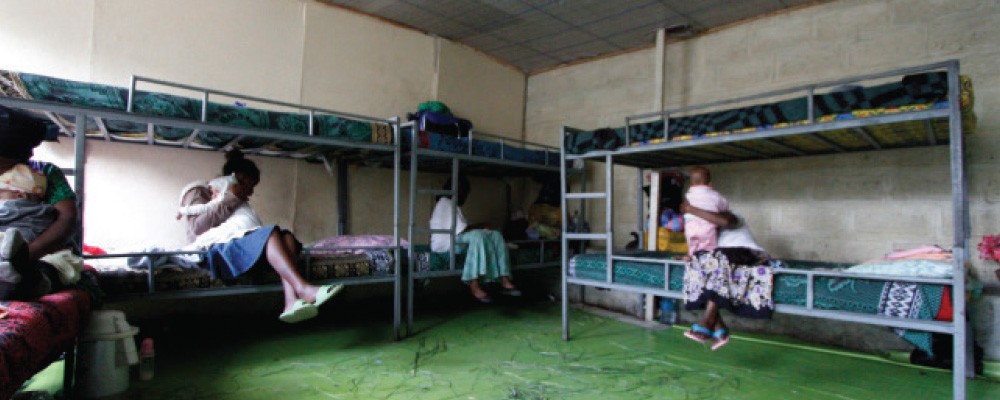
By some estimates, 70Pct of women experience abuse in their lifetime. The ordeal may leave some women and their children traumatised and feeling isolated, which can lead to long-term physical and mental anguish. Safe houses, also known as sanctuaries, were designed to provide these women and their children a safe place to receive shelter, food and counselling services to help them recover from the trauma they’ve experienced. EBR’s Meseret Mamo visited two sanctuaries and spoke with stakeholders to understand how the centres work to help women and children abuse survivors.


Lalibela.jpg

Heritage tourism refers to the practice of attracting visitors to a place because of its unique cultural or historical significance. In this way, the ancient town of Lalibela has been a stalwart of Ethiopia’s tourism industry. The town attracted more than 40,000 tourists in 2014. This inflow, a significant increase from previous years, helped the town generate ETB300 million in the 2013/14 fiscal year.


hiv.jpg

Ethiopia has made great strides in combating HIV and AIDS over the last decade. According to the World Health Organisation, new HIV infections declined by 90Pct and AIDS-related deaths by 53Pct between 2000 and 2011. Other important figures, like the rate of transmission and number of newly infected individuals, have also decreased substantially since 2000. These achievements, however, have resulted in decreased funding from international donors like the President’s Emergency Plan for AIDS Relief (PEPFAR) and The Global Fund, which come mainly from the United States. According to some officials, the decreased prevalence of the virus has also contributed to a more lax attitude with regard to HIV among younger people who don’t view the virus as a substantial threat to their livelihoods. These dynamics worry many officials that the country may witness a resurgence of the virus in certain demographics. EBR’s adjunct staff writer Meseret Mamo explores the issue further and offers this report.


Abate-Mekuria.jpg

Enduring Life, a Journey of Passion, Excellence in Theatre

Last month, the National Cultural Centre honoured Abate Mekuria for his numerous contributions to the theatrical arts. While he’s enjoyed an esteemed career, the commemoration came as a surprise, since Abate hasn’t always enjoyed an affable relationship with the government, past or present, due to his plays that often deal with controversial social issues. Still, many in the artistic community think the award was well deserved for a man who has given so much to the development of Ethiopian theatre. EBR’s adjunct staff writer Meseret Mamo spoke with Abate, his colleagues and a former student to learn more about the man and the legacy he hopes to leave behind.


Rising-Urban-Population.jpg

For Addis Ababa residents, it’s not uncommon to witness leaking sewers or waste accumulating in open ditches throughout the city. While these issues contribute to poor aesthetics in the city, they also beget a number of public health concerns. Despite the strides Ethiopia has made in improving access to sanitation, the country fell short of the Millenium Development Goals (MDGs) that were set: improving access to 28Pct instead of the goal of 52Pct. To that end, the government is working to make the situation better, especially in Addis Ababa. EBR’s Meseret Mamo spoke with Addis Ababa residents about their experiences with poor sanitation and city officials to learn more about what’s being done to improve the livelihoods of those most affected by this public health matter.


At-Zoma-Art-Centre.jpg

The Zoma Contemporary Art Centre has gained international notoriety for its unique design and decorations. But the construction of the facility isn’t the only thing that sets them apart from traditional art museums in Ethiopia – their desire to produce and promote environmentally friendly art is another unique trait that resonates with visitors. EBR’s Meseret Mamo visited the Centre to speak with the owners and hear what visitors think of their unique take on art creation and presentation.


Corporate-Social-Responsibility.jpg

Altruism or a Marketing Scheme in Disguise?

Corporate social responsibility (CSR) refers to specific altruistic acts in which companies participate in order to support a particular organisation or cause. Some say this activity is important in a country like Ethiopia, where laws state that local non-governmental organisations (NGOs) must receive the majority of their funding from local sources to participate in ‘right based development activities’. Others however, are sceptical, and caution that CSR may just be another way for companies to market their good deeds in order to attract more customers and make profits. EBR’s Meseret Mamo spoke with stakeholders to learn more about the nuances of the issue and offers this report.


Denied-of-Lawful-Attention-.jpg

Is Ethiopia Addressing the Special Needs of Juvenile Offenders?

Like many sub-Saharan African nations, Ethiopia provides some special treatment for juvenile offenders. The logic behind the provision of special treatment is rooted in the idea that young offenders should be given rehabilitation in order to improve their well-being and hopefully deter them from committing crimes in the future. However, many stakeholders argue that the problems facing teenage offenders extend beyond a mere desire to do bad things – that they’re linked to larger problems like homelessness, cyclical poverty, and whether or not they have attentive parents. EBR’s Meseret Mamo visited the Juvenile Delinquent Remand and Correction Centre, Ethiopia’s sole facility to address the needs of this population, to speak with key individuals involved in the juvenile justice system for this report.


In-Search-of-an-Appreciative-Eye.jpg

When people speak of Ethiopia’s artistic tradition, it’s likely they are referring to the techniques and styles that have predominated Ethiopian art for centuries. What’s more difficult to find, art insiders say, is a culture that appreciates and consumes contemporary Ethiopian art in a meaningful way. Despite the difficulty in bringing about this culture, many in the country’s artistic community are hopeful things will change gradually. EBR’s Meseret Mamo spoke with a few members of the community to explore the economic and social benefits that may come if their vision comes to fruition.


Honouring-Legends.jpg

Culture Centre Pays Homage to Alganesh Tariku

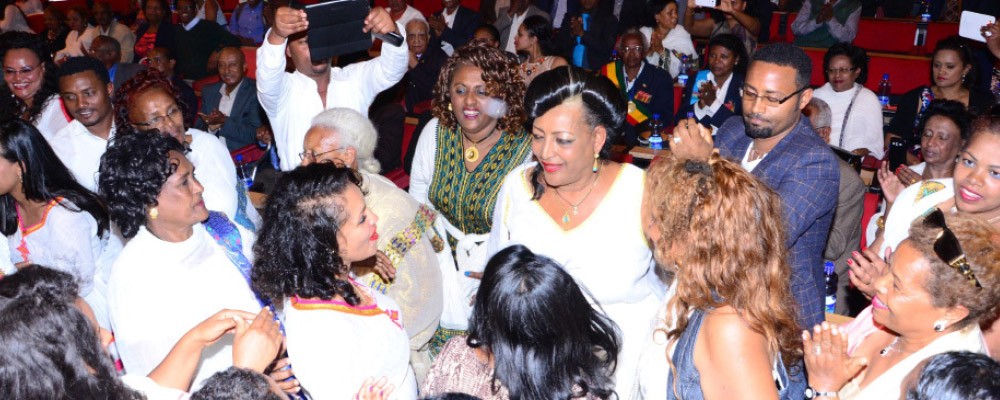
If you are familiar with the recent history of Ethiopia’s artistic community, then you have probably heard of the actress and dancer Alganesh Tariku. The renowned artist is regarded for her time as a dancer and stage performer at Ethiopia’s National Theatre and can now be seen on the TV show Wazema. Her decades-long career was recently honoured at the Ethiopian Cultural Centre. The Centre is one among a few institutions that are actively working to preserve the history of Ethiopia’s rich artistic tradition through commemorating prolific individuals. EBR’s Meseret Mamo attended the ceremony and sheds more light on the work being done to give credit to the country’s most respected artists.


Ethiopian Business Review | EBR is a first-class and high-quality monthly business magazine offering enlightenment to readers and a platform for partners.


2Q69+2MM, Jomo Kenyatta St, Addis Ababa

Tsehay Messay Building

Contact Us

+251 961 41 41 41