At-A-Crossroads-Forex-Induced-Material-Shortages-Threaten-Ethiopias-Flegleding-Manufacturing.jpg

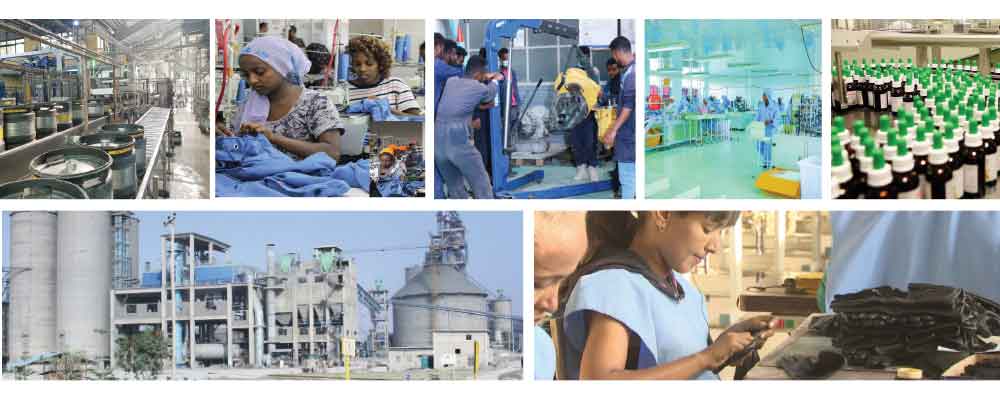
Every year, Ethiopia imports billions of dollars’ worth of goods, an input for the manufacturing sector. The country now stands at a crossroads with a history of underdeveloped manufacturing due to past regimes. The concept of import substitution, replacing imported products with locally produced goods, presents a significant opportunity for businesspeople and investors. However, the path to success encounters challenges, particularly raw material shortages and forex scarcity. EBR’s Eden Teshome delves into the implications of these hurdles on Ethiopia’s industrial production and explores potential strategies to overcome them.


Positive-Discrimination-is-Not-the-Answer.jpg

Tigist Kebede, the Co-Founder and Operations Director of Habeshaview Technology and Multimedia, is a visionary entrepreneur passionate about Arts and Culture. Under her leadership, Habeshaview has become a rapidly growing entertainment and multimedia business in Ethiopia. They offer an OTT (Over the Top) & IPTV (Internet Protocol Television) platforms that stream content from Pan-African and underrepresented creators. With a focus on promoting Ethiopian culture, Habeshaview provides a global IPTV streaming service, distributes Ethiopian films internationally, and operates a white-label OTT platform. Their recent success includes hosting the London Ethiopian Film Event and bringing acclaimed films to audiences worldwide. EBR’s Eden Teshome sat down with Tigist Kebede for this exclusive


Startup-Cities-Fuel-a-New-Economic-Era.jpg

Ethiopia is rapidly developing into a promising hub for startups and innovation. The recent agreement between the Ministry of Innovation and Technology and the Addis Ababa City Administration to establish astate-of-the-art startup city further fuels optimism for the future of the country’s startup ecosystem. While the success of the startup city is yet to be seen, the initiative carries significant promise for Ethiopia’s future. By addressing key challenges and fostering a vibrant ecosystem, the city has the potential to propel Ethiopian startups onto the global stage and contribute significantly to the country’s economic and social development. EBR’s Eden Teshome explores.


Everyone-Competes.jpg

The African Sourcing and Fashion Week is a vibrant and captivating event that showcases the rich tapestry of African fashion and design across the continent. This annual gathering brings together talented designers, artisans, and creatives, offering a platform to express their unique vision and talent. This event grows in scale and international attention each year, fostering meaningful connections within the fashion industry. One of the standout features of African Sourcing and Fashion Week is its commitment to celebrating and promoting sustainability and ethical practices in the industry. Many of the designers featured utilize locally sourced materials and employ traditional production techniques, ensuring minimal environmental impact. This emphasis on sustainability not only adds depth and meaning to the garments but positions Africa as a global leader in a responsible fashion.

The diversity of African fashion is another notable aspect, with each designer bringing their cultural influences and heritage. Vibrant Ankara prints, intricate beadwork, and other colours, patterns, and textures capture the essence of Africa’s rich cultural tapestry on the runway. Attendees can expect runway shows and workshops, panels, and networking, providing a platform to exchange ideas and collaborate – facilitating growth, innovation, and creativity within the African fashion scene. This year’s 9th African Sourcing Fashion Week has spotlighted African continental free trade, sustainability manufacturing, and AI’s role. EBR’s Eden Teshome sat down with the CEO of organizers Trade and Fairs Group, based in Germany and Kenya, Skander Negasi, for insights.


Investing-in-Nutrition-1.jpg

Tackling New Challenges, Breaking the Cycle of Poverty

Good nutrition is essential for everyone’s health and well-being. It is crucial for children, as malnutrition can lead to stunted growth, cognitive impairment, and reduced productivity in adulthood. Ethiopia has made significant progress in reducing malnutrition in recent years, but more work still needs to be done. Investing in nutrition is good for the economy. However, Ethiopia’s malnutrition problem has been exacerbated by conflict and climate shocks. These factors have led to food inflation and population displacement. Despite the growing challenges to the fight against malnutrition, the country still has the potential to become an exemplar state for malnutrition solutions in the region, writes EBR’s Eden Teshome. 


Arada-Building-1280x636.jpg

Addis Ababa’s Transformation Puts Heritage at Stake

Addis Ababa is undergoing a rapid transformation characterized by the demolition of heritage sites and reconstruction because of rapid urbanization. Unfortunately, this has come at a massive cost of erasing the city’s rich heritage. Heritage plays a vital role in defining a city, shaping its social fabric, preserving its history, and nurturing its cultural identity. Keeping the city’s urban heritage is often neglected or considered an inconvenience. The demolition of historic buildings and homes has sparked concerns among residents and preservationists alike. These structures hold immense architectural and historical value and serve as tangible connections to the past. The loss of these buildings deprives the city of its tangible heritage and diminishes its cultural character, writes EBR’s Eden Teshome. 


Fikiru-1280x683.jpg

Fikru Tsegaye Wordofa is a certified insurance and reinsurance professional with two decades of experience in the industry. Fikru has studied and completed three master’s degrees – business administration, human resources and organizational development, and journalism and communications. He also has two bachelor’s degrees, about a dozen certificates, and several high-level specialized trainings in finance, insurance, business and management. At the moment, he is pursuing a Ph.D.

Fikru is the executive officer of strategy and business development and secretary to the board of directors at the Ethiopian Reinsurance (Ethio-RE). He was an acting chief executive officer (A/CEO) of Ethio-Re between September 2020 to March 2021. He also worked as a business development and corporate affairs manager in Ethio-Re. Before joining Ethio-Re, he served as marketing and strategic management director, head of microinsurance, strategic management team leader, principal researcher, and principal customer care and underwriting and claims section supervisor at the state-owned Ethiopian Insurance Corporation (EIC). 

Fikru writes regularly for several magazines and Journals. He has contributed extensively to the world of insurance and reinsurance, and his publications appeared in various Business, insurance, and reinsurance Journals, magazines, and newspapers, including the Journal of African Insurance Organization (AIO), Organization of Eastern and Southern Africa Insurers (OESAI) and African reinsurance publications. 

Fikru is the recipient of various international and national awards and recognitions, including the 2020 Global “Emerging Professional in Takaful and Retakaful of the Year Award” at the African Interest-Free Banking and Takaful Awards, and the AIO Best Book Author, First Rank Award (2023) for his book entitled Islamic Insurance (Takaful) In Ethiopia. EBR has the privilege of discussing with Fikru the state of the insurance business in Ethiopia and how the worsening political instability, war, drought, accident, and COVID made life more uncertain than before and affected the insurance business in Ethiopia. 


New-fendika-1280x821.jpg

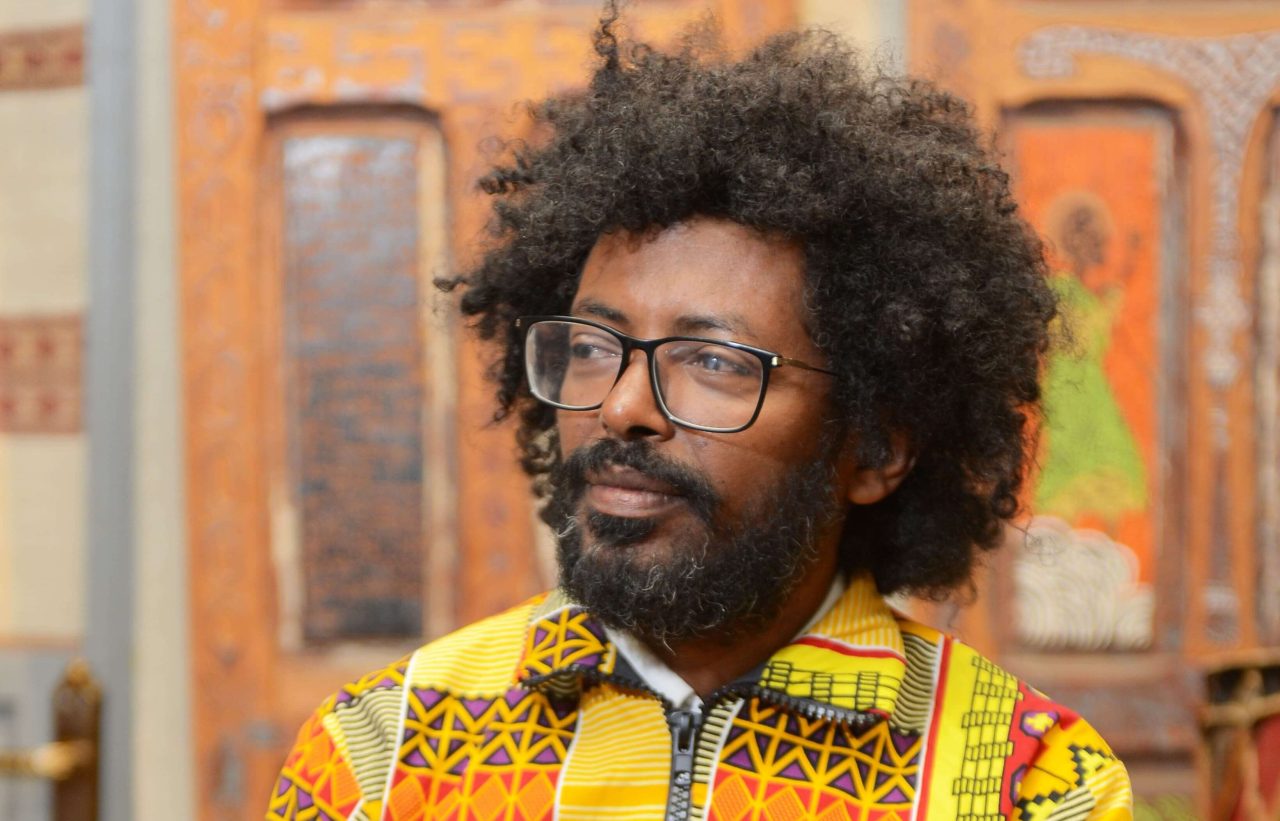
Melaku Belay, an Ethiopian dancer/choreographer, is the founding director of Fendika Cultural Center. At an early age, he immersed himself in the rich tapestry of regional dances and music. He honed his skills and developed a unique style of performance grounded in Ethiopia’s diverse dance traditions. With his mesmerizing mastery of Eskista, a traditional Ethiopian dance, Melaku has earned nicknames like the “walking earthquake” and the “King of Eskista.” 

In 2016, Melaku founded Fendika Cultural Center to create a premier cultural hub that celebrates artists from various disciplines and cultural backgrounds. Fendika has become a sanctuary for Ethiopian indigenous arts, particularly the Azmari music tradition. Melaku revolutionized the Azmari bet custom by being the first to pay Azmari musicians regular salaries, providing them with much-needed support. Melaku’s work at Fendika has brought global attention to Ethiopia’s indigenous arts. The centre has hosted Azmari performances, curated visual art exhibits, and facilitated monthly poetry readings and scholarly presentations. Melaku also leads two traditional performing groups, Fendika and Ethiocolor, showcasing the immense musical heritage of Ethiopia with creativity and innovation. Despite facing challenges, including the threat of government takeover and lack of support for indigenous art forms, Melaku remains dedicated to his vision. He tirelessly works to keep Fendika alive and thriving, believing in the power of arts to promote peace and healing. Eden Teshome sat down with the world-renowned Ethiopian dancer for an EBR exclusive. 


brics-logo.jpg

A Cost-Benefit Analysis

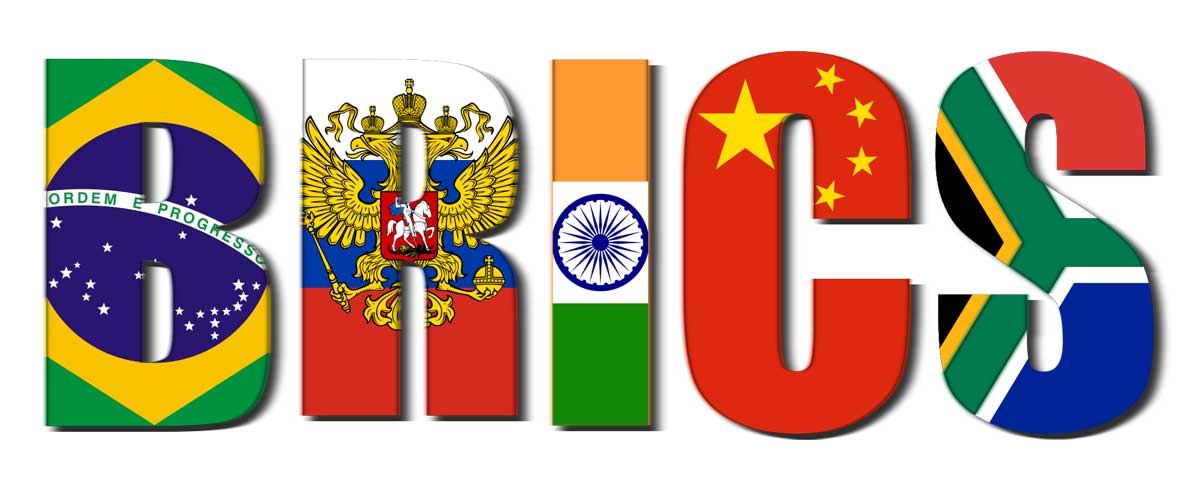
The recent announcement of Ethiopia’s accession to the BRICS alliance signifies a transformative milestone for the country and the broader African continent. As BRICS expands its ranks, its influence in the global economy also increases and offers more opportunities as an alternative source of development finance. This move is very beneficial to Ethiopia, which has been looking for alternative sources of finance. However, there are concerns that this move will bring as Western countries are wary of the growing influence of China and Russia, two of the major superpowers that are contending against America’s dominance of the current global order. EBR’s Eden Teshome highlights the potential benefits and implications of Ethiopia’s membership in BRICS.


Ethiopian Business Review | EBR is a first-class and high-quality monthly business magazine offering enlightenment to readers and a platform for partners.


2Q69+2MM, Jomo Kenyatta St, Addis Ababa

Tsehay Messay Building

Contact Us

+251 961 41 41 41