

South African Insurers Eye Ethiopia Entry as Digital Gap and Low Penetration Create ‘Huge Potential’
EBR_News May 14, 2026
A delegation of senior South African insurance executives visiting Oromia Insurance Company says Ethiopia’s insurance industry holds significant growth potential, particularly in digital insurance and underserved markets, as the country pushes ahead with sweeping sector reforms expected to open the industry to foreign investors and digital innovation.
With senior faculty members predicting that major South African insurers including Discovery and Santam will enter the Ethiopian market within the next five years.
The visit comes just weeks after Ethiopia circulated a draft insurance proclamation proposing the biggest overhaul of the sector in more than a decade. The draft law would allow foreign insurers to enter the Ethiopian market, introduce regulatory sandboxes for innovative insurance products, establish an independent insurance regulator, and create a legal framework for Takaful Islamic insurance operations.
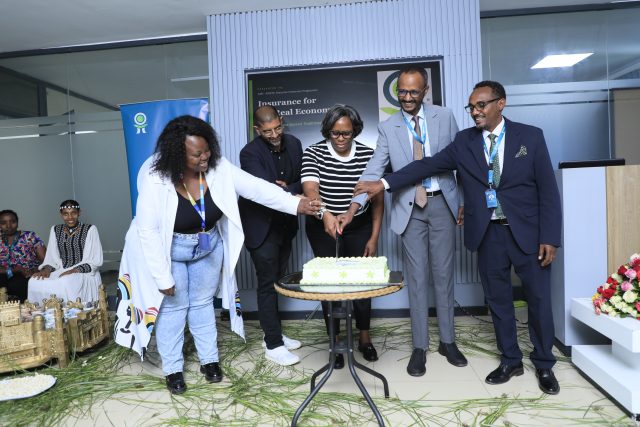
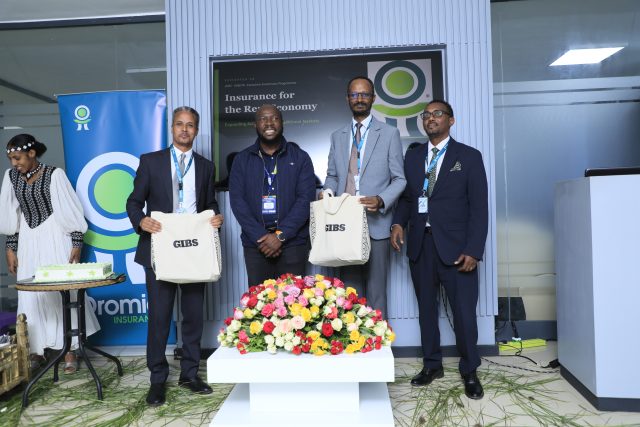
The delegation, composed of around 30 executives from major South African financial institutions including Discovery, Old Mutual, Santam, Absa Group and Sanlam, visited Ethiopia as part of an executive leadership immersion program organized by the Gordon Institute of Business Science and South Africa’s Insurance Sector Education and Training Authority (INSETA).
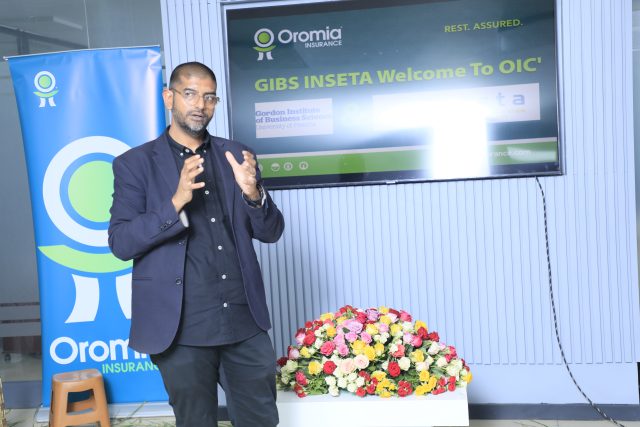
During a discussion with Ethiopian Business Review, Professor Manoj Chiba, Senior Faculty and MBA Director at GIBS, described Ethiopia as one of Africa’s most promising future growth markets.
“Ethiopia is a big growth market for Africa,” Manoj said. “With more than 130 million people, improving infrastructure and its strategic location, Ethiopia could become one of the continent’s key economic centers in the future.”
However, he noted that the country’s insurance penetration remains surprisingly low compared to the size of its population and economic potential.
“What surprised me most is that the insurance market is still very young and growing slowly,” he said. “I would have expected much higher insurance penetration given the size of the population.” Manoj also pointed to Ethiopia’s limited adoption of digital insurance services as a major gap and future investment opportunity.
“There’s still a lot of paper-based processing and branch dependency,” he explained. “Digital insurance creates opportunities to reach customers at lower costs and provide access through mobile phones and internet platforms.” He added that South African insurers and reinsurers could increasingly look toward Ethiopia as the market liberalizes further.
Executives from Oromia Insurance also argued that international firms have shown growing interest in learning how Ethiopian insurers engage underserved communities and low-income customers.
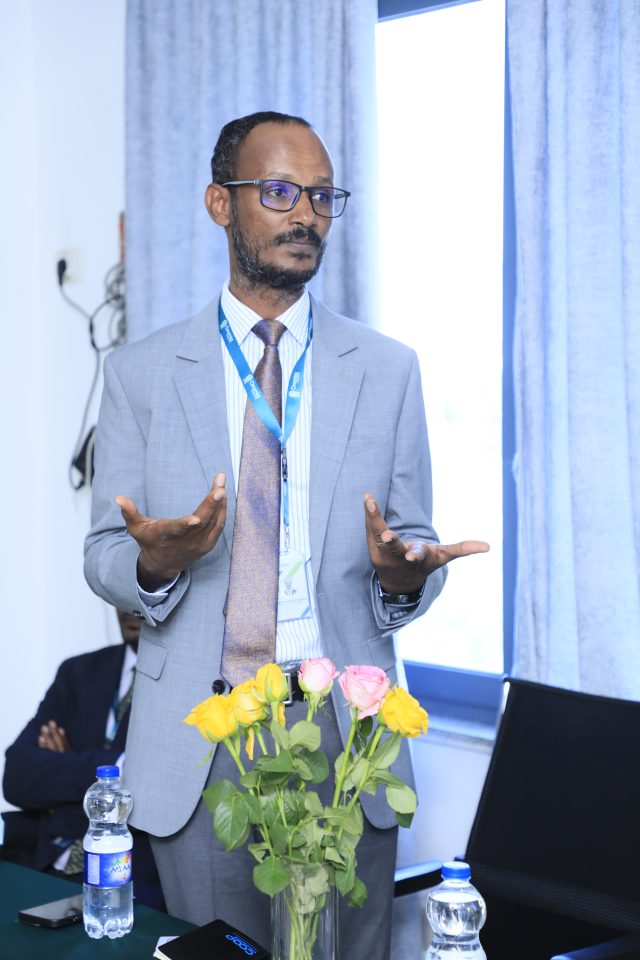
Oromia Insurance CEO Tegistu Shiferaw acknowledged that household incomes remain at subsistence level, limiting demand for insurance. “Even those who own cars and buildings have very little interest in insurance,” he said. “For insurance to grow, the economy must develop significantly and individual incomes must increase.”
He added that the company has a strategic plan to become the leading Ethiopian insurer by 2030, despite challenges in work culture and digital infrastructure.

Daniel Negassa, Strategy and Change Management Director at Oromia Insurance, noted that human resource capacity remains the biggest bottleneck. South Africa holds 70 percent of Africa’s total insurance premium, which is close to $70 billion. “Exchanging experiences with professionals from different countries provides an opportunity to solve our biggest problem,” he said.

Samuel Tesfa, Chief Resource Officer, said the South African visitors were particularly interested in how Oromia Insurance engages underserved communities. “No matter how developed they are, they still have unanswered questions,” he noted. “There are many things they want to learn from us.”
Chiba confirmed that the Ethiopian government’s opening of the financial sector to foreign investment, combined with rapid digitalisation, will attract reinsurers such as Swiss Re and direct insurers. “You will see big insurers like Discovery, Santam come into this market within the next five years,” he predicted.
The draft insurance law currently under consultation would also introduce “inclusive insurer” licenses specifically designed to expand insurance access among low-income and informal market segments.
Betegbar Yaregal
 Betegbar Yaregal
 EBR
EBR