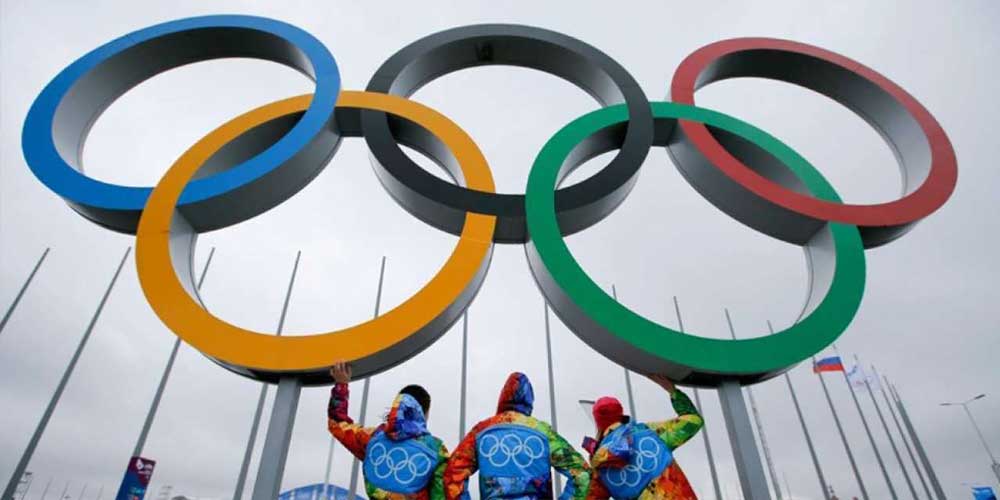
Will-History-Repeat-Itself-In-Tokyo.jpg

Abebe Bikila is a household name in Japan. Ethiopians have been preparing heavily to maintain Abebe’s legacy sixty years on. Of course, Ethiopians’ winning spirit is not a rare commodity at any athletics tournament. Yet, the delaying of the Tokyo Olympics by a year owing to COVID-19 pressures, financial strains, as well as personalized bickering and conflict amongst sport officials have affected preparations for the upcoming tournament and given discomfort to athletes. EBR’s Abiy Wendifraw delves in.
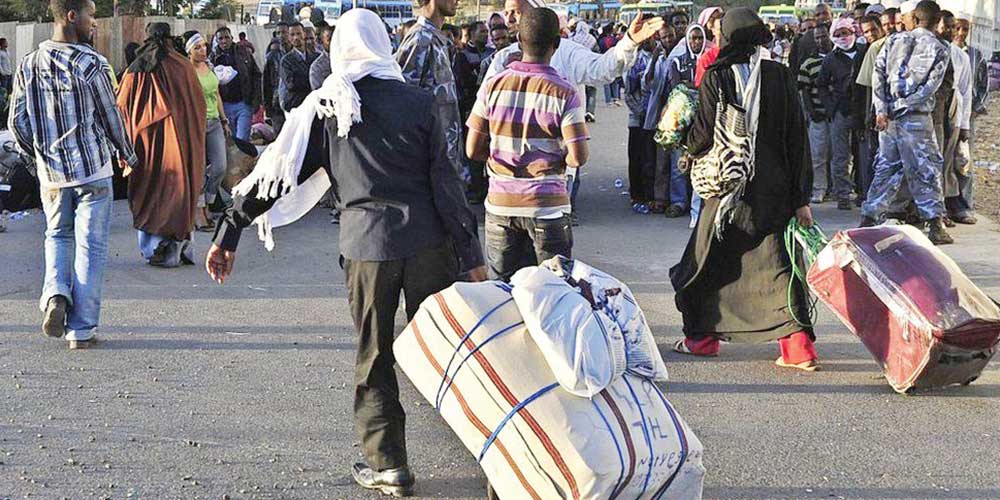

BLOOD-DINARS.jpg

One of the most highly overlooked, but increasingly concerning, social crisis is the mental illness of Ethiopian migrants. Especially returnees from Gulf nations fall victim to the illness. After enduring aggressive and abusive employers in these oil-rich countries, the illegality and lower educational preparations of the young migrants is taking a toll on their mental health. Ensuing deportation or fleeing, returnees are too embarrassed to return emptyhanded to their families, further adding to their mental woes.
Despite generating close to a billion dollars in remittances, the Ethiopian government is unable to provide adequate treatment for returnees as well as secure their safe and fair employment status. EBR’s Samira Suleiman delves into the ordeal Ethiopian migrants face to win a dinar in a foreign, hostile culture as well as upon their return to unwelcoming hands.


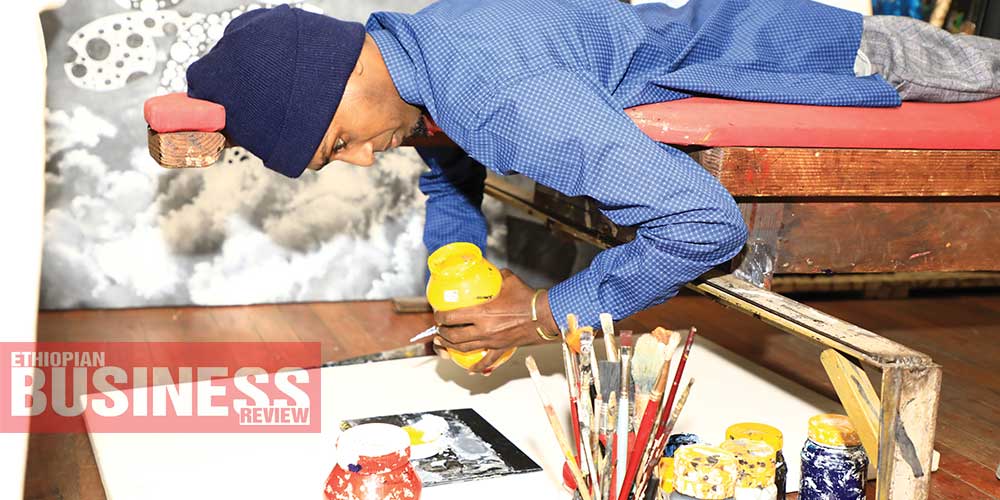
Beyond-the-Barriers.jpg

Pursuing one’s artistic call is a luxury even for healthy people with decent jobs, let alone for those with disabilities. That is why all great art communities flourish when civilizations peak and citizens have secured their basic needs. When these basic needs are fulfilled, human beings tend to pursue higher values in life.
However, there are people with disabilities defying this fact. Not only are they pursuing art, but they are also using it to heal others. EBR’s Lidya Yohannes has explored the growing power of art on healing people with disabilities and their successes in the face of challenges and obstacles.


The Ethiopian economy has been suffering from external debt distress for the past few years as has been observed in many developing countries. In the poorest countries, the debt distress arrived before COVID-19 as confirmed by the World Bank International Debt Statistics of 2021. In the wake of the COVID-19 outbreak, many countries demanded debt restructuring, motivating the World Bank and International Monetary Fund (IMF) to call for the Debt Service Suspension Initiative (DSSI), endorsed in April 2020. This initiative has benefited many countries in sub-Sahara Africa including Ethiopia, Kenya, Angola, Nigeria, Namibia, Chad, and Ghana, as they were eligible to borrow from the International Development Association (IDA).


The need to take necessary precautions to avoid regret.

Since the unveiling of the administration’s Homegrown Economic Reform Plan and restart of the accession process with the World Trade Organization (WTO), talks of economic liberalization have been heating up in Ethiopia. Indeed, the liberalization process of the telecom sector is well underway and Prime Minister Abiy Ahmed (PhD) himself has indicated that the hitherto closed financial sector will be next in line. Speeding up of WTO accession is one of the plans in the plan. The government’s aspirations of reforming the economy and WTO accession may imply that the government will inevitably open up the financial sector in the near future, with the ongoing deregulations set as good launching pads.


Post-covid-Africa-Needs-60-million-Jobs-Annually-2.jpg

Africa needs to create 60 million jobs in post covid19, annually, in a bid to clear the backlogs, according to Vera Songwe, Executive Secretary of the Economic Commission for Africa (ECA). She stressed on Africa’s recovery during the ministerial meeting of Lamu Port-South Sudan-Ethiopia-Transport (LAPSSET), in Addis Ababa, where the three states signed agreement to form a steering committee.


Frontier technologies are being used to provide services via digital platforms that have spurred the creation of a ‘gig economy’. Some of this work is locally based, but there is also ‘cloud work’ that can be performed anywhere via the Internet. Using, adopting, and adapting frontier technologies requires sufficient ICT infrastructure, especially since AI, IoT, big data, and blockchain are internet-based technologies.


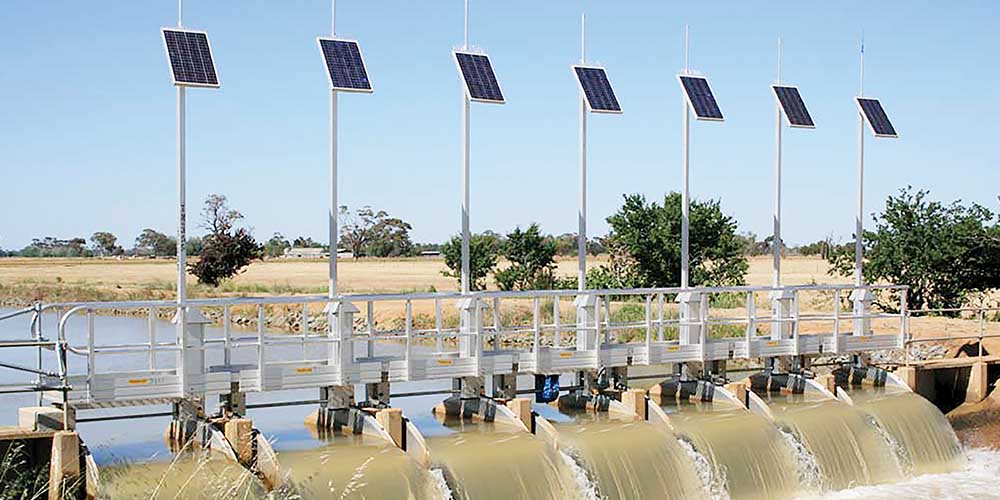
Ethiopias-Thorny-Quest-for-Public-Investment-Finance-.jpg

Ethiopia’s sources of finance are thinning, calling into question the sustainability of the large government-financed GDP expansion of the last fifteen years. The recent decision of the US to impose economic sanctions on Ethiopia has only worsened the situation of Ethiopia’s external financial sources, already crippled with high debts.

In a bid to maintain the 10Pct average annual growth, government needs to invest 37Pct of GDP—very difficult to fulfill from only tax and FDIs weakened by conflict and COVID-19. Even the highly expected telecom license sale did not garner expected amounts.

New investments are critical to maintain the pace of growth and fulfill the demands of a fast-growing population and fend off soaring inflation and unemployment. Finalizing the megaprojects of the past decade needs further investment and starting new ones seams dreamy. EBR’s Ashenafi Endale navigates alternative venues left for development financing.


Brook-Taye-PhD.jpg

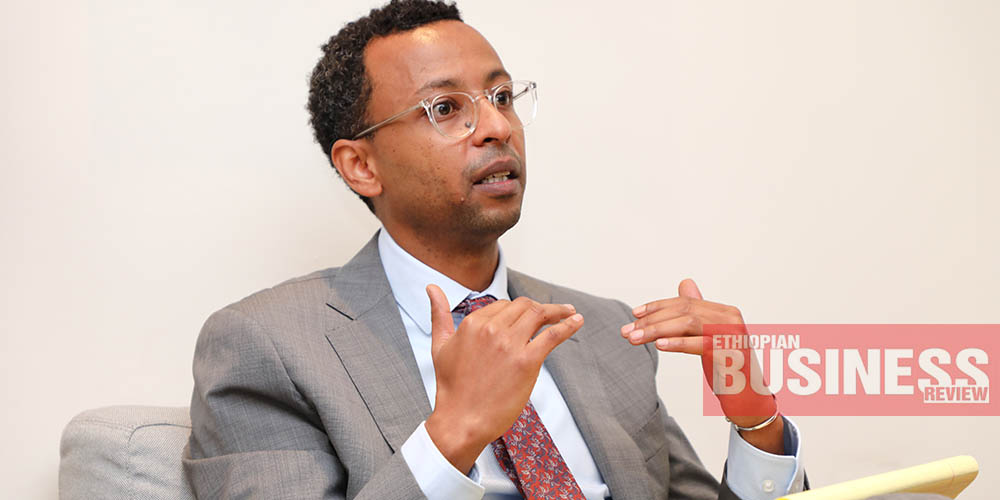
Brook Taye (PhD), Senior Economic Advisor to the Minister of Finance

Brook Taye (PhD) is part of the pragmatist team serving Ethiopia’s swift economic reform and privatization process with great zeal. After concluding his education in comparative law and economics and high growth firms in three European universities, he worked as a regulatory analyst for an equity firm in Miami and other companies.
He argues that the telecom privatization which garnered a lot of interest only ended up with two bidders mainly because they failed to fulfil the requirements. He in fact claims that only four of the 12 interested bidders fulfilled requirements. He also argues the shift from state-led growth to a private-led one is not the result of Western pressure to liberalize the economy but a dire necessity to revamp and create a sound economy. The following are excerpts from EBR’s time with him.


Ethiopian Business Review | EBR is a first-class and high-quality monthly business magazine offering enlightenment to readers and a platform for partners.


2Q69+2MM, Jomo Kenyatta St, Addis Ababa

Tsehay Messay Building

Contact Us

+251 961 41 41 41