Hoping-for-a-Better-Future.jpg

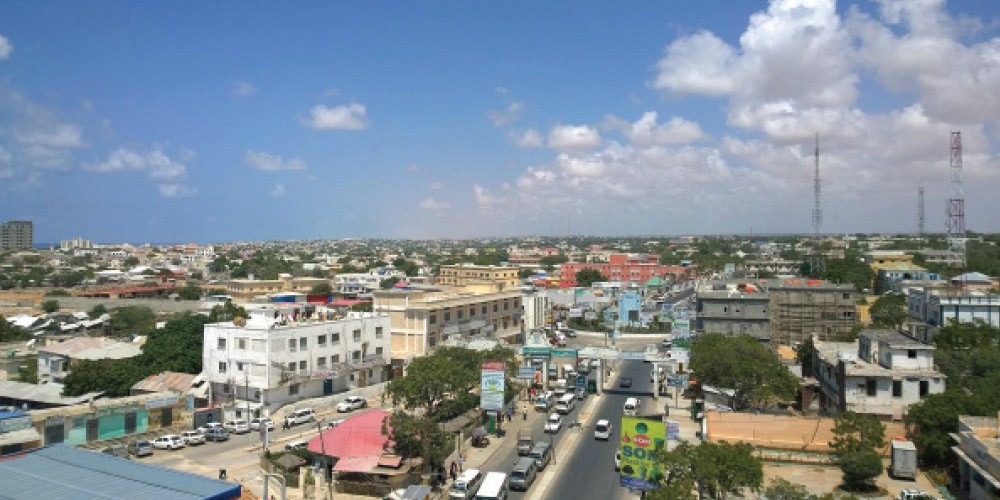
Somaliland, while not recognised as an independent nation, recently celebrated its independence day. The country is looking to not only gain official recognition from the international community but also hopes to become a regional economic player by encouraging trade through its port in Berbera. In fact, the United Arab Emirates has agreed to help develop the port, which may encourage landlocked countries, including Ethiopia, to do business there. As a special contribution to EBR, Elias Meseret visited Hargeisa to speak with government officials about their plans to bring recognition and development to Somaliland’s economy.


Despite-Impressive-Growth.jpg

Mekelle is Ethiopia’s second largest city and is the seat of the Tigray Regional State. Over the last two decades, the city has witnessed an impressive amount of investment, especially in the service and construction sectors, which has brought in ETB5.7 and ETB6.6 billion in registered capital, respectively. In this way, the town is perhaps the most promising location for business outside of the nation’s capital. Still, local investors say that they face issues like a lack of finance and a dearth of quality raw materials, which hinder their abilities to operate their companies at full capacity. EBR’s Ashenafi Endale visited Mekelle and spoke with local business owners and regional government officials to better understand the issues plaguing investors and what’s being done to mitigate these problems.


Will-Lease-Financing.jpg

Leasing – an agreement by which one party conveys an asset to another for a specific amount of time in exchange for periodic payments – may help small manufacturing enterprises better access machineries and other goods. In order to finance leasing contracts, many micro and small enterprises (MSEs) have turned to newly formed companies that provide funding options to these institutions. According to the International Finance Corporation (IFC), lease financing benefits not only MSEs, but can strengthen the overall economy as well. EBR’s Ashenafi Endale spoke with key individuals in the financial and manufacturing sector to learn more about the issue and its promises in boosting productivity.


Will-‘New’-Value-Addition-.jpg

Value addition refers to a process whereby manufacturers make a product more useful or sophisticated for consumers. These goods earn more money in the market – an appealing prospect for developing countries looking to increase revenue and develop their economies. A key factor in assessing value addition is the manufacturing data itself and the formula used to calculate it. In Ethiopia, however, a new metric has been proposed to determine value addition among industries. This has many manufacturers up in arms over the decision. The government, however, thinks it will be useful and ultimately quell corruption in the private sector. EBR’s Ashenafi Endale spoke with key stakeholders to learn more about the issue’s complexity and the on-going debate surrounding it.


Fancy-Tastes.jpg

High-end restaurants serve foods in fancy, often luxurious dining areas. The ambiance and quality of the food, service and silverware mean that they charge higher prices. As the spending power of Ethiopians increases, so does their desire to eat quality foods. Such restaurants tend to do well even during times of recession. Despite the promising environment for high-end restaurants, managers say they face hurdles, including difficulties importing goods. EBR’s Fasika Tadesse spoke with restaurateurs to learn more about what is likely to be a growing trend in Ethiopia’s service sector.


Powerful-Solution.jpg

Government Hopes Diversified ‘Green’ Energy Will Mitigate Outages

Despite the government’s plans to improve the performance of the manufacturing sector, many factories still face considerable power outages that hinder their operations. Power outages aren’t new in Ethiopia, but the current drought has further hampered the country’s attempts to improve the electricity shortage facing factories that are so crucial to building a manufacturing-based economy. To that end, there are plans to better harness Ethiopia’s potential to produce hydroelectric, solar, and geothermal power, among others. The hope is that the country will produce 17,347MW of power, up from its current capacity of slightly over 2,000MW, in five years. Yet some experts say the government has a long way to go before it can reach its full potential and are sceptical if it can meet the demands of the growing manufacturing sector. EBR’s Ashenafi Endale spoke with manufacturers and government representatives to understand the efforts being made to reduce power outages.


Logistical-Hurdles.jpg

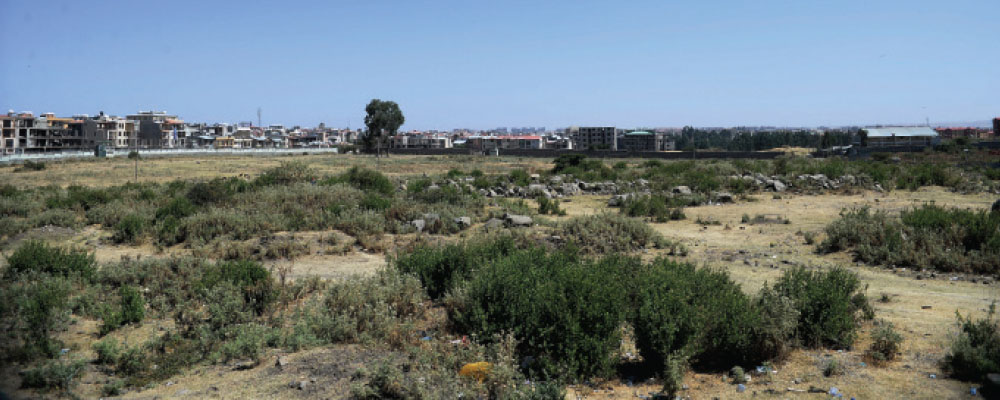
Addis Ababa, while well know for its numerous construction projects, is also home to many plots that remain undeveloped, despite their intended use for construction. This comes at a time when there’s a massive land grab in the city, due to its scarcity and importance for commercial purposes, especially in prime locations. To help mitigate the problem, the city’s government is working to regulate the management of these plots to ensure they’re being developed in a timely manner. However, as EBR’s Fasika Tadesse reports, that task has proven to be difficult in the face of the logistical and legal hurdles that confront investors.


Survival-of-the-Fittest.jpg

Will Capital Regulation Weed out Ethiopia’s Young Banks?

In the business world, a merger refers to the joining of two companies into one entity. The concept has made headlines recently because the two state-owned banks – the Commercial Bank of Ethiopia and the Construction and Business Bank – ‘merged’ in December 2015. Advocates of mergers say they provide a number of benefits to the financial sector, not least of which is weeding out young banks, thereby strengthening the overall sector. Others, however, think that the concept may be too cumbersome for Ethiopia’s nascent private banking industry, which they say needs more time to mature. EBR’s Fasika Tadesse spoke with banking leaders and experts to get a better grasp of the concept and its potential role in Ethiopia’s fledging but promising private banking sector.


Market-or-Investment.jpg

Why do foreign trade missions target Ethiopia?

Business investment forums provide an opportunity for foreign investors to visit Ethiopia in order to get a better sense of the potential economic opportunities in the country. Since the 2011/12 fiscal year alone, the country has hosted hundreds of delegations from countries like China, Turkey and India. Despite the promise of these forums in bringing investments to Ethiopia’s fledgling manufacturing sector, an ulterior motive exists for some companies: to use the events merely as an opportunity to market their goods. Still, the government thinks these forums prove fruitful, as even the marketing of goods can potentially lead to investment relations. EBR’s Fasika Tadesse spoke to government representatives and foreign investors to learn more about these forums and whether they are achieving their intended goals.


Corporate-Social-Responsibility.jpg

Altruism or a Marketing Scheme in Disguise?

Corporate social responsibility (CSR) refers to specific altruistic acts in which companies participate in order to support a particular organisation or cause. Some say this activity is important in a country like Ethiopia, where laws state that local non-governmental organisations (NGOs) must receive the majority of their funding from local sources to participate in ‘right based development activities’. Others however, are sceptical, and caution that CSR may just be another way for companies to market their good deeds in order to attract more customers and make profits. EBR’s Meseret Mamo spoke with stakeholders to learn more about the nuances of the issue and offers this report.


Ethiopian Business Review | EBR is a first-class and high-quality monthly business magazine offering enlightenment to readers and a platform for partners.


2Q69+2MM, Jomo Kenyatta St, Addis Ababa

Tsehay Messay Building

Contact Us

+251 961 41 41 41