banks-in-ethiopia.jpg

Rising Lease Costs, Regulations Push Private Banks to Construct Acquire Buildings

Though Ethiopia’s private banking sector is still young, competition within the industry is getting stiffer – with companies vying to increase performance vis-à-vis increased capital regulation. This, in tandem with National Bank of Ethiopia (NBE) rules that require annual branch expansion, creates an environment in which financial institutions are scrambling to acquire or construct buildings in prime locations to house their headquarters and ever-growing number of branches. Bank executives say this is good for business, since the cost of rent in major cities is quickly skyrocketing. It also presents the option to lease spare office space and generate revenue. Others, however, think that the rush to buy and develop properties diverts the banks from their primary function as financial institutions, quelling growth in the nascent private banking sector. EBR’s Fasika Tadesse spoke with bank executives and economists to gain insight into the increasing drive for banks to obtain properties and if that is good for the country.


Local-ICT-Companies.jpg

Be it in business, social or politics, ICT plays a significant role. That’s why several nations are putting in place policies to guide its development. Countries such as India have benefited from a prudent ICT policy. In fact, the Asian country has earned a name for itself as a global power of ICT earning approximately 67Pct of the USD124-130 billion global market for ICT in 2015.
Though much remains to be seen, Ethiopia has been trying to emulate the success of India. It established an ICT park at a cost of ETB2 billion and expanded technology education in several universities.
However, local ICT companies couldn’t function successfully due to challenges related to access to finance, lack of supportive policy framework and users, such as financial institutions, lower interest to buy their software. EBR’s Ashenafi Endale spoke with company CEO’s and consulted government policies to understand what the nation is doing to help local ICT companies grow.


Spread-the-Growth.jpg

Ethiopia Needs to Develop Alternate Urban Growth Centres

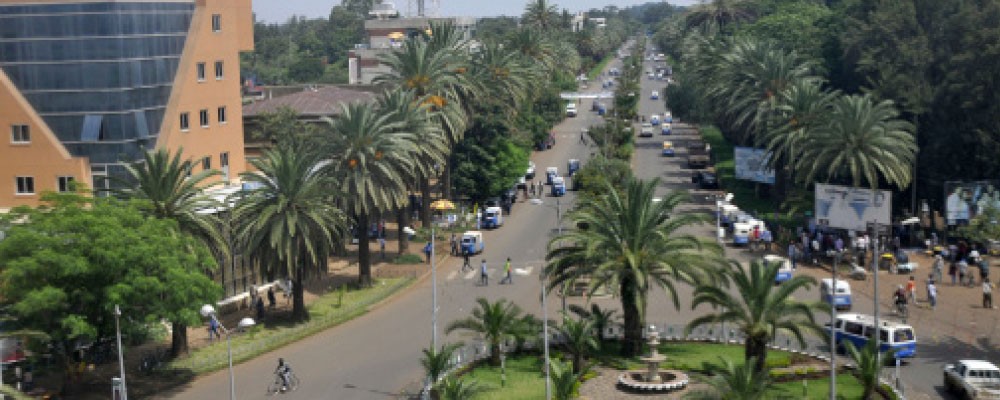
Addis Ababa is Ethiopia’s most populous city and enjoys the status of being its economic, political and cultural capital. This reality is known as urban primacy – the concept of one urban area dominating the development and economic activities of a particular country. This imbalance creates problems for urban residents, especially in Addis Ababa. This is because the primacy of the city creates an increase in urban migration, since people from other parts of the country flock to the most active urban centres in search of economic opportunities. Development scholars note that this exacerbates a city’s resources and adversely affects quality of life. They argue that more urban areas need to develop in order to equally distribute the benefits of economic development – such as job creation and political influence – throughout the country. EBR’s Samson Hailu spoke with economists and government representatives to learn more about what’s being done to create more urban centres in Ethiopia.


Cloud-on-the-Horizon.jpg

Machinery Shortages Hinder Ethiopia’s Burgeoning Construction

Despite the promising growth prospects of Ethiopia’s construction sector, a lack of construction machinery is proving to be detrimental to contractors-public and private – who rely on them to complete their projects. In fact, a study conducted by the federal government found that of the total 2,705 machineries needed for housing projects alone in the 2014/15 fiscal year, only 41Pct were available. It is a dynamic similar to other construction projects – and is an issue stakeholder are eager to fix. EBR’s Ashenafi Endale spoke with contractors, importers and government representatives to learn about the on-going shortage of construction machinery and what, if anything, can be done to address the shortfall.


Can-Food-Fortification.jpg

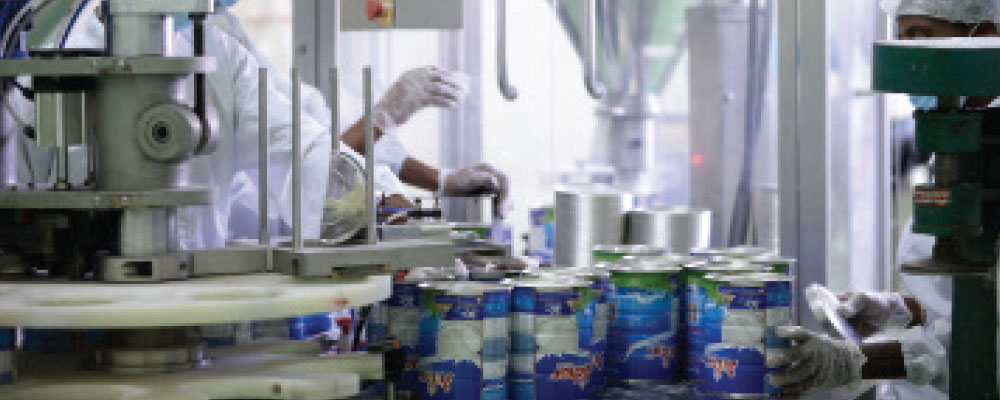
Food fortification – the process of adding additional nutrients to certain food products to increase their health benefit – has been common in developed countries for decades. This practice, however, is relatively new to Ethiopia – and the government is taking measures to ensure that their food fortification programme succeeds. The country hopes to fortify key food items like flour, milk and edible oils. Advocates of fortification say that it has great potential for combatting malnutrition– a condition that affects nearly 3 million people throughout the country. Others, however, note that Ethiopia has a long way to go in terms of developing the necessary infrastructure to manage the lofty goals it has set for itself. EBR’s Fasika Tadesse spoke with industry insiders to learn more about the nuances of food fortification and the government’s plans to help bring its vision to fruition.


Guest-Houses-Popularity.jpg

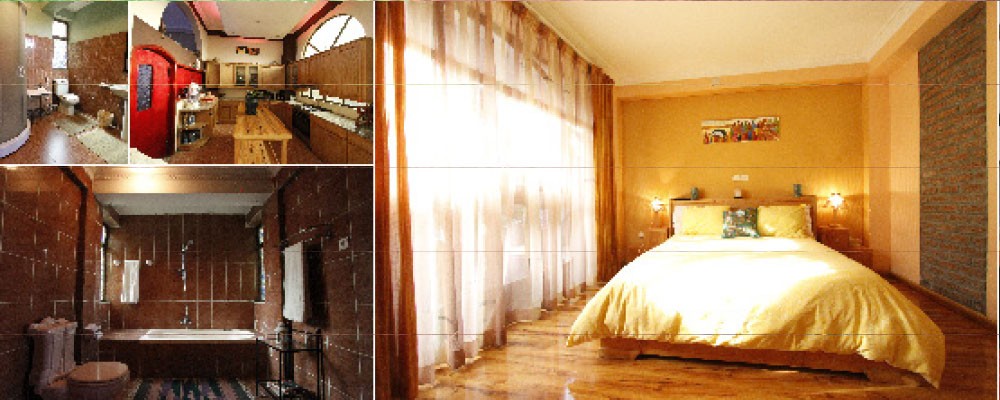
Tourism in Ethiopia is on the rise. Last fiscal year alone, nearly one million tourists visited the country – and the government plans to have that figure increase to 2.5 million by 2020. This growth, however, may not necessarily prove beneficial for Ethiopia’s hotel industry, as an increasing number of tourists prefer to stay in guest houses as opposed to hotels. According to one study, Ethiopia’s hotels average a 60Pct occupancy rate, despite the growth in the number of tourists each year. Many travellers note that their preference for guest houses is rooted in the fact that they offer a cheaper, more intimate alternative to star-rated hotels. Hoteliers in the country charge that these businesses need to be better regulated and managed. Consultants, however, say hotels need to reduce their costs if they don’t want to continually lose customers. EBR’s Fasika Tadesse spoke with tourists, government officials, hoteliers and guest house owners to learn more about the nuances of the debate.


hotel-rooms.jpg

Is the high cost of hotel rooms in Addis Justifiable?

According to a recently released report, Addis Ababa is the most expensive African city in which to book a stay in a quality hotel. This finding has generated a debate among hoteliers in the city – about the supply and demand for quality hotels. Some say that the country’s hotel industry is still growing and that its best years are yet to come. Others, however, say that more needs to be done to improve the quality and standards of promising hotels in the country. EBR’s Fasika Tadesse spoke with industry insiders to learn more about the on-going debate.


carbon-trade.jpg

In recent years, the term ‘green economy’ – economic activity that is environmentally conscious – has generated buzz among policy makers. For sub-Saharan African countries like Ethiopia, the potential of developing their economies in an environmentally friendly manner is especially pertinent. This is because millions in the region rely on agriculture; a sector recurrently affected by climate change.


Local-Manufacturers.jpg

Struggle to Penetrate the Burgeoning Liquor Market

Liquor consumption is on the rise in Ethiopia. According to data obtained from the Central Statistical Agency (CSA), imports of hard liquors reached 4.2 million kilograms in 2014 – that figure is way up from 1.6 million kilograms in 2010. In an attempt to capitalise on this growth and seize the buying power of consumers, local liquor manufacturers are becoming common in the country. However, many manufacturers complain that they are facing difficulties in getting the attention of local consumers. Customers, meanwhile, argue that some local liquor brands are often more expensive than imported brands. EBR’s Fasika Tadesse explored the issue further and offers this report.


Bahir-Dar.jpg

A city unlocking its tourism potential

Tourism in Bahir Dar is on the rise. This is, in part, due to the natural beauty of the city and its cultural and historical treasures. As a result, the tourist flow and revenue generated has been increasing. In the past five years alone, the number of tourists has risen more than fourfold – from 37,166 in the 2009/10 fiscal year to 149,266 in the 2014/15 fiscal year. The jump has been good for the city, as it collected ETB332.8 million in tourism revenue in the just-ended fiscal year. Five years ago, the sector generated only ETB55.85million. The growing trend both in the number of tourists and revenue also means that businesses are flocking to Bahir Dar, to seize the city’s burgeoning reputation as a site of national sporting events and international conferences. EBR’s Fasika Tadesse visited Bahir Dar to learn more about the ascent of its tourism industry and about the hurdles the city has to overcome before it realises its full potential.


Ethiopian Business Review | EBR is a first-class and high-quality monthly business magazine offering enlightenment to readers and a platform for partners.


2Q69+2MM, Jomo Kenyatta St, Addis Ababa

Tsehay Messay Building

Contact Us

+251 961 41 41 41