ertria_focus_2.jpg

Asmara Keren And Massawa Through Ethiopian Eyes

Although optimism about the future of Eritrea was high in the 1990s, Eritrea now exists in isolation; the lives of ordinary Eritreans is tough and many cities remain underdeveloped. In fact, Eritreans now make up a significant portion of those migrating to Europe on dangerous crossings through Libya. EBR’s Samson Berhane, who travelled to Asmara, Keren and Massawa explores the lives of Eritrean residing in these cities.


Unraveling.jpg

Nation Continues to lose billions to raw material imports

In recent years, domestic sourcing, a procurement strategy adopted by companies to purchase their inputs, is gaining momentum due to the fact that localisation brings cost-savings across the supply chain, especially in light of climbing costs in traditionally low-cost regions. However, although many multinational and local companies are investing in the country, Ethiopia lags behind in this regard. Even though the lack of raw materials on the local market has forced companies to lean towards imports, the scarcity of foreign currency is putting extra pressure on their survival. EBR’s Ashenafi Endale investigates the difficulty faced by manufacturers due to low level of raw materials sourcing from domestic suppliers in Ethiopia.


feature_64.jpg

If anything has cast a pall over the Ethiopian economy, it is the foreign currency shortage, which reached historic lows just three months ago. This has prompted businesses to look for alternative means to alleviate the problem, such as transacting using diaspora accounts. The accounts are offered to non-residential Ethiopians, as well as Ethiopian-born foreign nationals who have been working and living abroad for more than a year. This has opened a window of opportunity for legal as well as illegible account holders to access foreign currency without waiting for the approval of letters of credit. EBR’s Samson Berhane reports.


Free-Trade.jpg

Is it the Magic Bullet for Africa’s Industrialization?

The African Continental Free Trade Area (ACFTA) was signed by 44 African countries, including Ethiopia, in May 2018, and will cover a market of 1.2 billion people and a gross domestic product of USD2.5 trillion once it is implemented. In terms of numbers of participating countries, ACFTA will be the world’s largest free trade area since the formation of the World Trade Organization. The creation of a free trade area is expected to boost the current intra-Africa trade, which stood at 13Pct. Although officials stress that it will be a beneficial for Ethiopian goods to penetrate other African markets, many are concerned over the competitiveness of the private sector in the local market, let alone outside the country. EBR’s Ashenafi Endale reports.


Urban-Safety.jpg

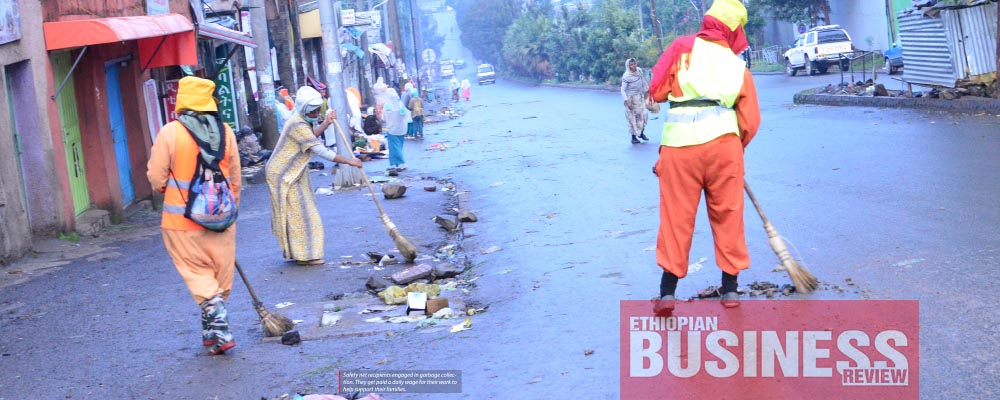
For a long time, rural poverty has been a big concern in Ethiopia. Compared to rural standards, the urban population, which was estimated at over 20 million last year, might live in better conditions. But, recently, poverty among the urban population reached a point where it can be considered a crisis. Due to this, the World Bank, in partnership with the Ethiopian government, implemented the first Urban Productive Safety Net Program last year, at a cost of USD450 million, to reduce urban poverty. EBR’s Samson Berhane evaluates the success of the program.


Little-Room.jpg

Why Converting Great Idea into Reality is Difficult for entrepreneurs in Ethiopia

Entrepreneurship is the process of designing, launching and running a new business, which is often initially a small one. The experiences of many successful countries reveal that when entrepreneurs create new businesses, they, intensify competition, and even increase productivity through technological change. This high level of entrepreneurship, in turn, translates directly into high levels of economic growth. Despite this fact, the level of entrepreneurship remains insignificant in Ethiopia. EBR’s Ashenafi Endale explores why it remains undeveloped in Ethiopia.


New-Laboratory.jpg

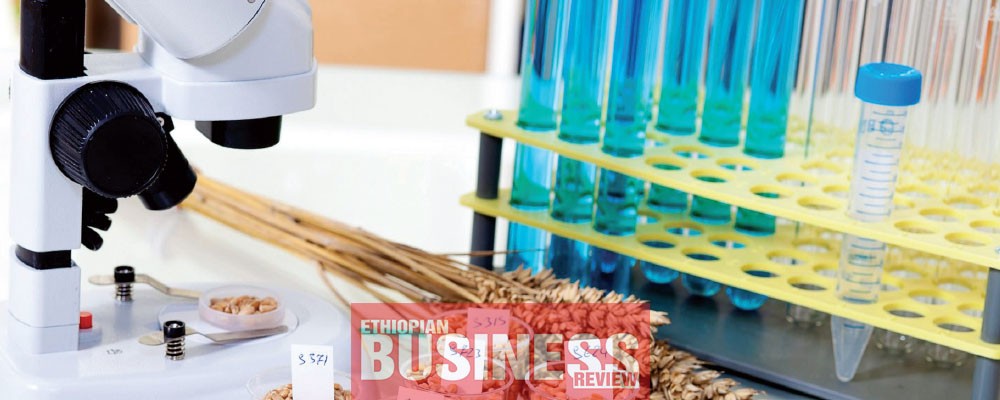
Ever since the Food, Medicines & Healthcare Administration and Control started implementing a new rule that requires the inspection of 18 food items, such as pasta, noodles and edible oil, imported into the country, businesses are crying foul over the surge in laboratory cost. The new measures, which are said to be part of the Authority’s five-year plan, forces importers to wait weeks in order to get test results, as well as raising the cost of laboratory tests. For a single 20-foot container, the cost of testing has increased by an average of 14pct, reaching as high as 100Pct, depending on the nature and type of imported food items. This has discouraged many importers and supermarket owners engaged in the wholesaling and retailing of food products. EBR’s Samson Berhane spoke to retailers, importers and government officials to explore the issue.


banking_61.jpg

Companies can use all the five promotion mixes: sales promotion, advertising, personal selling, public relation and direct marketing. In recent years, commercial banks in Ethiopia have been using sales promotions in the form of prize linked saving and remittance lottery programmes to reach out to customers.Although the strategy appears to be effective for some banks, its impact in helping commercial banks unleash their full potential is debatable. EBR’s Samson Berhane reports.


infilation_60.jpg

What Goes Up Doesn’t Always Come Down

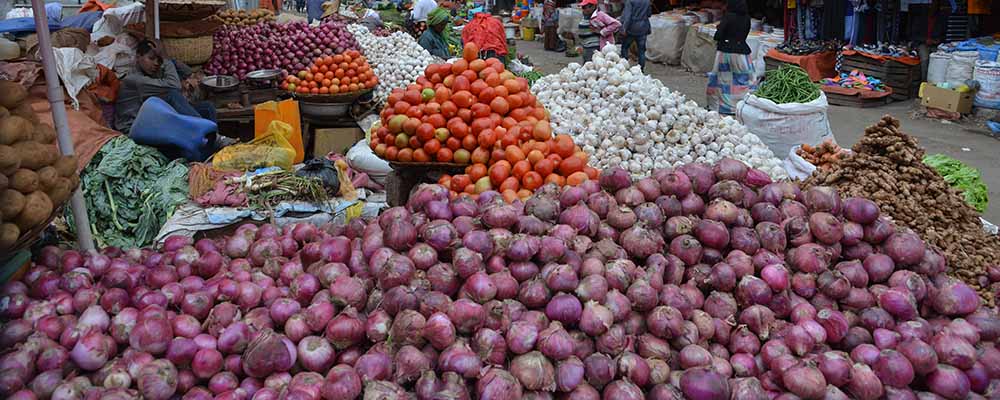
Since August 2017, the general year-on-year inflation has ballooned, exacerbated by a devaluation that came into the picture last October. In similar manner, food inflation has been severe and reached 19.9 Pct last month. The rapid rise of food price, on the other hand, highly affects urban wage earners living on limited and fixed incomes. EBR’s Samson Berhane investigates the issues behind it.


Feature_60.jpg

Is the Youth Fund a viable solution to tackle unemployment?

Youth unemployment has been a pressing issue for the government of Ethiopia for a long time, but at no other time has it become such an issue of national concern. The glut of graduates from rapidly spreading higher education institutions, coupled with the lack of jobs in both rural and urban areas has contributed to the rising political instability in all regions, leading to injury, property destruction and even death. To try and address the problem, the President of Ethiopia, Mulatu Teshome, (PhD) announced an ETB 10 billion revolving youth fund to help youths create their own opportunities. However, the administration and disbursement of the fund has not been as expected in Addis. EBR’s Samson Berhane looks at the reasons behind the underperformance.


Ethiopian Business Review | EBR is a first-class and high-quality monthly business magazine offering enlightenment to readers and a platform for partners.


2Q69+2MM, Jomo Kenyatta St, Addis Ababa

Tsehay Messay Building

Contact Us

+251 961 41 41 41